Besatzungen der ISS

ISS: Expedition 16 |
 |
 |
 |
 |
 |
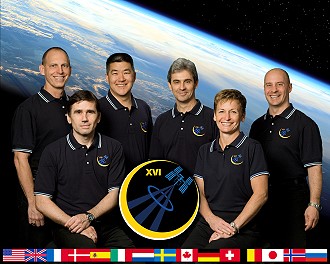 |
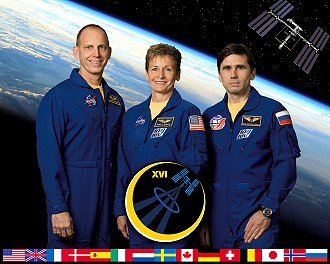 |
alternatives Crewfoto |
|
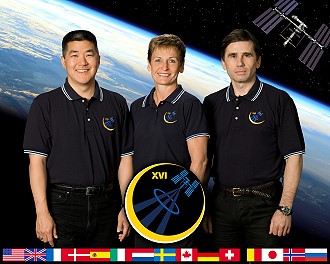 |
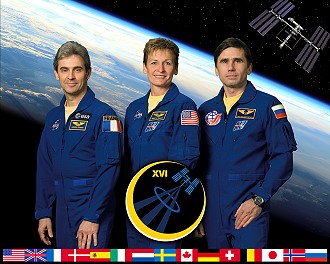 |
alternatives Crewfoto |
alternatives Crewfoto |
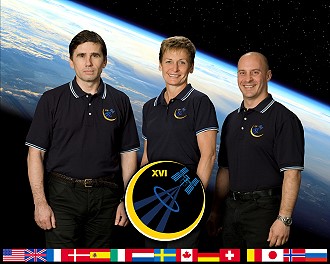 |
|
alternatives Crewfoto |
Besatzung, Start- und Landedaten
| Nr. | Nation | Name | Vorname | Position | Raumschiff (Start) |
Startdatum | Startzeit | Raumschiff (Landung) |
Landedatum | Landezeit | Flugdauer | Erdorbits |
| 1 |  |
Whitson | Peggy Annette | ISS-CDR | Sojus TMA-11 | 10.10.2007 | 13:22:38,927 UTC | Sojus TMA-11 | 19.04.2008 | 08:29:43,8 UTC | 191d 19h 07m 05s | 3028 |
| 2 |  |
Malentschenko | Juri Iwanowitsch | Bordingenieur-1 | Sojus TMA-11 | 10.10.2007 | 13:22:38,927 UTC | Sojus TMA-11 | 19.04.2008 | 08:29:43,8 UTC | 191d 19h 07m 05s | 3028 |
| 3 | |
Anderson | Clayton Conrad | Flugingenieur-2 | STS-117 | 08.06.2007 | 23:38:04,012 UTC | STS-120 | 07.11.2007 | 18:01:16 UTC | 151d 18h 23m 12s | 2389 |
| 4 | |
Tani | Daniel Michio | Flugingenieur-2 | STS-120 | 23.10.2007 | 15:38:18,996 UTC | STS-122 | 20.02.2008 | 14:07:07,58 UTC | 119d 22h 28m 49s | 1888 |
| 5 |  |
Eyharts | Léopold Paul Pierre | Flugingenieur-2 | STS-122 | 07.02.2008 | 19:45:29,988 UTC | STS-123 | 27.03.2008 | 00:39:06 UTC | 48d 04h 53m 36s | 758 |
| 6 | |
Reisman | Garrett Erin "Big G" | Flugingenieur-2 | STS-123 | 11.03.2008 | 06:28:13,984 UTC | STS-124 | 14.06.2008 | 15:15:17,014 UTC | 95d 08h 47m 03s | 1501 |
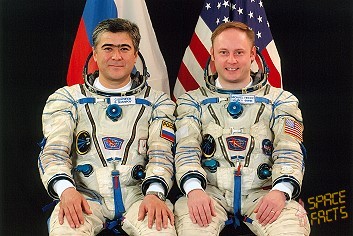
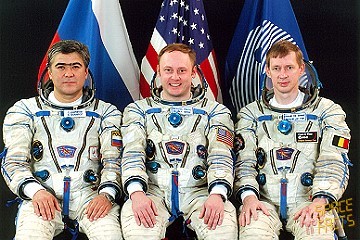
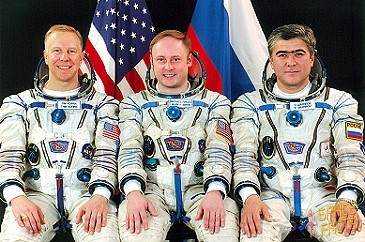
Ersatzmannschaft bzw. Double Crew
| Nr. | Nation | Name | Vorname | Position |
| 1 | |
Fincke | Edward Michael "Mike" | ISS-CDR |
| 2 | |
Scharipow | Salishan Schakirowitsch | Bordingenieur |
| 3 | |
Chamitoff | Gregory Errol | Flugingenieur |
| 4 | |
Magnus | Sandra Hall | Flugingenieurin |
| 5 |  |
De Winne | Frank Luc | Flugingenieur |
| 6 | |
Kopra | Timothy Lennart | Flugingenieur |
 |
 |
 |
 |
 |
Expeditionsverlauf
|
Start vom Kosmodrom Baikonur (Peggy
Whitson und Juri
Malentschenko mit
Sojus
TMA-11). Daniel
Tani
kam mit STS-120 am
25. Oktober 2007 auf der
ISS an und Clayton
Anderson kehrte mit demselben Raumschiff zur Erde
zurück. Léopold
Eyharts kam mit
STS-122 am 09.
Februar 2008 auf der
ISS an. Garrett
Reisman erreichte am 13. März 2008 mit
STS-123 die
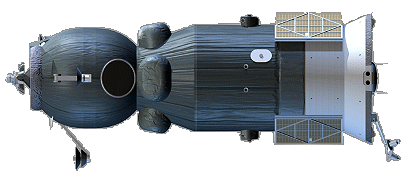
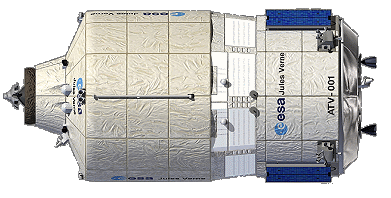
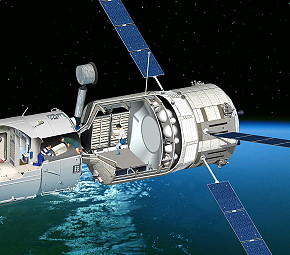
ISS. Offiziell begann die Expedition 16 mit der Abkopplung des russischen Raumschiffs Sojus TMA-10 am 21. Oktober 2007 um 07:14:17 UTC. Gleichzeitig war damit die Expedition 15 beendet. Am 25. Oktober 2007 erreichte STS-120 die Internationale Raumstation. Hauptnutzlast von STS-120 (ISS 10A / Node 2 "Harmony") war der Verbindungsknoten Harmony, der zur Internationalen Raumstation gebracht wurde. Während des ersten Außenbordeinsatzes wurde Harmony provisorisch am Unity-Modul befestigt. Nach dem Flug wurde das Modul von der Raumstationsmannschaft an seinen endgültigen Platz am Destiny-Labor verschoben. Dies war erforderlich, weil die Raumfähre während der Mission selbst am Destiny-Modul angedockt war. Außerdem wurde das Solarmodul P6 an seine Position am Backbordende der Gitterstruktur versetzt. Weiteres wesentliches Missionsziel war der Austausch eines Besatzungsmitgliedes der ISS. Daniel Tani löste Clayton Anderson als Bordingenieur der ISS Expedition 16 ab. Harmony (englisch für Harmonie) ist nach Unity das zweite Verbindungsmodul (früher Node 2 genannt) der Internationalen Raumstation (ISS). Harmony ist 6,71 m lang, hat einen Durchmesser von 4,48 m und eine Startmasse von 14,5 t. Das druckbeaufschlagte Volumen beträgt ca. 75,5 m³. Das Modul verfügt über acht Racks, die zur Versorgung der Station mit Luft, Elektrizität und Wasser dienen, sowie andere lebensnotwendige Systeme enthalten. Harmony kontrolliert und verteilt die Ressourcen der Trägerstruktur und des US-Labors Destiny zu den verbundenen Segmenten; dem europäischen Columbus-Labor, dem Centrifuge Accommodations Module (nach jüngsten Planungen gestrichen), dem Kopplungsadaptern PMA-2, dem japanischen Wissenschaftsmodul Kibo, dem Mehrzweck-Logistikmodul und dem HTV-Transportfahrzeug. Zudem dient es als Ausgangspunkt für das ISS Remote Manipulator System. In der Nähe der Station führte Pamela Melroy ein spektakuläres 360°-Manöver - das Rendezvous Pitch Maneuver (RPM) - durch, wobei sie die Raumfähre innerhalb weniger Minuten um ihre Querachse drehen ließ. Die Besatzung der Raumstation fertigte währenddessen hochauflösende Aufnahmen des Shuttle-Hitzeschildes an. Die Aufnahmen wurden später zur Erde übertragen und von Fachleuten ausgewertet. Mit einer direkt vor der ISS reduzierten Annäherungsgeschwindigkeit auf zuletzt nur noch 3 Zentimeter pro Sekunde flog der Orbiter auf den Ankopplungsstutzen der Internationalen Raumstation zu. Wie die Kommandanten bei allen Kopplungsmissionen steuerte sie den Raumgleiter von der hinteren Konsole im Flugdeck aus, weil sie von dort freie Sicht auf die Raumstation hatte. Ohne Probleme konnte sie ihr Raumschiff an die ISS ankoppeln. Als um 14:39 UTC die Luken geöffnet wurden, begrüßten sich mit ISS-Kommandantin Peggy Whitson und Shuttle-Kommandantin Pamela Melroy erstmals zwei Frauen, die zur gleichen Zeit eine Raumfahrtmission leiteten. Noch am selben Tag löste Missionsspezialist Daniel Tani ISS-Bordingenieur Clayton Anderson ab, indem die Sojus-Sitze ausgetauscht wurden. Daniel Tani baute seinen im Space Shuttle mitgebrachten Schalensitz in das angedockte Raumschiff Sojus TMA-11 ein. Dies geschah nur als Vorsichtsmaßnahme für den Fall einer überhasteten Rückkehr vor Abholung durch das nächste Space Shuttle. Damit gehörte er offiziell zur 16. Besatzung der Raumstation. Im Gegenzug baute Clayton Anderson seinen Schalensitz aus dem Sojus-Raumschiff aus und wurde damit Mannschaftsmitglied von STS-120. Im Mitteldeck der Discovery war ein Liegesitz für ihn eingebaut, um ihm bei der Landung die Anpassung an die Schwerkraft zu erleichtern. Auch wurde das neue SSPTS-Energieübertragungssystem aktiviert, mit dem die Discovery Strom von der ISS bezog. Die erste EVA unternahmen Scott Parazynski und Douglas Wheelock am 26. Oktober 2007 (6h 14m). Dabei bauten Scott Parazynski und Douglas Wheelock zunächst eine S-Band-Antenne ab, die in der Ladebucht der Discovery verstaut und zur Erde gebracht wurde. Anschließend brachten sie am Harmony-Modul einen Ankerpunkt für den ISS-Greifarm an, damit dieser Harmony aus der Ladebucht heben konnte. Während Harmony um 15:38 UTC an seiner vorläufigen Position an Unity befestigt wurde, begaben sich die beiden Astronauten zur P6-Gitterstruktur, um einige Verbindungen zum Z1-Element zu trennen. Am nächsten Tag wurde Harmony zum ersten Mal aktiviert. Außerdem wurde eine weitere Detailinspektion des Hitzeschildes von der Flugleitung verworfen. Die Auswertung der Fotos, die die ISS-Besatzung während der Annäherung der Discovery angefertigt hatte, ergab keine Hinweise auf Beschädigungen. Die zweite EVA durch Scott Parazynski und Daniel Tani erfolgte am 28. Oktober 2007 (6h 33m). Zunächst wurde P6 vom Z1-Element gelöst. Anschließend trennten sich die Astronauten. Scott Parazynski bereitete Harmony für weitere Arbeiten vor, während Daniel Tani sich zum S3/S4-Modul begab, um dort den Solar Alpha Rotary Joint (SARJ), die Ausrichtmechanik der Solarzellenträger, zu überprüfen. Bei dieser waren in den letzten Wochen starke Reibungen und Vibrationen festgestellt worden. Dabei entdeckte Daniel Tani Metallspäne, von denen er eine Probe zur Untersuchung am Boden mitnahm. Danach wurde P6 im freien Raum "geparkt". Am 29. Oktober 2007, dem siebten Missionstag, wurde P6 wie bei einem Staffellauf von Arm zu Arm weitergereicht. Von der Parkposition wurde das Solarmodul zunächst vom ISS-Arm an den Greifarm der Discovery übergeben, damit der Stationsarm zum äußeren Backbordende der Gitterstruktur fahren konnte. Dort wurde P6 wieder vom Canadarm2 übernommen und an seine endgültige Position gebracht. Außerdem wurden die S1-Radiatoren entfaltet. Den gesamten Tag über wurde von der restlichen Besatzung Harmony ausgestattet. Außerdem entschied die Flugleitung, die Mission um einen Tag zu verlängern, um die Probleme am SARJ während der vierten EVA genauer zu begutachten. Die dritte EVA wurde durch Scott Parazynski und Douglas Wheelock am 30. Oktober 2007 (7h 08m) unternommen. Dabei installierten Scott Parazynski und Douglas Wheelock P6 endgültig am Backbordende der ISS-Gitterstruktur. Gesteuert von Stephanie Wilson und Daniel Tani hatte der Greifarm der Station P6 direkt an P5 heran manövriert, damit Douglas Wheelock und Scott Parazynski beide Elemente miteinander verbinden konnten. Danach untersuchte Scott Parazynski das SARJ-Backborddrehgelenk. Die Ingenieure der NASA wollten so Vergleichswerte erhalten, um dem Problem des anderen SARJ auf die Spur zu kommen. Der Astronaut berichtete, dass es makellos aussehe und er keine Verunreinigungen entdecken könne. Nach Beendigung des Ausstiegs stellte Douglas Wheelock ein kleines Loch in der oberen Schicht seines Handschuhs fest. Am rechten Daumen fand er einen zwei x drei Millimeter großen Riss. Die Flugleitung wies Douglas Wheelock an, für den nächsten Außenbordeinsatz einen Ersatzhandschuh zu verwenden. Während des Entfaltens des umgesetzten Sonnensegels wurde der rechte Teil des 4B-Segels beschädigt. Nach ersten Erkenntnissen hatten sich einzelne Platten der Sonnensegel verkantet und quasi an den Führungsdrähten aufgehängt. Dabei wurde mindestens eine Solarzelle eingerissen. Das Sonnensegel auf der anderen Seite, bekannt als 2B, konnte vorher ohne Probleme entfaltet werden. Das Ausfahren wurde daraufhin bei einer Länge von 80 Prozent abgebrochen und diverse Fotos vom Flügel aus verschiedenen Winkeln angefertigt. Nach Auskunft des Leiters des ISS-Programms, hatte sich wahrscheinlich eines der drei Führungsseile in einer Öse verhakt und dadurch den Riss verursacht. Bei dem Ausstieg sollte versucht werden, das Seil zu lösen und die Spannung aus der Struktur zu nehmen. Sollte der Reparaturversuch fehlschlagen, könne man am Folgetag einen weiteren unternehmen. Vorsorglich habe man entschieden, auf den ursprünglich geplanten fünften Außenbordeinsatz zu verzichten und diesen von der ISS-Crew nach der Trennung der Discovery durchführen zu lassen. Aus 20 Meter Draht, Aluminiumstreifen und Schraubverbindungen wurden Stabilisatoren gefertigt, um den beschädigten Teil des Flügels zu entlasten und ein weiteres Einreißen zu verhindern. Daraufhin wurde eine vierte EVA durch Scott Parazynski und Douglas Wheelock am 03. November 2007 (7h 19m) unternommen. Vor Beginn war der Greifarm der ISS mit dem OBSS-Inspektionsarm verbunden worden, um die unzugängliche Stelle überhaupt erreichen zu können. Scott Parazynski befestigte sich mittels einer Fußraste am Ende des OBSS. Mit fünf selbstgefertigten manschettenknopfähnlichen Drahtschlingen klammerte er den Solarflügel, um die beiden Risse zu schließen und zu verhindern, dass diese sich vergrößern. Außerdem löste er die verhedderten Spanndrähte. Um zu vermeiden, dass Scott Parazynski das unter Hochspannung stehende Paneel berührt, verwendete er mit Isolierband abgeklebte Werkzeuge - einen Abstandhalter, der einem Hockeyschläger ähnelte, und eine Zange. Douglas Wheelock assistierte von der Basis des P6-Trägers aus, indem er Stephanie Wilson, die den Greifarm bediente, Anweisungen gab und darauf achtete, dass Scott Parazynski genügend Abstand zum Flügel hielt. Nach der erfolgreichen Reparatur wurde das 4B-Paneel vollständig entfaltet. Am 05. November 2007 koppelte die Discovery-Besatzung mittels Federkraft wieder von der ISS ab. Dadurch wurden Beschädigungen oder Verunreinigungen der Station vermieden. Erst danach wurden die Steuerungstriebwerke aktiviert und die Raumfähre entfernte sich von ihr bis zu einer Distanz von etwa 150 Meter. Von dort aus umflog George Zamka die Orbitalstation eineinhalb Mal, ehe die Triebwerke der Discovery erneut gezündet wurden und der Raumgleiter seine Distanz vergrößerte. Der Orbiter stoppte dann in einer Entfernung von etwa 75 Kilometer. Mit Hilfe des OBSS wurde eine letzte Überprüfung des Hitzeschutzschildes vorgenommen. Im Notfall hätte das Space Shuttle zur Internationalen Raumstation zurückkehren können. Die erste EVA durch Peggy Whitson und Juri Malentschenko erfolgte am 09. November 2007 (6h 55m), bei der letzte Arbeiten zur Inbetriebnahme von Harmony durchgeführt und diverse neue Kabelverbindungen gelegt wurden. Diese Arbeiten sollten ursprünglich während einer fünften EVA von der STS-120 Crew durchgeführt werden. Am 12. November 2007 verlegte die Crew den Pressurized Mating Adapter-2 vom amerikanischen Labor Destiny zum Harmony-Modul. Zwei Tage später versetzte die Crew das Modul Harmony von der vorläufigen Position auf der linken Seite des Unity-Knotens zur endgültigen Position an die Spitze des amerikanischen Labors Destiny. Die zweite EVA wurde durch Peggy Whitson und Daniel Tani am 20. November 2007 (7h 16m) unternommen. Um Harmony endgültig zu einem Bestandteil der Station zu machen, war dieser Außenbordeinsatz erforderlich. Die beiden Raumfahrer verbanden das Modul mit der Stromversorgung und dem Kühlkreislauf. Die dritte EVA durch Peggy Whitson und Daniel Tani erfolgte am 24. November 2007 (7h 04m), um das Harmony-Modul zu vervollständigen. Neben dem Verbinden der Leitungen für Kühlung und Stromversorgung stand eine Inspektion des defekten SARJ-Drehgelenks (Solar Alpha Rotary Joint) auf dem Programm. Bei dem Steuerbord-SARJ war es ab Mitte September 2007 zu Vibrationen während der Nachführung gekommen. Außerdem verbrauchte der Motor mehr Strom. Bereits während eines STS-120-Ausstiegs am 28. Oktober 2007 hatte Daniel Tani das SARJ inspiziert. Dabei entdeckte er Metallspäne, von denen er eine Probe zur Erde mitnehmen ließ. Während der Inspektion bemerkte Daniel Tani erneut den metallischen Abrieb und meinte, dass der Lagerring des SARJ beschädigt sei. Eine vierte EVA führten Peggy Whitson und Daniel Tani am 18. Dezember 2007 (6h 56m) zur nochmaligen Überprüfung des Solar Alpha Rotary Joint (SARJ)-Drehgelenks der Steuerbordseite durch. Der unbemannte russische Frachter Progress M-62 legte am 26. Dezember 2006 um 08:14 UTC an der Internationalen Raumstation an. Er war am 23. Dezember 2007 um 07:12:41 UTC vom Kosmodrom Baikonur gestartet. Das Transport-Raumschiff brachte 2,24 Tonnen Nachschub zur Stammbesatzung. Der Transporter war gefüllt mit Treibstoff, Trinkwasser, Sauerstoff und Ausrüstung sowie Weihnachtsgeschenken von Familienangehörigen. Am 04. Februar 2008 um 10:32 UTC koppelte Progress M-62 wieder ab und wurde 10 Tage lang für Erdbeobachtungen verwendet. Der Frachter wurde kontrolliert zum Absturz gebracht und verglühte am 15. Februar 2008 über dem Pazifischen Ozean. Die fünfte und letzte EVA durch Peggy Whitson und Daniel Tani erfolgte am 30. Januar 2008 (7h 10m) zum Austausch eines defekten Motors an einem der großen Solarflügel der Raumstation. Dieses Bearing Motor Roll Ring Module (BMRRM), was auch "The Broom" genannt wird, treibt die Vorrichtungen an, damit die Steuerbord-Sonnenflügel immer optimal zur Sonne stehen. In diesem Modul waren elektrische Störungen aufgetaucht. Daneben wurde das Steuerbord SARJ inspiziert. Der unbemannte russische Frachter Progress M-63 legte am 07. Februar 2008 um 14:38 UTC an der Internationalen Raumstation an. Er war am 05. Februar 2008 um 13:02 UTC vom Kosmodrom Baikonur gestartet. Das Transport-Raumschiff brachte Lebensmittel, Wasser, Sauerstoff und wissenschaftliche Experimente zur Stammbesatzung. Am 07. April 2008 um 08:49 UTC koppelte Progress M-63 wieder ab. Der Frachter wurde kontrolliert zum Absturz gebracht und verglühte am gleichen Tag über dem Pazifischen Ozean. STS-122 koppelte am 09. Februar 2008 an die Internationale Raumstation an. STS-122 (ISS 1 E Columbus) brachte mit Columbus den Hauptbeitrag der ESA zur Internationalen Raumstation. Mit dieser wurde das europäische Forschungsmodul während eines Weltraumausstiegs verbunden. Weiteres wesentliches Missionsziel war der Austausch eines Besatzungsmitgliedes der ISS. Léopold Eyharts löste Daniel Tani als Bordingenieur der ISS Expedition 16 ab. Außerdem wurde ein Stickstofftank ausgewechselt sowie Ausrüstungsteile und Verbrauchsgüter zur Station transportiert. Das Raumlabor Columbus ist ein Wissenschaftslabor für die Internationale Raumstation (ISS) und der größte Beitrag der Europäischen Weltraumorganisation (ESA) an der ISS. Columbus ist ein zylindrisches Modul, das mit dem Space Shuttle Atlantis zur ISS transportiert und am 11. Februar 2008 an der Steuerbordseite des Verbindungsknotens Harmony montiert wurde. Die Einstiegsluke befindet sich an dem einen Ende des Zylinders, die meisten Bordcomputer am Steuerbordende. Columbus ist kleiner als die anderen Labor-Module der Raumstation (das amerikanische Destiny und das japanische Kibo PM). Das Modul enthält zehn sogenannte International Standard Payload Racks (ISPRs). Vier Racks befinden sich an der Vorderseite, vier an der Rückseite und zwei an der Decke. Drei ISPRs enthalten Lebenserhaltungs- und Kühlungssysteme. Die übrigen drei Racks dienen als Lager für Experimente. Vier weitere Nutzlastmodule können extern angebracht werden. Columbus hat eine Länge von 6,871 m, einen äußeren Durchmesser von 4,477 m (inklusive Mikrometeoriten-Schutzschild von 13 cm Stärke aus mehreren Lagen Aluminium und Kevlar bzw. Nextel (keramisches Textilgewebe)) und einen inneren Durchmesser von 4,215 m. Das Raumvolumen beträgt 75 m³ (davon 25 m³ für die Racks). In der Nähe der Station führte Stephen Frick ein spektakuläres 360°-Manöver - das Rendezvous Pitch Maneuver (RPM) - durch, wobei er die Raumfähre innerhalb weniger Minuten um ihre Querachse drehen ließ. Die Besatzung der Raumstation fertigte währenddessen hochauflösende Aufnahmen des Shuttle-Hitzeschildes an. Die Aufnahmen wurden später zur Erde übertragen und von Fachleuten ausgewertet. Mit einer direkt vor der ISS reduzierten Annäherungsgeschwindigkeit auf zuletzt nur noch 3 Zentimeter pro Sekunde flog der Orbiter auf den Ankopplungsstutzen der Internationalen Raumstation zu. Wie die Kommandanten bei allen Kopplungsmissionen steuerte er den Raumgleiter von der hinteren Konsole im Flugdeck aus, weil er von dort freie Sicht auf die Raumstation hatte. Ohne Probleme konnte er sein Raumschiff an die ISS ankoppeln. Um 17:17 UTC erfolgte die Kopplung an die Raumstation. Es war das erste Mal, dass ein Shuttle am Harmony-Modul anlegte. Nach dem Druckausgleich wurden um 18:40 UTC die Luken zwischen ISS und Raumfähre geöffnet und die Besatzungen begrüßten sich. Danach wurden Ausrüstungsgegenstände für die drei EVAs in die Luftschleuse Quest gebracht. Noch am selben Tag löste Missionsspezialist Léopold Eyharts ISS-Bordingenieur Daniel Tani ab, indem die Sojus-Sitze ausgetauscht wurden. Léopold Eyharts baute seinen im Space Shuttle mitgebrachten Schalensitz in das angedockte Raumschiff Sojus TMA-11 ein. Dies geschah nur als Vorsichtsmaßnahme für den Fall einer überhasteten Rückkehr vor Abholung durch das nächste Space Shuttle. Damit gehörte er offiziell zur 16. Besatzung der Raumstation. Im Gegenzug baute Daniel Tani seinen Schalensitz aus dem Sojus-Raumschiff aus und wurde damit Mannschaftsmitglied von STS-122. Im Mitteldeck der Atlantis war ein Liegesitz für ihn eingebaut, um ihm bei der Landung die Anpassung an die Schwerkraft zu erleichtern. Auch wurde das SSPTS-Energieübertragungssystem aktiviert, mit dem die Atlantis Strom von der ISS bezog. Wenig später wurde bekannt, dass der erste Außenbordeinsatz (EVA) um einen Tag verschoben und von Stanley Love statt Hans Schlegel zusammen mit Rex Walheim durchgeführt wird. Grund hierfür waren auffällige Körpermesswerte bei Hans Schlegel. Gleichzeitig mit der EVA-Verschiebung wurde die Atlantis-Mission um einen Tag verlängert. Nach der Verschiebung des Außenbordeinsatzes wurde der Flugtag (10. Februar 2008) kurzfristig neu geplant. So wurden die Frachttransferarbeiten durchgeführt und eine genauere Inspektion der Hitzeschutzmatte angesetzt. Zudem wurden die Vorbereitungen für den Ausstieg, die am Vortag abgebrochen wurden, fortgesetzt. Am Abend begaben sich Rex Walheim und Stanley Love für einen "Campout" in die Luftschleuse Quest. Die erste EVA durch Rex Walheim und Stanley Love am 11. Februar 2008 (7h 58m) wurde mit 24-stündiger Verspätung durchgeführt. Dabei erfolgte die Vorbereitung des Columbus-Moduls für die Installation am Modul Harmony. Ursprünglich sollten Rex Walheim und Hans Schlegel diese erste EVA durchführen. Hans Schlegel wurde aber krank (er litt wahrscheinlich unter den Folgen der Weltraumkrankheit), sodass für diese EVA Stanley Love einspringen musste. Dazu wurde die sogenannte Power Data Grapple Fixture an Columbus montiert, damit am Ende dieses Weltraumspazierganges das Columbus-Modul mit dem Roboterarm der ISS von der Shuttle-Ladebucht zum Modul Harmony transportiert werden konnte. Darüber hinaus wurden erste Arbeiten zum Entfernen des Stickstoff-Tanks vom P1 Truss durchgeführt. Der Stickstofftank gehört zum Kühlsystem der ISS. Während der Arbeiten am Stickstofftank wurde Columbus mit dem Greifarm aus der Nutzlastbucht gehoben und vor dem Steuerbord-Andockstutzen an Harmony in Position gebracht. Dort wurde das Modul um 21:44 UTC von den beiden Astronauten montiert. Die Arbeiten nahmen jedoch längere Zeit in Anspruch als geplant. Zwischenzeitlich lag man eine volle Stunde hinter dem Zeitplan. Der 12. Februar 2008 diente hauptsächlich dem Innenaufbau von Columbus. Zunächst wurde ein Druckdichtigkeitstest durchgeführt, später, um 14:08 UTC, wurden die Luken zu Columbus geöffnet. Sofort danach wurde das Modul an den Stromkreis der Station angeschlossen, das Licht eingeschaltet und die Ventilation aktiviert. Auch fanden Transferaktivitäten, Vorbereitungen auf den nächsten Ausstieg und mehrere Interviews statt. Die zweite EVA erfolgte durch Rex Walheim und Hans Schlegel am 13. Februar 2008 (6h 45m) zum Entfernen des alten Nitrogen-Tanks und Zwischenlagern auf einem Equipment Cart. Anschließend wurde der neue Tank installiert. Der alte Tank wurde in die Ladebucht von Atlantis verfrachtet, um wieder mit zur Erde zurückgebracht zu werden. Da diese Arbeiten sehr schnell erledigt wurden, konnten zwei weitere Aufgaben durchgeführt werden. So wurden Transporthalterungen an Columbus abgedeckt und der Trümmerschild an Destiny inspiziert. Die dritte und letzte EVA unternahmen Rex Walheim und Stanley Love am 15. Februar 2008 (7h 25m) zur Installation von zwei Payloads (Forschungseinheiten) an der Außenseite des Moduls Columbus: SOLAR, ein Observatorium zur Sonnenbeobachtung und die Europäische Technologie Mess-Einheit (EuTEF) mit 8 verschiedenen Experimenten, die die äußeren Einflüsse im Weltall messen sollen. Daneben wurde der defekte CMG-Steuerkreisel (Control Moment Gyroscope) für die Rückkehr zur Erde in der Nutzlastbucht der Atlantis verstaut. Der CMG war im Oktober 2006 ausgefallen und wurde während STS-118 im August 2007 durch ein Ersatzteil ausgetauscht. Danach untersuchten Rex Walheim und Stanley Love einen defekten Haltegriff an Quest, der vermutlich die Ursache für Beschädigungen an den Astronautenhandschuhen ist. Am 18. Februar 2008 koppelte die Atlantis-Besatzung mittels Federkraft wieder von der ISS ab. Dadurch wurden Beschädigungen oder Verunreinigungen der Station vermieden. Erst danach wurden die Steuerungstriebwerke aktiviert und die Raumfähre entfernte sich von ihr bis zu einer Distanz von etwa 150 Meter. Von dort aus umflog Alan Poindexter die Orbitalstation eineinhalb Mal, ehe die Triebwerke der Atlantis erneut gezündet wurden und der Raumgleiter seine Distanz vergrößerte. Der Orbiter stoppte dann in einer Entfernung von etwa 75 Kilometer. Mit Hilfe des OBSS wurde eine letzte Überprüfung des Hitzeschutzschildes vorgenommen. Im Notfall hätte das Space Shuttle zur Internationalen Raumstation zurückkehren können. Mit STS-123 koppelte ein drittes Space Shuttle während der Expedition 16 an die Internationale Raumstation an. STS-123 (ISS-1J/A JEM ELM PS / SLP-D1) brachte das Experiment-Logistikmodul JEM ELM PS (Experiment Logistics Module - Pressurized Section), welches Teil des japanischen Kibo-Moduls ist, sowie die kanadische Roboterhand Dextre zur Internationalen Raumstation (ISS). Dextre kann am ISS-Roboterarm befestigt werden und dessen Aufgabenbereich erweitern. Weiteres wesentliches Missionsziel war der Austausch eines Besatzungsmitgliedes der ISS. Garrett Reisman löste Léopold Eyharts als Bordingenieur der ISS Expedition 16 ab. Kibo (japanisch für Hoffnung, ursprünglich Japanese Experiment Module JEM) ist ein Modul der Internationalen Raumstation (ISS) und der Beitrag der japanischen Raumfahrtbehörde JAXA zur ISS. Kibo ist das größte Einzelmodul der ISS sowie das erste bemannte Weltraumprojekt Japans. Es kann bis zu vier Raumfahrer aufnehmen und bietet die Möglichkeit, an 23 Racks Experimente vorzunehmen, wovon in der ersten Nutzungsphase 14 geplant sind. Die Schwerpunkte der Forschung sollen im Bereich der Weltraummedizin, Biologie und der Materialforschung liegen. Die gesamte Einheit besteht aus fünf Teilen: Dem unter Druck stehenden Pressurized Module (JEM PM). Es ist das zentrale Modul, in dem die Astronauten Experimente durchführen. Seine Länge beträgt 11,2 m bei einem Durchmesser von 4,4 m und einer Masse von 15,9 t. An der Stirnseite des zylindrischen Moduls befindet sich eine kleine Luftschleuse, durch welche z. B. Experimente von der Exposed Facility (JEM EF) geborgen werden können. Dem ebenfalls unter Druck stehenden so genannten Experiment Logistics Module - Pressurized Section (JEM ELM PS). Dieses Modul wird hauptsächlich als Stauraum genutzt. Es hätte vom JEM PM abgekoppelt und mit dem Space Shuttle zur Erde zurückgebracht und mit neuem Material hinaufgeschickt werden können. JEM ELM PS ist 3,9 m lang und hat einen Durchmesser von 4,4 m. Die Leermasse beträgt 4,2 t. Eine Plattform für Experimente. Die Exposed Facility (JEM EF) ist 5,60 Meter lang, 5 Meter breit, 4 Meter hoch und wird außerhalb des JEM PM befestigt. Sie ist 5,1 m breit, 6,0 m lang und besitzt eine Masse von 4 t. Rings um die Plattform können einzelne Experimentcontainer angebracht werden. Das Außenlager - Experiment Logistics Module - Exposed Section (JEM ELM-ES) wird außerhalb des JEM EF befestigt. Es ist 4,9 m breit und 4,2 m lang. Die drucklose Ladeplatte des HTV kann zu JEM ELM-ES mit den Roboterarmen geleert werden. Das JEM ELM-ES wurde nach seinem Ersteinsatz zum Transport von Experimenten bei STS-127 vom Shuttle wieder mit zur Erde zurückgenommen und ist kein dauerhafter Bestandteil im Orbit. Dem Roboterarm des Kibo-Moduls. Der JEM RMS (Japanese Experiment Module Remote Manipulator System) besteht aus einem Hauptarm (Main Arm), der 9,9 m lang ist und Massen bis zu sieben Tonnen bewegen kann, sowie einem kleineren Arm (Small Fine Arm), der bei Bedarf angedockt wird. Dieser kleine Zusatzarm kann sehr präzise Arbeiten durchführen. Als erstes Bauteil wurde das Experiment Logistics Module (JEM ELM PS) am 11. März 2008 gestartet und im Rahmen der Shuttle-Mission STS-123 an die ISS angedockt. JEM ELM PS wurde provisorisch an der Oberseite (Zenit) des Harmony-Moduls befestigt. Die Kibo-Hauptbaugruppe Pressurized Module (JEM PM) und der Roboterarm (JEM RMS) wurden am 31. Mai 2008 mit der Mission STS-124 zur ISS gebracht und dort am 03. Juni 2008 angedockt. Der Special Purpose Dexterous Manipulator (SPDM, dt. geschickte Arbeitsvorrichtung für Sonderzwecke) ist als Teil des Mobile Servicing Systems ein robotisches Armsystem der Internationalen Raumstation ISS. Obwohl Dextre am Ende des Canadarm2 installiert ist, gehen seine Funktionen und Aufgaben weit über ein reines Greifsystem hinaus. Die komplexe Einrichtung verfügt unter anderem über zwei hochbewegliche Roboterarme zur Durchführung präziser Arbeiten im All. Beide Arme verfügen über je sieben Gelenke, die ihnen eine deutlich höhere Bewegungsfreiheit als allen bisher eingesetzten Systemen verleihen. An ihren Enden befindet sich eine Auswahl an verschiedenen Werkzeugen und automatischen Aufnahmen für weitere Geräte. Mit Hilfe dieses Orbital Replacement Unit/Tool Changeout Mechanism (OTCM) können Greifbacken, ausfahrbare Inbusschlüssel und monochrome Kameras eingesetzt werden. Zur Überwachung und Unterstützung der Arbeiten der Roboterarme sind im Sockel von Dextre verstellbare Scheinwerfer und Farbkameras sowie ein Werkzeugpodest und ein Werkzeughalter montiert. Durch den Einsatz von Dextre an der ISS wurden die Aufgaben und Einsatzmöglichkeiten des Mobile Servicing Systems erheblich erweitert, da durch das Gesamtsystem wesentlich präzisere Aufgaben wahrgenommen werden können. Der Schwerpunkt dieser Aufgaben liegt in der Überwachung und Bedienung von Experimenten im freien Weltraum, die außen an der ISS, insbesondere auf den External Stowage Platformen und dem Experimentträger des japanischen Raumlabors Kibo (JEM ELM-ES) angebracht sind. Darüber hinaus dient das System zur Überwachung und Wartung der Station und unterstützt Raumfahrer während Außenbordarbeiten. Zudem verlängert Dextre die Reichweite des Canadarm2 und kann bei Bedarf auch abgelegt und wieder aufgenommen werden. In der Nähe der Station führte Dominic Gorie ein spektakuläres 360°-Manöver - das Rendezvous Pitch Maneuver (RPM) - durch, wobei er die Raumfähre innerhalb weniger Minuten um ihre Querachse drehen ließ. Die Besatzung der Raumstation fertigte währenddessen hochauflösende Aufnahmen des Shuttle-Hitzeschildes an. Die Aufnahmen wurden später zur Erde übertragen und von Fachleuten ausgewertet. Mit einer direkt vor der ISS reduzierten Annäherungsgeschwindigkeit auf zuletzt nur noch 3 Zentimeter pro Sekunde flog der Orbiter auf den Ankopplungsstutzen der Internationalen Raumstation zu. Wie die Kommandanten bei allen Kopplungsmissionen steuerte er den Raumgleiter von der hinteren Konsole im Flugdeck aus, weil er von dort freie Sicht auf die Raumstation hatte. Ohne Probleme konnte er sein Raumschiff an die ISS ankoppeln. Noch am selben Tag löste Missionsspezialist Garrett Reisman ISS-Bordingenieur Léopold Eyharts ab, indem die Sojus-Sitze ausgetauscht wurden. Garrett Reisman baute seinen im Space Shuttle mitgebrachten Schalensitz in das angedockte Raumschiff Sojus TMA-11 ein. Dies geschah nur als Vorsichtsmaßnahme für den Fall einer überhasteten Rückkehr vor Abholung durch das nächste Space Shuttle. Damit gehörte er offiziell zur 16. Besatzung der Raumstation. Im Gegenzug baute Léopold Eyharts seinen Schalensitz aus dem Sojus-Raumschiff aus und wurde damit Mannschaftsmitglied von STS-123. Im Mitteldeck der Endeavour war ein Liegesitz für ihn eingebaut, um ihm bei der Landung die Anpassung an die Schwerkraft zu erleichtern. Auch wurde das SSPTS-Energieübertragungssystem aktiviert, mit dem die Endeavour Strom von der ISS bezog. Die erste EVA unternahmen Richard Linnehan und Garrett Reisman am 14. März 2008 (7h 01m). Zunächst begaben sich Richard Linnehan und Garrett Reisman in die Ladebucht des Shuttles und lösten die Transporthalterungen an JEM ELM PS. Danach wurde JEM ELM PS aus der Ladebucht gehoben und an Harmony manövriert. Um 07:06 UTC wurde das Modul an Harmony angekoppelt. Damit haben erstmals alle an der Internationalen Raumstation beteiligten Länder zumindest einen Teil ihrer Module im All. Gleichzeitig begannen die beiden Astronauten damit, Dextre zusammenzusetzen. Des Weiteren wurde das Videosystem der Station erweitert. Die NASA teilte danach mit, dass alle Versuche, Dextre über das Anschlusssystem am mobilen Transporter mit Strom zu versorgen, fehlgeschlagen seien. Strom ist für Dextre "überlebenswichtig" um Heizelemente zu betreiben. Techniker der CSA, dem Hersteller von Dextre, versuchten mit einem Softwareupdate den Fehler zu beheben, was nicht gelang. Daher entschied man, Dextre vom Canadarm2 greifen zu lassen und über diesen mit Strom zu versorgen. Am fünften Flugtag (15. März 2008) wurde JEM ELM PS in Betrieb genommen. Zusammen mit ISS-Kommandantin Peggy Whitson öffnete Takao Doi um 01:23 UTC die Luken zu dem japanischen Modul. Danach wurden Versorgungsleitungen zwischen Harmony und JEM ELM PS verlegt, das Licht eingeschaltet und die Ventilatoren aktiviert. Später gab die NASA bekannt, dass die Probleme mit der Stromversorgung von Dextre auf einen Konstruktionsfehler zurückgehen. Das weitere Vorgehen wurde nicht bekannt gegeben. Die zweite EVA erfolgte durch Richard Linnehan und Michael Foreman am 16. März 2008 (7h 09m). Sie setzten den Zusammenbau der Roboterhand Dextre fort. Die Astronauten hatten Probleme, einen Arm von Dextre von der Spacelab-Palette zu lösen, da ein Befestigungsbolzen sehr fest saß. Erst nach über einer halben Stunde konnten sie den Arm lösen und an Dextre anbringen. Danach entfernten sie einige Wärmeschutzabdeckungen. Die dritte EVA wurde durch Richard Linnehan und Robert Behnken am 17. März 2008 (6h 53m) ausgeführt. Dabei wurde die Montage von Dextre beendet. Die Astronauten Richard Linnehan und Robert Behnken installierten an der Roboterhand eine Ersatzteilplattform, eine Werkzeughalterung sowie eine Videokamera. Außerdem versuchten sie ein MISSE-Experiment am Columbus-Modul anzubringen, was nicht gelang. Am neunten Flugtag, dem 18. März 2008, wurde Dextre getestet und umgesetzt. Mit dem ISS-Roboterarm wurde Dextre von seiner Montageposition zum Labor Destiny transportiert. Dort wurde es auf einer Halterung befestigt, an der normalerweise der Canadarm2 befestigt ist. Über diese Halterung ist die Stromversorgung von Dextre sichergestellt. Später wurden weitere Funktionstests durchgeführt. Anschließend wurde die Spacelab-Palette, auf der die Roboterhand in den Orbit gebracht wurde, zurück in die Ladebucht der Endeavour gehievt. Die vierte EVA durch Robert Behnken und Michael Foreman fand am 20. März 2008 (6h 24m) statt. Dabei wurde der Shuttle Tile Ablator-54 (kurz: STA-54) getestet. Dieser Ablator dient zur Reparatur eventuell beschädigter Hitzeschutzkacheln. Das dazugehörende Werkzeug, den sogenannten Tile Repair Ablator Dispenser, kurz T-RAD, sieht einem Kalfatergewehr ähnlich. Einige Test-Kacheln wurden mitgebracht, die bereits vorgebohrt waren. Mit dem Material aus dem STA-54 wurden nun mittels T-RAD verschiedene Materialien in die Bohrlöcher gespritzt. Die so reparierten Kacheln wurden mit zur Erde zurückgenommen, um sie intensiven Test zu unterziehen. Am 21. März 2008 wurde der Hitzeschild des Orbiters mit Hilfe des OBSS-Inspektionsarms überprüft. Diese mehrstündige Prozedur wird üblicherweise nach der Trennung von der Raumstation durchgeführt. Diesmal musste der Scan der Hitzeschutzkacheln vorgezogen werden, weil der OBSS auf der ISS zurückgelassen wird. Dies ist nötig, da das Kibo-Labormodul, das während des nächsten Fluges angeliefert wird, zu groß ist, um einen OBSS im Shuttle mitzuführen. Die fünfte und letzte EVA unternahmen erneut Robert Behnken und Michael Foreman am 22. März 2008 (6h 02m) zum Umsetzen und "Zwischenparken" des Orbiter Boom Sensor Systems, der 15,2 Meter langen Verlängerung des Shuttle-Greifarms, zum rückwärtigen Teil der ISS. Dies war notwendig, weil die Folgemission STS-124 nicht das große japanische Modul (Kibo) und das OBSS zur ISS bringen kann, anderseits, das OBSS derzeit nicht endgültig installiert werden konnte. Außerdem wurden Arbeiten am Steuerbord-SARJ vorgenommen. Damit soll sichergestellt werden, dass sich das SARJ besser nach der Sonne ausrichten kann. Seit Monaten hatte das SARJ diesbezüglich sein Limit erreicht, und es waren auch einige Metallsplitter gefunden wurden. Zu den Arbeiten gehörten deshalb auch eine genaue Inspektion des SARJ und die Suche nach weiteren schadhaften Teilen. Außerdem installierte Robert Behnken das MISSE-Experiment am europäischen Columbus-Modul, was während des dritten Ausstiegs nicht gelungen war. Am 27. März 2008 koppelte die Endeavour-Besatzung mittels Federkraft wieder von der ISS ab. Dadurch wurden Beschädigungen oder Verunreinigungen der Station vermieden. Erst danach wurden die Steuerungstriebwerke aktiviert und die Raumfähre entfernte sich von ihr bis zu einer Distanz von etwa 150 Meter. Von dort aus umflog Gregory Johnson die Orbitalstation eineinhalb Mal, ehe die Triebwerke der Endeavour erneut gezündet wurden und der Raumgleiter seine Distanz vergrößerte. Das erste von der europäischen Raumfahrtorganisation ESA gebaute Automated Transfer Vehicle (ATV-1) koppelte am 03. April 2008 um 14:45 UTC an der Internationalen Raumstation an. Sein Start war am 09. März 2008 um 04:03 UTC vom Raumfahrtzentrum Kourou in Französisch Guayana mit einer Ariane-5-Rakete erfolgt. Es trug den Namen Jules Verne zur Erinnerung an den französischen Science-Fiction-Schriftsteller. Erst nach einer eingehenden Überprüfung aller Systeme sowie mehrerer Rendezvous-Manöver durfte "Jules Verne" das Andockmanöver einleiten. Es folgte das erste vollautomatische Dockingmanöver im All, das nicht von einem russischen Raumfahrzeug durchgeführt wurde. Ende April 2008 wurde "Jules Verne" erstmals genutzt, um die Umlaufbahn der ISS anzuheben. Mit einem fünfminütigen Testlauf der ATV-Triebwerke am 21. April 2008 wurde die mittlere Bahnhöhe um 1,7 km erhöht. Vier Tage später hob das Transportraumschiff die Station durch eine Zündung von zwei Triebwerken mit einer Brenndauer von 740 Sekunden um weitere 4,7 km an. Der Gesamtschub von 1000 Newton beschleunigte die Station mit ihrer Masse von 280 Tonnen um 2,65 m/s. Am 18. Juni 2008 fand der erste automatische Treibstofftransfer von rund 280 kg Unsymmetrisches Dimethylhydrazin (Treibstoff) und 530 kg Stickstofftetroxid vom ATV in die Treibstofftanks der ISS statt. Bei dem dritten Reboost-Manöver des ATV wurde am 20. Juni 2008 die Bahn der ISS um 7 km angehoben. Mit dem 20 Minuten dauernden Schub von zwei Triebwerken wurden die 300 Tonnen Masse der ISS unter Aufwendung von 400 Kilogramm Treibstoff um 4,05 m/s beschleunigt. Nach dem Reboost am 23. Juli 2008 wurde die Station beim letzten Reboost durch Jules Verne am 13. August 2008 um 3,3 m/s beschleunigt und damit innerhalb von 16 min 35 sek um 5,8 km auf eine mittlere Bahnhöhe von 356 km angehoben. Am 05. September 2008 dockte "Jules Verne" um 21:32 UTC wieder von der Raumstation ab. An Bord befanden sich Abfall und sonstige nicht länger benötigte Ausrüstungsgegenstände. Sein Wiedereintritt in die Erdatmosphäre fand am 29. September 2008 (Beginn Deorbitburn: 12:58 UTC) in 120 Kilometer Höhe statt und wurde in der "ATV Re-entry observation campaign" von zwei Beobachterflugzeugen und von Bord der ISS beobachtet und dokumentiert. In einer Höhe von 75 km zerbrach der Frachter; etwa 12 Minuten später fielen Überreste in den südlichen Pazifik. Am 10. April 2008 brachte das russische Raumschiff Sojus TMA-12 zwei neue Crewmitglieder der Expedition 17 zur ISS. Gegen Ende der Mission übertrug die amerikanische Astronautin Peggy Whitson das Kommando über die Station an den russischen Kosmonauten Sergej Wolkow. Mit der Abkopplung von Sojus TMA-11 am 19. April 2008 um 05:06:27 UTC endete offiziell die Expedition 16 und die ISS Expedition 17 begann. Während ihres Aufenthaltes an Bord der ISS führte die Crew der Expedition 16 folgende wissenschaftliche Experimente durch (vollständige Auflistung): Akvarium (Study of the Stability of a Model of Self-Contained (Closed) Ecological System and Elements, Included in the Model in Microgravity), ALTCRISS (Alteino Long Term Cosmic Ray Measurements on board the International Space Station), ANITA (Analyzing Interferometer for Ambient Air), Antigen (Optimization of Heterological Expresssion in Yeasts-True Yeasts in Microgravity for Example Synthesis of the HBS Antigen of the Virus Hepatitis B), ARISS (Amateur Radio on the International Space Station), Aryl (Influencing Factors of Space Flight on Expression of Strains of Interleukin), Astrovakcina (Cultivation in Weightless of E.coli- Producer of the Caf1 Protein), AT-Space (Arabidopsis Thaliana in Space: Perception of Gravity, Signal Transduction and Graviresponse in Higher Plants), Bar (Choice and Development of Methods and Instruments to Detect the Location of a Loss of Pressurization of a Module on ISS), BCAT-3-4-CP (Binary Colloidal Alloy Test - 3 and 4: Critical Point), BCAT-4-Poly (Binodal Colloidal Aggregation Test - 4: Polydispersion), BIMS (Assessment of the Efficiency of the Use of Telemedicine Technologies On-Board ISS), Biodegradation (Initial stage of Biodegradation and Biodeterioration in Space), Bioekologia (Generation of High Efficiency of Microorganisms for the Production of Preparations of Biodegradable Oil, Organophosphorus Material, Measures for the Protection of Plants, as well as, of Exopolysaddharides Uses in the Petroleum Industry), Bioemulsia (Research and Development of a Self-Contained Reactor of the Shielded Type For Production of Biomass of Microorganisms and Biologically Active Substances), Biokin-4 (Microbial Growth Kinetics Under Conditions of Microgravity), Biorisk (Influence of Factors of the Space Environment on the Condition of the System of Microorganisms-Hosts Relating to the Problem of Environmental Safety of Flight Techniques and Planetary Quarantine), Braslet (Validation of On-Orbit Methodology for the Assessment of Cardiac Function and Changes in the Circulating Volume Using Ultrasound and Braslet-M Occlusion Cuffs, SDTO 17011 U/R), BTN-M1 (Examination of the Flow of High Speed and Thermal Neutrons), Caf (Crystalization of th Protein Caf1M and its Combination with the Terminal Peptide Caf1 as the Elements for the Development of a New Generation of Antimicrobial Medicinal Preparations and Components of Vaccines from Yeasts), Cardio-ODNT (Dynamics of the Main Factors of Cardiac Function, of Central and Regional Circulation in Rest and During the Influence of Lower Body Negative Pressure), CCISS (Cardiovascular and Cerebrovascular Control on Return from ISS), Cell Wall (Reverse Genetic Approach to Exploring Genes Responsible for Cell Wall Dynamics in Supporting Tissues of Arabidopsis Under Microgravity Conditions), CEO (Crew Earth Observations), CEO-IPY (Crew Earth Observations - International Polar Year), CFE (Capillary Flow Experiment), Chromosome-2 (Cytogenetic Effects of Ionizing Radiation in Peripheral Lymphocytes of ISS Crewmembers), CIS (Effect of Microgravity and Radiation on Eukaryotic, Endothelial and Osteoblasts), Conjugation (Development of Methods for Designing New Recombinants Producing Strains of Bacteria in Space Flight), CSI-02 (Commercial Generic Bioprocessing Apparatus Science Insert - 02: Silicate Garden, Seed Germination, Plant Cell Culture and Yeast), CSLM-2 (Coarsening in Solid Liquid Mixtures-2), Diatomeya (Stability of Geographical Position and Configuration of Borders of Bioproductive Water Zones of the World Oceans, Observations by Orbition Station Crews), DOSTEL (DOSimetry TELescopes), Dykhanie (Regulation and Biomechanics of Respiration in Space Flight), EarthKAM (Earth Knowledge Acquired by Middle School Students), EDOS (Early Detection of Osteoporosis in Space), Ekon (Experimental Survey on Evaluating the Possibility of Using th Russian Segment of ISS for Environmental Inspection of Work Areas of Various Facilities (Features)), ELITE-S2 (ELaboratore Immagini TElevisive - Space 2), Environmental Monitoring (Environmental Monitoring of the International Space Station), EPO-Demos (Education Payload Operation - Demonstrations), Epstein-Barr (Space Flight Induced Reactivation of Latent Epstein-Barr Virus), ETD (Eye Tracking Device, FIS (Sensory (Taste) Evaluation of Malaysian Food on Earth and in Space), Glidoproteid (Extraction and Investigation of surface glycoproteins E1-E2 Alphavirises on Earth and in Space), HPA (Hand Posture Analyzer), Identifikatsia (Identification of the Sources of Dynamic Loads on ISS), Immuno (Neuroendocrine and Immune Responses in Humans During and After Long Term Stay at ISS), Inflight Education Downlinks (International Space Station Inflight Education Downlinks), InSPACE-2 (Investigating the Structure of Paramagnetic Aggregates from Colloidal Emulsions - 2), Integrated Immune (Validation of Procedures for Monitoring Crewmember Immune Function), Integrated Immune-SDBI (Validation of Procedures for Monitoring Crewmember Immune Function - Short Duration Biological Investigation), Interleukin-K (Production of Hight Quality Crystals of Interleukin -1Alpha, -1Beta and Receptor of Antagonist of Interleukin-1), ISS Acoustics (International Space Station Acoustic Measurement Program), Izgib (Effect of Performance of Flight and Science Activities on the Function of On-Orbit Systems on ISS (Mathematical Model)), JAXA-GCF (Japan Aerospace and Exploration Agency - Granada Crystallization Facility High Quality Protein Crystallization Project), Journals (Behavioral Issues Associated with isolation and Confinement: Review and Analysis of Astronaut Journals), Kristallizator (Crystalization of Biological Macromolecules and Generation of Biocrystal Film in the Conditions of Microgravity), Lactolen (Influence of Factors of Space Flight on Lactolen Producer Strains), LOCAD-PTS (Lab-on-a-Chip Application Development-Portable Test System), MAUI (Maui Analysis of Upper Atmospheric Injections), MDRV (Microbial Drug Resistance and Virulence), Midodrine-Long (Test of Midodrine as a Countermeasure Against Post-flight Orthostatic Hypotension - Long), Midodrine-SDBI (Test of Midodrine as a Countermeasure Against Post-flight Orthostatic Hypotension - Short Duration Biological Investigation), Mimetik-K (Crystalization of antigen Binding Fragment of Monoclonalical Antibody to Glucosaminilmuramildepeptide), MIS (Microbes In Space: Effects of Microgravity and Space Radiation on Growth Kinetics and Mutation Processes in E. Cloacae and Acinetobacer Baumanii Cells), MISSE-6A and 6B (Materials International Space Station Experiment - 6A and 6B), MOP (Motion Perception: Vestibular Adaptation to G-Transitions), Multigen (Molecular and Plant Physiological Analyses of the Microgravity Effects on Multigeneration Studies of Arabidopsis thaliana), Muscle (Study of Low Back Pain in Crewmembers During Space Flight), Neocytolysis (Effects of Microgravity on the Haemopoietic System: A Study on Neocytolysis), NLP-Vaccine (National Laboratory Pathfinder - Vaccine), NLP-Vaccine-Salmonella (National Laboratory Pathfinder - Vaccine - Salmonella), Nutrition (Nutritional Status Assessment), OChB (Influence of Factors of Space Flight on Superoxide Strain Producer), ORZS (The Optimization of Root Zone Substrates (ORZS) for Reduced Gravity Experiments Program), Particle_Flux (Particle Flux Demonstrator), PCS (Protein Crystallization in Space: Characterization of the Effect of Microgravity on the Crystal Growth Behavior of Lipases), PFE-OUM (Periodic Fitness Evaluation with Oxygen Uptake Measurement), Pilot (Individual Characteristics of Psychophysiological Regulatory Status and Reliaility of Professional Activities of Cosmonauts in Long Duration Space Flight), PKinase (Mechanisms and Functional Consequences of Protein Kinase C Isoform Translocation in Monocytes Exposed to Microgravity), Plasma-MKS (Plasma-ISS: Examination of Plasmic Environments on the External Surface of ISS Through the Characterization of Optical Radiance), Plasma-Progress (Observation of the Reflective Characteristics of the Spacecraft Plasma Environment from On-Board Thruster Activity Using Ground-Based Instruments), Plasma Crystal (Dusty and Liquid Plasma Crystals in Conditions of Microgravity), Plasma Interaction Model (Analysis of International Space Station Plasma Interaction), PMZ (Bioavailability and Performance Effects of Promethazine During Space Flight), Pneumocard (Examination of the Influencing Factors of Space Flight on Autonomic Regulation of Blood Circulation, Respiration and Cardiac Contractile Function in Long Duration Space Flight), Profilaktika (Mechanisms of Action and Influence, and Effectiveness of Various Methods of Phrophylaxis Directed Toward Prevention of Disturbances of the Human Locomotion System in Weightlessness), Prognoz (Development of a Method of Operational Prediction of Work Load on Crew Piloting Objectives), RAMBO (Ram Burn Observations), Rastenia (Growth and Development of Higher Plants through Multiple Generations), Relaksatia (Processes of Relaxation in the Ultraviolet Band Spectrum by High Velocity Interaction of Exhaust Products on ISS), Repository (National Aeronautics and Space Administration Biological Specimen Repository), Resist Wall (Role of Microtubule-Membrane-Cell Wall Continuum in Gravity Resistance in Plants), RIGEX (Rigidizable Inflatable Get-Away-Special Experiment), ROKVISS (Robotic Component Verification on the ISS: Verification of Lightweight Robotic Hinge Elements in Space), Sleep-Long (Sleep-Wake Actigraphy and Light Exposure During Spaceflight-Long), Sleep-Short (Sleep-Wake Actigraphy and Light Exposure During Spaceflight-Short), Sonokard (Physiological Functions (cardio-respiratory) of Humans Using Contactless Methods During Sleep in Long Duration Space Flight), SPHERES (Synchronized Position Hold, Engage, Reorient, Experimental Satellites), Spin (Validation of Centrifugation as a Countermeasure for Otolith Deconditioning During Spaceflight), Spore (Study of Space Environment Effects on PY17 Bacterial Spores onboard Space Shuttle), Sreda (Examination of the Features of IS as an Environment for Conducting Research), Stability (Stability of Pharmacotherapeutic and Nutritional Compounds), SVS (CBC: Self-Propogating Hyperthermal Synthesis in Space), SWAB (Surface, Water and Air Biocharacterization - A Comprehensive Characterization of Microorganisms and Allergens in Spacecraft Environment), Ten'-Mayak (Study of Transmit/Receive Radio Signal Conditions in the Russian Segment of ISS Using the World-Wide Ham Radio Network), Top (Educational Demonstration of Top Spinning Motions in Space), Uragan (Hurricane: Experimental Development of Groundbased System of Monitoring and Predicting the Progression of a Naturally Occurring Technogenic Catastrophe), Vaktsina-K (Structural Study of Protein Candidats in a Vaccine for AIDS on Earth and in Space), Vektor-T (Study of a High Precision System for Prediction Motion of ISS), Zag (Ambiguous Tilt and Translation Motion Cues After Space Flight), Zhenshen-2 (Study of the Development of Cell Cultures to Evaluate the Possibily of Increasing Biological Activity). |
EVA-Daten
| Name | Beginn | Ende | Dauer | Mission | Schleuse | Anzug | Streifen | |
| EVA | Parazynski, Scott | 26.10.2007, 10:02 UTC | 26.10.2007, 16:16 UTC | 6h 14m | STS-120 | ISS - Quest | EMU Nr. 3004 | rot |
| EVA | Wheelock, Douglas | 26.10.2007, 10:02 UTC | 26.10.2007, 16:16 UTC | 6h 14m | STS-120 | ISS - Quest | EMU Nr. 3003 | ohne |
| EVA | Tani, Daniel | 28.10.2007, 09:32 UTC | 28.10.2007, 16:05 UTC | 6h 33m | STS-120 | ISS - Quest | EMU Nr. 3018 | rot-weiß linear |
| EVA | Parazynski, Scott | 28.10.2007, 09:32 UTC | 28.10.2007, 16:05 UTC | 6h 33m | STS-120 | ISS - Quest | EMU Nr. 3004 | rot |
| EVA | Wheelock, Douglas | 30.10.2007, 08:45 UTC | 30.10.2007, 15:53 UTC | 7h 08m | STS-120 | ISS - Quest | EMU Nr. 3003 | ohne |
| EVA | Parazynski, Scott | 30.10.2007, 08:45 UTC | 30.10.2007, 15:53 UTC | 7h 08m | STS-120 | ISS - Quest | EMU Nr. 3004 | rot |
| EVA | Parazynski, Scott | 03.11.2007, 10:03 UTC | 03.11.2007, 17:22 UTC | 7h 19m | STS-120 | ISS - Quest | EMU Nr. 3006 | rot |
| EVA | Wheelock, Douglas | 03.11.2007, 10:03 UTC | 03.11.2007, 17:22 UTC | 7h 19m | STS-120 | ISS - Quest | EMU Nr. 3003 | ohne |
| Name | Beginn | Ende | Dauer | Mission | Schleuse | Anzug | Streifen | |
| EVA | Whitson, Peggy | 09.11.2007, 09:54 UTC | 09.11.2007, 16:49 UTC | 6h 55m | ISS-16 | ISS - Quest | EMU Nr. 3018 | rot |
| EVA | Malentschenko, Juri | 09.11.2007, 09:54 UTC | 09.11.2007, 16:49 UTC | 6h 55m | ISS-16 | ISS - Quest | EMU Nr. 3006 | ohne |
| EVA | Whitson, Peggy | 20.11.2007, 10:10 UTC | 20.11.2007, 17:26 UTC | 7h 16m | ISS-16 | ISS - Quest | EMU Nr. 3018 | rot |
| EVA | Tani, Daniel | 20.11.2007, 10:10 UTC | 20.11.2007, 17:26 UTC | 7h 16m | ISS-16 | ISS - Quest | EMU Nr. 3006 | ohne |
| EVA | Whitson, Peggy | 24.11.2007, 09:50 UTC | 24.11.2007, 16:54 UTC | 7h 04m | ISS-16 | ISS - Quest | EMU Nr. 3018 | rot |
| EVA | Tani, Daniel | 24.11.2007, 09:50 UTC | 24.11.2007, 16:54 UTC | 7h 04m | ISS-16 | ISS - Quest | EMU Nr. 3006 | ohne |
| EVA | Tani, Daniel | 18.12.2007, 09:50 UTC | 18.12.2007, 16:46 UTC | 6h 24m | ISS-16 | ISS - Quest | EMU Nr. 3006 | ohne |
| EVA | Whitson, Peggy | 18.12.2007, 09:50 UTC | 18.12.2007, 16:46 UTC | 6h 24m | ISS-16 | ISS - Quest | EMU Nr. 3018 | rot |
| EVA | Whitson, Peggy | 30.01.2008, 09:56 UTC | 30.01.2008, 17:06 UTC | 7h 10m | ISS-16 | ISS - Quest | EMU Nr. 3018 | rot |
| EVA | Tani, Daniel | 30.01.2008, 09:56 UTC | 30.01.2008, 17:06 UTC | 7h 10m | ISS-16 | ISS - Quest | EMU Nr. 3006 | ohne |
| Name | Beginn | Ende | Dauer | Mission | Schleuse | Anzug | Streifen | |
| EVA | Walheim, Rex | 11.02.2008, 14:13 UTC | 11.02.2008, 22:11 UTC | 7h 58m | STS-122 | ISS - Quest | EMU Nr. 3017 | rot |
| EVA | Love, Stanley | 11.02.2008, 14:13 UTC | 11.02.2008, 22:11 UTC | 7h 58m | STS-122 | ISS - Quest | EMU Nr. 3018 | rot-weiß linear |
| EVA | Walheim, Rex | 13.02.2008, 14:27 UTC | 13.02.2008, 21:12 UTC | 6h 45m | STS-122 | ISS - Quest | EMU Nr. 3017 | rot |
| EVA | Schlegel, Hans | 13.02.2008, 14:27 UTC | 13.02.2008, 21:12 UTC | 6h 45m | STS-122 | ISS - Quest | EMU Nr. 3015 | ohne |
| EVA | Walheim, Rex | 15.02.2008, 13:07 UTC | 15.02.2008, 20:32 UTC | 7h 25m | STS-122 | ISS - Quest | EMU Nr. 3017 | rot |
| EVA | Love, Stanley | 15.02.2008, 13:07 UTC | 15.02.2008, 20:32 UTC | 7h 25m | STS-122 | ISS - Quest | EMU Nr. 3018 | rot-weiß linear |
| Name | Beginn | Ende | Dauer | Mission | Schleuse | Anzug | Streifen | |
| EVA | Linnehan, Richard | 14.03.2008, 01:18 UTC | 14.03.2008, 08:19 UTC | 7h 01m | STS-123 | ISS - Quest | EMU Nr. 3004 | rot |
| EVA | Reisman, Garrett | 14.03.2008, 01:18 UTC | 14.03.2008, 08:19 UTC | 7h 01m | STS-123 | ISS - Quest | EMU Nr. 3006 | rot-weiß diagonal |
| EVA | Linnehan, Richard | 15.03.2008, 23:4? UTC | 16.03.2008, 06:5? UTC | 7h 09m | STS-123 | ISS - Quest | EMU Nr. 3004 | rot |
| EVA | Foreman, Michael | 15.03.2008, 23:4? UTC | 16.03.2008, 06:5? UTC | 7h 09m | STS-123 | ISS - Quest | EMU Nr. 3003 | rot-weiß linear |
| EVA | Behnken, Robert | 17.03.2008, 22:51 UTC | 18.03.2008, 05:44 UTC | 6h 53m | STS-123 | ISS - Quest | EMU Nr. 3008 | ohne |
| EVA | Linnehan, Richard | 17.03.2008, 22:51 UTC | 18.03.2008, 05:44 UTC | 6h 53m | STS-123 | ISS - Quest | EMU Nr. 3004 | rot |
| EVA | Behnken, Robert | 20.03.2008, 22:04 UTC | 21.03.2008, 04:28 UTC | 6h 24m | STS-123 | ISS - Quest | EMU Nr. 3003 | ohne |
| EVA | Foreman, Michael | 20.03.2008, 22:04 UTC | 21.03.2008, 04:28 UTC | 6h 24m | STS-123 | ISS - Quest | EMU Nr. 3008 | rot-weiß linear |
| EVA | Foreman, Michael | 22.03.2008, 20:34 UTC | 23.03.2008, 02:36 UTC | 6h 02m | STS-123 | ISS - Quest | EMU Nr. 3008 | rot-weiß linear |
| EVA | Behnken, Robert | 22.03.2008, 20:34 UTC | 23.03.2008, 02:36 UTC | 6h 02m | STS-123 | ISS - Quest | EMU Nr. 3003 | ohne |
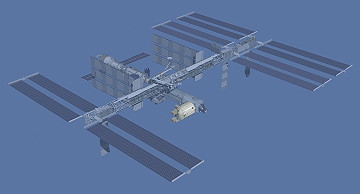
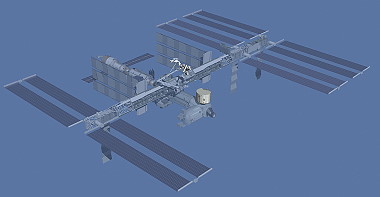
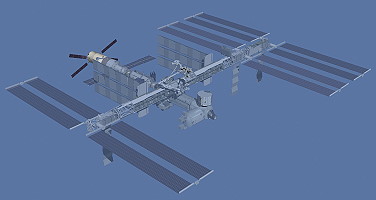
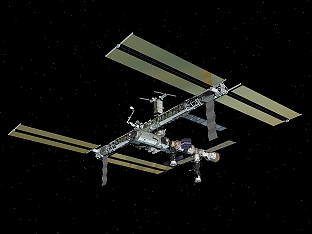
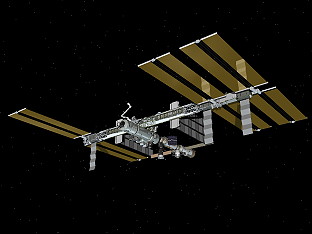
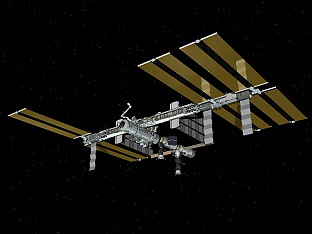
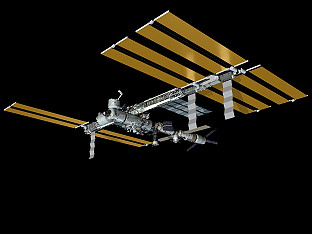
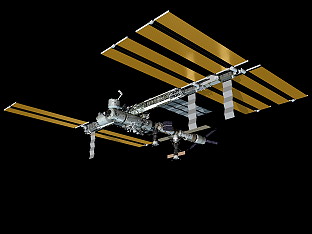
Aufbau der ISS
 |
 |
 |
 |
 |
 |
 |
 |
 |
Fotos / Grafiken
 |
 |
 |
 |
 |
 |
 |
 |
 |
 |
 |
 |
 |
 |
mehr Fotos Erdbeobachtung |
|
mehr EVA-Fotos |
|
mehr Fotos von Bord der ISS |
|
| © |  |
Letztes Update am 10. November 2023.  |
 |