Besatzungen der ISS

ISS: Expedition 17 |
 |
 |
 |
 |
 |
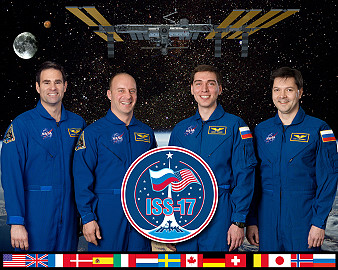
hochauflösende Version (1,16 MB) alternatives Crewfoto |
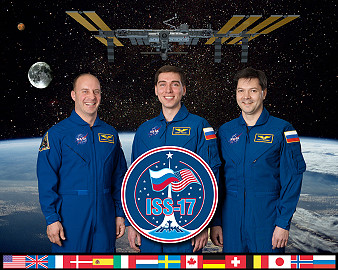
hochauflösende Version (1,13 MB) alternatives Crewfoto |
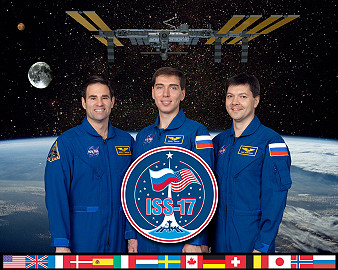
|
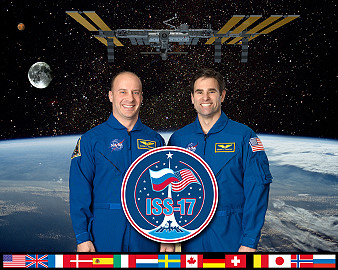
|
alternatives Crewfoto |
|
 |
|
Besatzung, Start- und Landedaten
| Nr. | Nation | Name | Vorname | Position | Raumschiff (Start) |
Startdatum | Startzeit | Raumschiff (Landung) |
Landedatum | Landezeit | Flugdauer | Erdorbits |
| 1 |  |
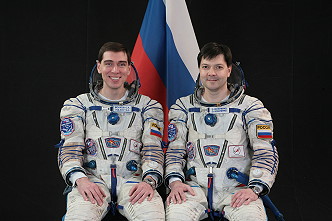
Wolkow | Sergej Alexandrowitsch | ISS-CDR | Sojus TMA-12 | 08.04.2008 | 11:16:38,922 UTC | Sojus TMA-12 | 24.10.2008 | 03:36:49,9 UTC | 198d 16h 20m 11s | 3131 |
| 2 | |
Kononenko | Oleg Dmitrijewitsch | Bordingenieur-1 | Sojus TMA-12 | 08.04.2008 | 11:16:38,922 UTC | Sojus TMA-12 | 24.10.2008 | 03:36:49,9 UTC | 198d 16h 20m 11s | 3131 |
| 3 |  |
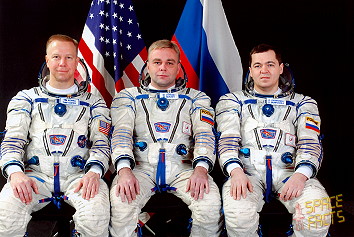
Reisman | Garrett Erin | Flugingenieur-2 | STS-123 | 11.03.2008 | 06:28:13,984 UTC | STS-124 | 14.06.2008 | 15:15:17,014 UTC | 95d 08h 47m 03s | 1501 |
| 4 | |
Chamitoff | Gregory Errol | Flugingenieur-2 | STS-124 | 31.05.2008 | 21:02:12,006 UTC | STS-126 | 30.11.2008 | 21:25:05,599 UTC | 183d 00h 22m 54s | 2879 |
Ersatzmannschaft bzw. Double Crew
| Nr. | Nation | Name | Vorname | Position |
| 1 | |
Surajew | Maxim Wiktorowitsch | ISS-CDR |
| 2 | |
Skripotschka | Oleg Iwanowitsch | Bordingenieur |
| 3 | |
Kopra | Timothy Lennart | Flugingenieur |
| 4 | |
Kopra | Timothy Lennart | Flugingenieur |
 |
 |
Expeditionsverlauf
|
Start vom Kosmodrom Baikonur (Sergej
Wolkow und Oleg
Kononenko mit
Sojus
TMA-12). Gregory
Chamitoff kam am 02. Juni 2008 mit
STS-124 auf der
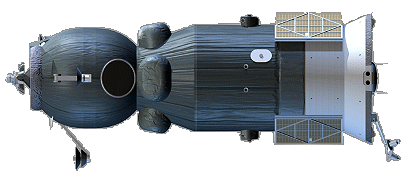
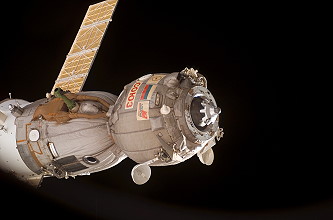
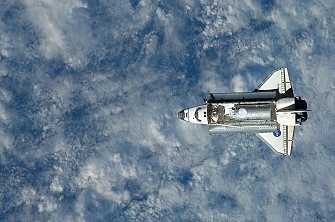
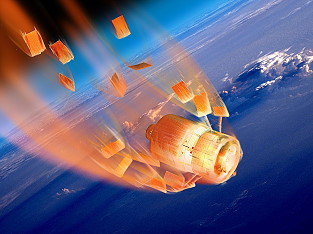
Raumstation an. Offiziell begann die Expedition 17 mit der Abkopplung des russischen Raumschiffs Sojus TMA-11 am 19. April 2008 um 05:06:27 UTC. Gleichzeitig war damit die Expedition 16 beendet. Ursprünglich war der Südkoreaner Ko San für den Flug ausgewählt worden. Am 10. März 2008 wurde bekanntgegeben, dass Ko San durch Yi Soyeon ausgetauscht wurde. Während der Ausbildung hatte Ko San sich Zugang zu Dokumenten über die Sojus-Steuerung verschafft, was nach den Bestimmungen für ausländische Kandidaten unzulässig ist. Somit flog im April 2008 die Koreanerin Yi Soyeon an Bord von Sojus TMA-12 zur Internationalen Raumstation, um dort für ungefähr acht Tage wissenschaftliche Experimente durchzuführen. Yi Soyeon führte während ihres Aufenthaltes in der Internationalen Raumstation 15 Experimente des koreanischen Forschungsprogramms durch. Dazu gehörten Versuche auf den Gebieten Geophysik, Medizin, Biologie, Ökologie, Biotechnologie und Materialwissenschaft. So arbeitete sie mit einem neuen, elektromechanischen System zum schnellen Ausrichten einer Teleskopkamera, mit der Blitze in der oberen Atmosphäre fotografisch erfasst wurden. Außerdem widmete sie sich dem Studium der Effekte von Schwerelosigkeit und Strahlung auf Pflanzenzellen. Dabei handelte es sich um Samen von Reis, Sojabohnen, Raps, Rettich, Pfeffer, wildem Sesam, Arabidopsis (Ackerschmalwand), Orchideen, Löwenzahn, Hibiskus und Schmuckkörbchen (Kosmee). Für Bildungszwecke wurde auch Pflanzenwachstum dokumentiert. Untersucht wurden ebenso genetische und Alterungsprozesse bei insgesamt 1.000 Fruchtfliegen. Medizinische Forschungen beinhalteten die regelmäßige Messung des Augeninnendrucks, ein 24-Stunden-EKG, die Erfassung von Gefäßveränderungen im Gesicht (Puffy Face) mittels Spezialkamera mit diversen Filtern und Rastern sowie die Dokumentation von Geschmacksveränderungen. Dazu wurde typisch koreanische Kost gereicht. Bestandteile des Forschungsprogramms waren auch Erdbeobachtung und -fotografie, die Kultivierung verschiedener pflanzlicher, tierischer und menschlicher Zelltypen im Minireaktor BioTron MBR, die Synthese von Zeolithkristallen aus neun Proben unterschiedlicher Konzentration, die Herstellung poröser metall-organischer Materialien, Messungen des Lärms im russischen Teil der ISS, der Test eines neuen Speichermaterials (FRAM) im Vergleich zu bisherigen Flash-Speichern (NAND) sowie die Erprobung eines neuen Messgerätes für geringe Massen (50–200 Gramm). Konventionelle Waagen sind in der Schwerelosigkeit nutzlos. Die Massebestimmung muss über die Fähigkeit eines Körpers, eine Bewegungsänderung zu behindern (Trägheit), erfolgen. Schließlich wurde das Leben von Yi Soyeon in der Raumstation fotografisch und filmisch dokumentiert. Dabei wurden auch Videos für Bildungszwecke gedreht. Hierfür wurde das Verhalten verschiedener Körper in der Schwerelosigkeit demonstriert. Dazu gehörten Fächer, Stifte, Seile, Kreisel, Wassertropfen, Federn und Papierblumen. Der unbemannte russische Frachter Progress M-64 legte am 16. Mai 2008 um 21:39 UTC an der Internationalen Raumstation an. Er war am 14. Mai 2008 um UTC vom Kosmodrom Baikonur gestartet. Erstmals verfügte dieser Transporter über ein digitales Steuersystem. Das Transport-Raumschiff brachte 2,1 Tonnen Lebensmittel, Wasser und Sauerstoff zur Stammbesatzung. Am 01. September 2008 um 19:46 UTC koppelte Progress M-64 wieder ab und wurde danach noch für eine Woche im Rahmen des Programms Plasma-Progress verwendet. Der Frachter wurde kontrolliert zum Absturz gebracht und verglühte am 08. September 2008 über dem Pazifischen Ozean. Am 02. Juni 2008 koppelte der Raumgleiter STS-124 an die Internationale Raumstation an. Die Mission STS-124 (ISS-1J JEM PM JEM RMS) brachte einen weiteren Teil des japanischen Kibo-Moduls (Japanese Experiment Module - Pressurized Module; JEM PM) und den japanischen Roboterarm (JEM RMS) zur Internationalen Raumstation (ISS). Außerdem wurde das mit STS-123 gelieferte JEM ELM PS-Modul an seine endgültige Position versetzt. Weiteres wesentliches Missionsziel war der Austausch eines Besatzungsmitgliedes der ISS. Gregory Chamitoff sollte Garrett Reisman als Bordingenieur der ISS Expedition 17 ablösen. Kibo (japanisch für Hoffnung, ursprünglich Japanese Experiment Module JEM) ist ein Modul der Internationalen Raumstation (ISS) und der Beitrag der japanischen Raumfahrtbehörde JAXA zur ISS. Kibo ist das größte Einzelmodul der ISS sowie das erste bemannte Weltraumprojekt Japans. Es kann bis zu vier Raumfahrer aufnehmen und bietet die Möglichkeit, an 23 Racks Experimente vorzunehmen, wovon in der ersten Nutzungsphase 14 geplant sind. Die Schwerpunkte der Forschung sollen im Bereich der Weltraummedizin, Biologie und der Materialforschung liegen. Die gesamte Einheit besteht aus fünf Teilen: Dem unter Druck stehenden Pressurized Module (JEM PM). Es ist das zentrale Modul, in dem die Astronauten Experimente durchführen. Seine Länge beträgt 11,2 m bei einem Durchmesser von 4,4 m und einer Masse von 15,9 t. An der Stirnseite des zylindrischen Moduls befindet sich eine kleine Luftschleuse, durch welche z. B. Experimente von der Exposed Facility (JEM EF) geborgen werden können. Dem ebenfalls unter Druck stehenden so genannten Experiment Logistics Module - Pressurized Section (JEM ELM PS). Dieses Modul wird hauptsächlich als Stauraum genutzt. Es hätte vom JEM PM abgekoppelt und mit dem Space Shuttle zur Erde zurückgebracht und mit neuem Material hinaufgeschickt werden können. JEM ELM PS ist 3,9 m lang und hat einen Durchmesser von 4,4 m. Die Leermasse beträgt 4,2 t. Eine Plattform für Experimente. Die Exposed Facility (JEM EF) ist 5,60 Meter lang, 5 Meter breit, 4 Meter hoch und wird außerhalb des JEM PM befestigt. Sie ist 5,1 m breit, 6,0 m lang und besitzt eine Masse von 4 t. Rings um die Plattform können einzelne Experimentcontainer angebracht werden. Das Außenlager - Experiment Logistics Module - Exposed Section (JEM ELM-ES) wird außerhalb des JEM EF befestigt. Es ist 4,9 m breit und 4,2 m lang. Die drucklose Ladeplatte des HTV kann zu JEM ELM-ES mit den Roboterarmen geleert werden. Das JEM ELM-ES wurde nach seinem Ersteinsatz zum Transport von Experimenten bei STS-127 vom Shuttle wieder mit zur Erde zurückgenommen und ist kein dauerhafter Bestandteil im Orbit. Dem Roboterarm des Kibo-Moduls. Der JEM RMS (Japanese Experiment Module Remote Manipulator System) besteht aus einem Hauptarm (Main Arm), der 9,9 m lang ist und Massen bis zu sieben Tonnen bewegen kann, sowie einem kleineren Arm (Small Fine Arm), der bei Bedarf angedockt wird. Dieser kleine Zusatzarm kann sehr präzise Arbeiten durchführen. Als erstes Bauteil wurde das Experiment Logistics Module (JEM ELM PS) am 11. März 2008 gestartet und im Rahmen der Shuttle-Mission STS-123 an die ISS angedockt. JEM ELM PS wurde provisorisch an der Oberseite (Zenit) des Harmony-Moduls befestigt. Die Kibo-Hauptbaugruppe Pressurized Module (JEM PM) und der Roboterarm (JEM RMS) wurden am 31. Mai 2008 mit der Mission STS-124 zur ISS gebracht und dort am 03. Juni 2008 angedockt. In der Nähe der Station führte Mark Kelly ein spektakuläres 360°-Manöver - das Rendezvous Pitch Maneuver (RPM) - durch, wobei er die Raumfähre innerhalb weniger Minuten um ihre Querachse drehen ließ. Die Besatzung der Raumstation fertigte währenddessen hochauflösende Aufnahmen des Shuttle-Hitzeschildes an. Die Aufnahmen wurden später zur Erde übertragen und von Fachleuten ausgewertet. Mit einer direkt vor der ISS reduzierten Annäherungsgeschwindigkeit auf zuletzt nur noch 3 Zentimeter pro Sekunde flog der Orbiter auf den Ankopplungsstutzen der Internationalen Raumstation zu. Wie die Kommandanten bei allen Kopplungsmissionen steuerte er den Raumgleiter von der hinteren Konsole im Flugdeck aus, weil er von dort freie Sicht auf die Raumstation hatte. Ohne Probleme konnte er sein Raumschiff an die ISS ankoppeln. Noch am selben Tag löste Missionsspezialist Gregory Chamitoff ISS-Bordingenieur Garrett Reisman ab, indem die Sojus-Sitze ausgetauscht wurden. Gregory Chamitoff baute seinen im Space Shuttle mitgebrachten Schalensitz in das angedockte Raumschiff Sojus TMA-12 ein. Dies geschah nur als Vorsichtsmaßnahme für den Fall einer überhasteten Rückkehr vor Abholung durch das nächste Space Shuttle. Damit gehörte er offiziell zur 17. Besatzung der Raumstation. Im Gegenzug baute Garrett Reisman seinen Schalensitz aus dem Sojus-Raumschiff aus und wurde damit Mannschaftsmitglied von STS-124. Im Mitteldeck der Discovery war ein Liegesitz für ihn eingebaut, um ihm bei der Landung die Anpassung an die Schwerkraft zu erleichtern. Abends begaben sich Michael Fossum und Ronald Garan in die Stationsluftschleuse Quest, um über Nacht und unter reduziertem Druck reine Sauerstoff zu atmen. Bei diesem sogenannten Campout wird Stickstoff aus dem Körpergewebe der Raumfahrer entfernt, um der Unterdruckkrankheit vorzubeugen. Die erste EVA erfolgte durch Michael Fossum und Ronald Garan am 03. Juni 2008 (6h 48m). Während des Einsatzes von Michael Fossum und Ronald Garan wurde zunächst der OBSS von der Station getrennt und an den Roboterarm des Shuttles übergeben. Dieser stand dabei 30 Minuten lang nicht unter Strom. Die tiefen Temperaturen des Weltraums hätten die Roboterarmverlängerung nach etwa zwei Stunden beschädigen können. Anschließend begaben sich Michael Fossum und Ronald Garan zum in der Ladebucht des Shuttles befindlichen Kibo-Modul, um es auf den Transfer zum Backbord-Andockstutzen des Harmony-Moduls vorzubereiten. Nachdem dies erledigt war, wurde Kibo von Karen Nyberg und Akihiko Hoshide an seinen Platz an Harmony gebracht. In dieser Zeit begaben sich die beiden EVA-Astronauten zur S4-Gitterstruktur. Dort wurde von Ronald Garan ein Motor des SARJ-Drehgelenks ausgetauscht, während Michael Fossum versuchte, Weltraumstaub, der sich auf einem der Drehringe angesammelt hatte, mit verschiedenen Werkzeugen und Techniken zu entfernen. Dies sollte dabei helfen, Techniken für die Mission STS-126 zu verfeinern, damit während jener Mission das SARJ wiederinstandgesetzt werden konnte. Bei dem Drehgelenk wurden im Jahr 2007 Verschleißerscheinungen festgestellt, die sich durch Vibrationen in der gesamten Station äußerten. Seitdem war das Drehgelenk meist abgeschaltet und wurde nur noch so viel wie unbedingt nötig bewegt. Das SARJ richtet die großen Solarzellen zur Sonne aus, um möglichst viel Sonnenenergie in elektrische Energie umzuwandeln. Am fünften Flugtag wurden die Luken zu Kibo um 21:05 UTC geöffnet und man begann nach einer Luftinspektion mit dem Innenausbau des noch leeren Moduls. Weiterhin wurden Vorbereitungen für den zweiten Ausstieg vorgenommen und Michael Fossum und Ronald Garan begaben sich in einen weiteren Campout. Zudem wurde die defekte Weltraumtoilette im russischen Swesda-Modul repariert. Die zweite EVA unternahmen Michael Fossum und Ronald Garan am 05. Juni 2008 (7h 11m) zur Installation von Abdeckungen und Fernsehequipment am JEM PM sowie Entfernen von Abdeckungen des JEM RMS, welches am achten Flugtag installiert wurde. Weiterhin wurden das von STS-123 angelieferte Logistikmodul auf seine Umsetzung am Folgetag sowie die Montage eines Stickstofftanks während des letzten Ausstiegs vorbereitet. Flugtag sieben diente zunächst der Umsetzung des Kibo-Logistikmoduls an seinen neuen Platz auf dem Hauptmodul. Nach der Montage des Moduls wurde der Innenausbau weiter fortgesetzt. Weiterhin wurde der japanische Roboterarm erstmals etwas bewegt, jedoch nicht ausgefahren. Die dritte und letzte EVA durch Michael Fossum und Ronald Garan wurde am 08. Juni 2008 (6h 33m) durchgeführt. Es wurden durch Ronald Garan am Ende des Canadarm2 der leere Stickstofftank im Steuerbordträger gegen einen neu gefüllten aus dem Lager der External Stowage Platform (ESP) ausgetauscht, die Kamerabefestigung einer Kibo-Außenkamera überprüft, das reparierte Kamerasystem wieder am P1-Träger montiert, Schutzabdeckungen an Kameras des japanischen Greifarms entfernt und Vergleichsproben vom intakten Backbord-SARJ genommen. Nach der minimalen Bewegung von zwei Gelenken des zehn Meter langen Kibo-Greifarms am siebten Flugtag diente der zehnte Tag, neben Vorbereitungen für die Rückkehr der Discovery, der vollständigen Inbetriebnahme des Armes. Alle sechs Gelenke und die zugehörigen Bremsen funktionierten einwandfrei. Am 11. Juni 2008 koppelte die STS-124-Besatzung mittels Federkraft wieder von der ISS ab. Dadurch wurden Beschädigungen oder Verunreinigungen der Station vermieden. Erst danach wurden die Steuerungstriebwerke aktiviert und die Raumfähre entfernte sich von ihr bis zu einer Distanz von etwa 150 Meter. Von dort aus umflog Kenneth Ham die Orbitalstation eineinhalb Mal, ehe die Triebwerke der Discovery erneut gezündet wurden und der Raumgleiter seine Distanz vergrößerte. Der Orbiter stoppte dann in einer Entfernung von etwa 75 Kilometer. Mit Hilfe des OBSS wurde eine letzte Überprüfung des Hitzeschutzschildes vorgenommen. Im Notfall hätte das Space Shuttle zur Internationalen Raumstation zurückkehren können. Hauptaufgabe war aber die Instandhaltung der Station und die Betreuung einer Vielzahl von Experimenten. Von russischer Seite waren dies 47 Untersuchungen auf den Gebieten Biologie, Medizin, Biotechnologie, Materialwissenschaft und Raumfahrttechnologie. Die NASA hatte 17 komplexe Untersuchungen auf dem Plan. Außerdem wurden etwa zwei Dutzend weitgehend automatisch ablaufende Experimente der Europäischen Weltraumagentur ESA betreut. Diese waren mit dem Labormodul Columbus zur ISS gelangt. Im Rahmen des Experiments Profilaktika wurden Therapien gegen den Muskel- und Knochenabbau in der Schwerelosigkeit erprobt. Dem Studium chemoluminiszenter Reaktionen und atmosphärischer Leuchterscheinungen als Resultat der Wechselwirkung von Triebwerksabgasen mit der oberen Erdatmosphäre widmete sich das Experiment Relaksatsija. Die Untersuchungen fanden vor allem im UV-Bereich statt. Entwicklung und Test von boden- und weltraumgestützten Untersuchungsmethoden zur Vorhersage von natürlichen oder durch den Menschen verursachten Katastrophen war das Ziel des Experiments Uragan. Das neue Experiment Vsplesk diente dem Studium von Prozessen in der Erdkruste, im Erdmagnetfeld und im van-Allen-Gürtel, die im Zusammenhang mit seismischen Aktivitäten stehen und möglicherweise für Erdbebenvorhersagen verwendet werden können. Dazu wurden Ströme hochenergetischer geladener Partikel gemessen. Um einen Teil der Apparatur an der Außenseite der Station zu befestigen, unternahm die Besatzung einen Außenbordeinsatz. Bei Sonokard ging es um die Entwicklung von Methoden, Vitalfunktionen der Raumfahrer, speziell des kardiorespiratorischen Systems (Herz und Lunge) während des Schlafes kontaktfrei zu erfassen. Ein ganzer Komplex von Experimenten befasste sich mit der Untersuchung der Auswirkungen von Schwerelosigkeit, Strahlung und Bewegung im Erdmagnetfeld auf Lebensfähigkeit, Mobilität und Stoffwechsel von Zellkulturen. Dazu gehörten bakterielle Plasmide sowie Laktolen- und Interleukin-produzierende Bakterien (z. B. Lactobacillus delbruecki). Zu den vielfältigen Experimenten gehörte auch ELaboratore Immagini Televisive - Space 2 (ELITE-S2), eine Kooperation zwischen NASA und der italienischen Raumfahrtagentur ASI. Durch die dreidimensionale Aufzeichnung von Bewegungen der Raumfahrer soll die Ergonomie künftiger Arbeitsplätze in der Schwerelosigkeit verbessert werden. Außerdem lassen sich Rückschlüsse auf das Zusammenwirken von Sehen, Verarbeitung im Gehirn und Bewegungen ziehen und Auswirkungen der Schwerelosigkeit auf die Atmung untersuchen. Beim Materialexperiment Coasenning in Solid Liquid Mixtures 2 wird das Wachstum von größeren Partikeln auf Kosten kleinerer in flüssigem Metall, in diesem Falle Zinn, erfasst. Das Messsystem ANITA analysiert die Luft durch Interferometrie und kann auf diese Weise Spuren von 32 potenziell schädlichen Gasen nachweisen. Die erste EVA unternahmen Sergej Wolkow und Oleg Kononenko am 10. Juli 2008 (6h 18m) zur Inspektion ihres Raumschiffes Sojus TMA-12. Dabei wurden die fünf Haltebolzen zur Befestigung des Landemoduls an den Versorgungsteil kontrolliert. Außerdem bargen sie einen pyrotechnischen Bolzen, die bei der Rückkehr vor dem Wiedereintritt das Landemodul abtrennen, für eine genaue Untersuchung auf der Erde. Ein Fehler beim Trennmechanismus wurde als die wahrscheinliche Ursache für die ballistischen Landungen von Sojus TMA-10 und Sojus TMA-11 ermittelt. Die zweite und letzte EVA erfolgte ebenfalls durch Sergej Wolkow und Oleg Kononenko am 15. Juli 2008 (5h 54m). Dabei installierten sie das Experiment Vsplesk an der ISS-Außenhülle und entfernten dafür das Biorisk-Experiment. Weiterhin bereiteten sie den Andockpunkt am Swesda-Modul für das russische Modul Poisk vor, welches am 12. November 2009 vollautomatisch andockte. Am 05. September 2008 koppelte der seit 03. April 2008 angedockte europäische Transporter „Jules Verne“ (ATV) von der Station ab. Er diente in den fünf Monaten, in denen er zu einem Teil der Station wurde, auch als Lagerraum, Schlafplatz, Hygienebereich, Experimentierbühne und Kühlraum. Für diese Aufgaben war er ursprünglich gar nicht vorgesehen. Der großzügige Platz, die leise arbeitende Lebenserhaltung, die Diskretion am Ende der Längsachse der Station und die etwas niedrigere Temperatur sorgten dafür, dass Jules Verne häufiger und vielfältiger als geplant genutzt wurde. Der unbemannte russische Frachter Progress M-65 legte am 17. September 2008 um 18:43 UTC an der Internationalen Raumstation an. Er war am 10. September 2008 um 19:50 UTC vom Kosmodrom Baikonur gestartet. Eigentlich sollte der Frachter bereits am 12. September 2008 andocken. Wegen des herannahenden Hurrikans Ike musste das Kontrollzentrum in Houston jedoch vorübergehend geschlossen werden und die Kopplung wurde um einige Tage verschoben. Das Transport-Raumschiff brachte 2,5 Tonnen Nachschub, darunter Lebensmittel, Wasser und Sauerstoff zur Stammbesatzung. Geliefert wurde auch ein neuer Orlan-Raumanzug, der ein älteres Modell ersetzte. Am 14. November 2008 um 16:19 UTC koppelte Progress M-65 wieder ab und wurde dann im Rahmen des Experiments Plasma-Progress verwendet. Der Frachter wurde kontrolliert zum Absturz gebracht und verglühte am 08. Dezember 2008 über dem Pazifischen Ozean. Am 10. April 2008 brachte das russische Raumschiff Sojus TMA-13 zwei neue Crewmitglieder der Expedition 18 zur ISS. Gegen Ende der Mission übertrug der russische Kosmonaut Sergej Wolkow das Kommando über die Station an den amerikanischen Astronauten Michael Fincke. Mit der Abkopplung von Sojus TMA-12 am 24. Oktober 2008 um 00:16:18 UTC endete offiziell die Expedition 17 und die ISS Expedition 18 begann. Während ihres Aufenthaltes an Bord der ISS führte die Crew der Expedition 17 folgende wissenschaftliche Experimente durch (vollständige Auflistung): 3D-Space (Mental Representation of Spatial Cues During Space Flight), ALTEA-Dosi (Anomalous Long Term Effects in Astronauts' - Dosimetry), ANITA (Analyzing Interferometer for Ambient Air), Antigen (Optimization of Heterological Expresssion in Yeasts-True Yeasts in Microgravity for Example Synthesis of the HBS Antigen of the Virus Hepatitis B), ARISS (Amateur Radio on the International Space Station), Bar (Choice and Development of Methods and Instruments to Detect the Location of a Loss of Pressurization of a Module on ISS), BCAT-3-4-CP (Binary Colloidal Alloy Test - 3 and 4: Critical Point), BCAT-4-Poly (Binodal Colloidal Aggregation Test - 4: Polydispersion), BIMS (Assessment of the Efficiency of the Use of Telemedicine Technologies On-Board ISS), Biodegradation (Initial stage of Biodegradation and Biodeterioration in Space), Bioemulsia (Research and Development of a Self-Contained Reactor of the Shielded Type For Production of Biomass of Microorganisms and Biologically Active Substances), Biorisk (Influence of Factors of the Space Environment on the Condition of the System of Microorganisms-Hosts Relating to the Problem of Environmental Safety of Flight Techniques and Planetary Quarantine), Biotrek (Influence of the Flow of Heavily Charged Particles of Space Radiation on Gentic Properties of Cell Production), BTN-M1 (Examination of the Flow of High Speed and Thermal Neutrons), Buzz Lightyear (Buzz Lightyear), Cell Wall (Reverse Genetic Approach to Exploring Genes Responsible for Cell Wall Dynamics in Supporting Tissues of Arabidopsis Under Microgravity Conditions), CEO (Crew Earth Observations), CEO-IPY (Crew Earth Observations - International Polar Year), Conjugation (Development of Methods for Designing New Recombinants Producing Strains of Bacteria in Space Flight), CSI-02 (Commercial Generic Bioprocessing Apparatus Science Insert - 02: Silicate Garden, Seed Germination, Plant Cell Culture and Yeast), CSLM-2 (Coarsening in Solid Liquid Mixtures-2), Diatomeya (Stability of Geographical Position and Configuration of Borders of Bioproductive Water Zones of the World Oceans, Observations by Orbition Station Crews), DOSTEL (DOSimetry TELescopes), Dykhanie (Regulation and Biomechanics of Respiration in Space Flight), EarthKAM (Earth Knowledge Acquired by Middle School Students), EDOS (Early Detection of Osteoporosis in Space), Ekon (Experimental Survey on Evaluating the Possibility of Using th Russian Segment of ISS for Environmental Inspection of Work Areas of Various Facilities (Features)), ELITE-S2 (ELaboratore Immagini TElevisive - Space 2), Environmental Monitoring (Environmental Monitoring of the International Space Station), EPO-Demos (Education Payload Operation - Demonstrations), Epstein-Barr (Space Flight Induced Reactivation of Latent Epstein-Barr Virus), Geoflow-1 (Simulation of Geophysical Fluid Flow Under Microgravity-1), Identifikatsia (Identification of the Sources of Dynamic Loads on ISS), Inflight Education Downlinks (International Space Station Inflight Education Downlinks), Integrated Immune (Validation of Procedures for Monitoring Crewmember Immune Function), Integrated Immune-SDBI (Validation of Procedures for Monitoring Crewmember Immune Function - Short Duration Biological Investigation), ISS Acoustics (International Space Station Acoustic Measurement Program), JAXA-HDTV (Activation and Test Downlink of HDTV System), JAXA EPO 1 (Japan Aerospace Exploration Agency Education Payload Observation 1), Journals (Behavioral Issues Associated with isolation and Confinement: Review and Analysis of Astronaut Journals), Lactolen (Influence of Factors of Space Flight on Lactolen Producer Strains), LOCAD-PTS (Lab-on-a-Chip Application Development-Portable Test System), Marangoni-Exp (Chaos, Turbulence and its Transition Process in Marangoni Convection-Exp), MATI-75 (Educational Demonstration of the Effects of Shape and Size on the Recovery of Precompressed Plastic Material), Midodrine-Long (Test of Midodrine as a Countermeasure Against Post-flight Orthostatic Hypotension - Long), MISSE-6A and 6B (Materials International Space Station Experiment - 6A and 6B), NLP-Vaccine-MRSA (National Laboratory Pathfinder - Vaccine - Methicillin-resistant Staphylococcus aureus), NLP-Vaccine-Salmonella (National Laboratory Pathfinder - Vaccine - Salmonella), NOA-1 (Exhaled Nitric Oxide-1), NOA-2 (Exhaled Nitric Oxide-2), Nutrition (Nutritional Status Assessment), OChB (Influence of Factors of Space Flight on Superoxide Strain Producer), Otolith (Otolith Assessment During Postflight Re-adaptation), Pilot (Individual Characteristics of Psychophysiological Regulatory Status and Reliaility of Professional Activities of Cosmonauts in Long Duration Space Flight), Plasma-MKS (Plasma-ISS: Examination of Plasmic Environments on the External Surface of ISS Through the Characterization of Optical Radiance), Plasma-Progress (Observation of the Reflective Characteristics of the Spacecraft Plasma Environment from On-Board Thruster Activity Using Ground-Based Instruments), Plasma Crystal (Dusty and Liquid Plasma Crystals in Conditions of Microgravity), Plazmida (Transfer of Molecules of DNA by Conjugation in Space Flight), Pneumocard (Examination of the Influencing Factors of Space Flight on Autonomic Regulation of Blood Circulation, Respiration and Cardiac Contractile Function in Long Duration Space Flight), Profilaktika (Mechanisms of Action and Influence, and Effectiveness of Various Methods of Phrophylaxis Directed Toward Prevention of Disturbances of the Human Locomotion System in Weightlessness), Regeneratsia (Effect of Weightlessness on Processes of Regeneration by Electrophysiological and Morphological Factors), Relaksatia (Processes of Relaxation in the Ultraviolet Band Spectrum by High Velocity Interaction of Exhaust Products on ISS), Repository (National Aeronautics and Space Administration Biological Specimen Repository), Resist Wall (Role of Microtubule-Membrane-Cell Wall Continuum in Gravity Resistance in Plants), SHERE (Shear History Extensional Rheology Experiment), Sleep-Long (Sleep-Wake Actigraphy and Light Exposure During Spaceflight-Long), Sleep-Short (Sleep-Wake Actigraphy and Light Exposure During Spaceflight-Short), SOLO (SOdium LOading in Microgravity), Sonokard (Physiological Functions (cardio-respiratory) of Humans Using Contactless Methods During Sleep in Long Duration Space Flight), SPHERES (Synchronized Position Hold, Engage, Reorient, Experimental Satellites), Spin (Validation of Centrifugation as a Countermeasure for Otolith Deconditioning During Spaceflight), Stability (Stability of Pharmacotherapeutic and Nutritional Compounds), Ten'-Mayak (Study of Transmit/Receive Radio Signal Conditions in the Russian Segment of ISS Using the World-Wide Ham Radio Network), Uragan (Hurricane: Experimental Development of Groundbased System of Monitoring and Predicting the Progression of a Naturally Occurring Technogenic Catastrophe), Vsplesk (Burst: Monitoring of Seismic Effects - Bursts of High Energy Particles in Low Earth Space Region (Orbit)), WAICO (Waving and Coiling of Arabidopsis Roots at Different g-levels), Zag (Ambiguous Tilt and Translation Motion Cues After Space Flight), Zhenshen-2 (Study of the Development of Cell Cultures to Evaluate the Possibily of Increasing Biological Activity). |
EVA-Daten
| Name | Beginn | Ende | Dauer | Mission | Schleuse | Anzug | Streifen | |
| EVA | Fossum, Michael | 03.06.2008, 16:22 UTC | 03.06.2008, 23:10 UTC | 6h 48m | STS-124 | ISS - Quest | EMU Nr. 3015 | rot |
| EVA | Garan, Ronald | 03.06.2008, 16:22 UTC | 03.06.2008, 23:10 UTC | 6h 48m | STS-124 | ISS - Quest | EMU Nr. 3017 | ohne |
| EVA | Fossum, Michael | 05.06.2008, 15:04 UTC | 05.06.2008, 22:15 UTC | 7h 11m | STS-124 | ISS - Quest | EMU Nr. 3015 | rot |
| EVA | Garan, Ronald | 05.06.2008, 15:04 UTC | 05.06.2008, 22:15 UTC | 7h 11m | STS-124 | ISS - Quest | EMU Nr. 3017 | ohne |
| EVA | Garan, Ronald | 08.06.2008, 13:55 UTC | 08.06.2008, 20:28 UTC | 6h 33m | STS-124 | ISS - Quest | EMU Nr. 3017 | ohne |
| EVA | Fossum, Michael | 08.06.2008, 13:55 UTC | 08.06.2008, 20:28 UTC | 6h 33m | STS-124 | ISS - Quest | EMU Nr. 3015 | rot |
| Name | Beginn | Ende | Dauer | Mission | Schleuse | Anzug | Streifen | |
| EVA | Kononenko, Oleg | 10.07.2008, 18:48 UTC | 11.07.2008, 23:10 UTC | 6h 18m | ISS-17 | ISS - Pirs | Orlan-M Nr. 26 | blau |
| EVA | Wolkow, Sergej | 10.07.2008, 18:48 UTC | 11.07.2008, 23:10 UTC | 6h 18m | ISS-17 | ISS - Pirs | Orlan-M Nr. 27 | rot |
| EVA | Kononenko, Oleg | 15.07.2008, 17:08 UTC | 15.07.2008, 23:02 UTC | 5h 54m | ISS-17 | ISS - Pirs | Orlan-M Nr. 26 | blau |
| EVA | Wolkow, Sergej | 15.07.2008, 17:08 UTC | 15.07.2008, 23:02 UTC | 5h 54m | ISS-17 | ISS - Pirs | Orlan-M Nr. 27 | rot |
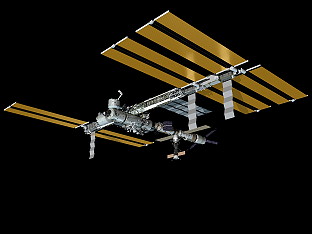
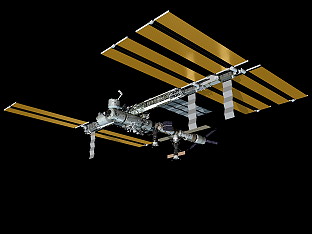
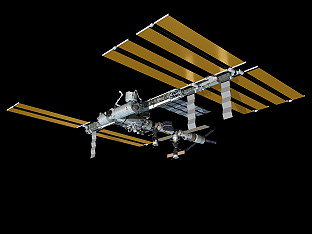
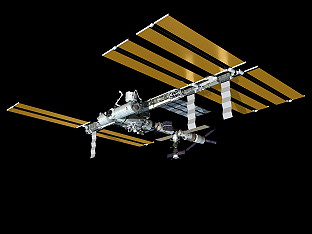
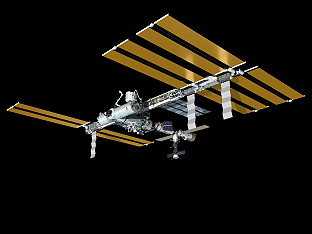
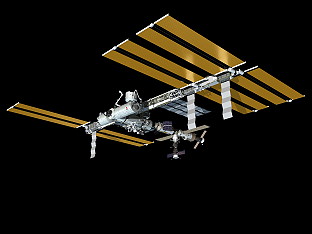
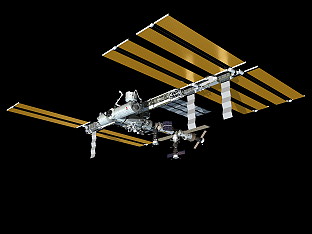
Aufbau der ISS
 |
 |
 |
 |
 |
 |
 |
 |
Fotos / Grafiken
 |
 |
 |
 |
 |
 |
 |
 |
 |
 |
 |
 |
mehr Fotos Erdbeobachtung |
|
mehr EVA-Fotos |
|
mehr Fotos von Bord der ISS |
|
| © |  |
Letztes Update am 10. November 2023.  |
 |