Besatzungen der ISS

ISS: Expedition 13 |
 |
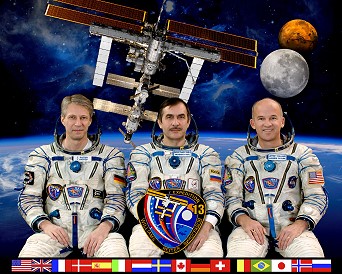
hochauflösende Version (808 KB) alternatives Crewfotoalternatives Crewfotoalternatives Crewfoto |
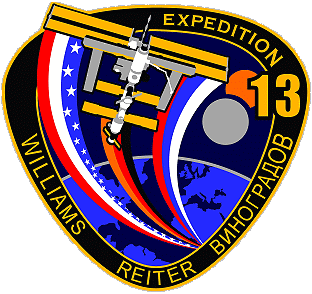 |
 |
|
Besatzung, Start- und Landedaten
| Nr. | Nation | Name | Vorname | Position | Raumschiff (Start) |
Startdatum | Startzeit | Raumschiff (Landung) |
Landedatum | Landezeit | Flugdauer | Erdorbits |
| 1 |  |
Winogradow | Pawel Wladimirowitsch | ISS-CDR | Sojus TMA-8 | 30.03.2006 | 02:30:20,076 UTC | Sojus TMA-8 | 29.09.2006 | 01:13:37 UTC | 182d 22h 43m 17s | 2886 |
| 2 |  |
Williams | Jeffrey Nels | Flugingenieur-1 | Sojus TMA-8 | 30.03.2006 | 02:30:20,076 UTC | Sojus TMA-8 | 29.09.2006 | 01:13:37 UTC | 182d 22h 43m 17s | 2886 |
| 3 |  |
Reiter | Thomas Arthur | Flugingenieur-2 | STS-121 | 04.07.2006 | 18:37:54,987 UTC | STS-116 | 22.12.2006 | 22:31:58 UTC | 171d 03h 54m 03s | 2692 |
Ersatzmannschaft bzw. Double Crew
| Nr. | Nation | Name | Vorname | Position |
| 1 | |
Jurtschichin | Fjodor Nikolajewitsch | ISS-CDR |
| 2 | |
Fincke | Edward Michael "Mike" | Flugingenieur |
| 3 |  |
Eyharts | Léopold Paul Pierre | Flugingenieur |
 |
Expeditionsverlauf
|
Start vom Kosmodrom Baikonur (Pawel
Winogradow und Jeffrey
Williams mit
Sojus TMA-8).
Thomas
Reiter kam mit
STS-121 am 06.
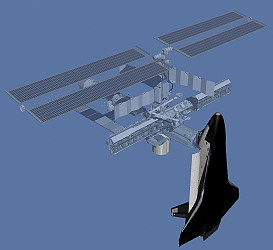
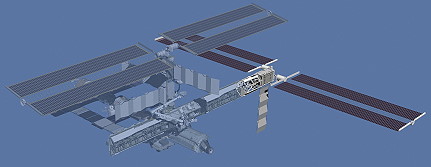
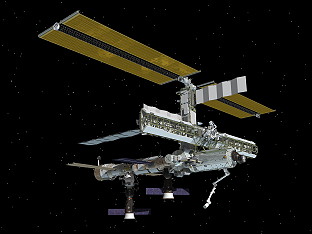
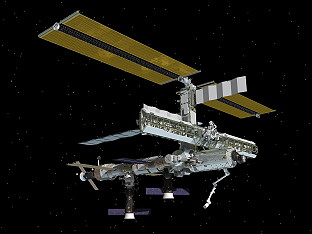
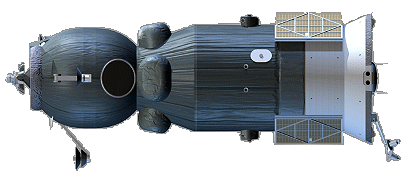
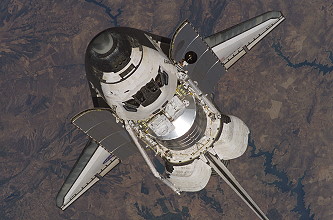
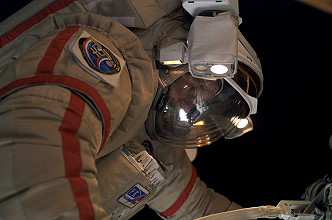
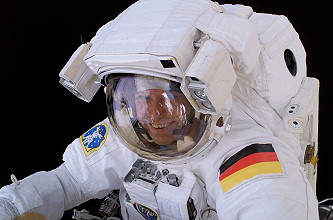
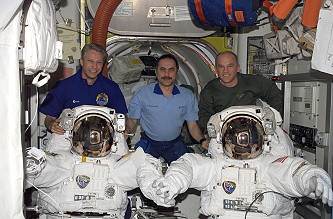
Juli 2006 an. Offiziell begann die Expedition 13 mit der Abkopplung des russischen Raumschiffs Sojus TMA-7 am 08. April 2006 um 20:27:54 UTC. Gleichzeitig war damit die Expedition 12 beendet. Nach zweitägigem Alleinflug koppelte die Sojus am 01. April 2006 an die ISS an. Es folgte die Ablösung der bisherigen Stammbesatzung. Ursprünglich hatte die NASA geplant, William McArthur mit dem Space Shuttle zurückzubringen, musste dies aber aufgrund von Problemen und Startverschiebungen der Orbiter-Flotte aufgeben. Zudem war vorgesehen, den ursprünglich ebenfalls zur Expedition 13 gehörenden deutschen ESA-Astronauten Thomas Reiter mit der Shuttle-Mission STS-121 im Herbst 2005 zur Station zu bringen. Aus technischen Gründen musste STS-121 auf den Sommer des folgenden Jahres verschoben werden, sodass Thomas Reiter erst am 06. Juli 2006 als drittes Mitglied der ISS Expedition 13 auf der ISS eintraf. Damit hatte die Station zum ersten Mal seit 2003 wieder eine dreiköpfige Langzeitbesatzung. Die ersten Wochen waren Experimenten mit Flüssigkeiten gewidmet. Dabei ging es um den Kapillareffekt und das Gefrieren von Flüssigkeiten in der Schwerelosigkeit. Der unbemannte russische Frachter Progress M-56 legte am 26. April 2006 um 17:41:31 UTC an der Internationalen Raumstation an. Er war am 24. April 2006 um 16:03:25 UTC vom Kosmodrom Baikonur gestartet. Das Transport-Raumschiff brachte 2,3 Tonnen Ausrüstung, Atemluft, Wasser und Nahrung zur Stammbesatzung. Am 19. September 2006 um 00:28:17 UTC koppelte Progress M-56 wieder ab. Der Frachter wurde kontrolliert zum Absturz gebracht und verglühte am gleichen Tag über dem Pazifischen Ozean. Ein weiteres Experiment, das Mitte Mai 2006 durchgeführt wurde, war SPHERES (Synchronized Position Hold, Engage, Reorient, Experimental Satellites). Dabei handelt es sich um einen Kleinstsatelliten mit einem Durchmesser von 20 Zentimeter, der innerhalb der Station ausgesetzt und von Jeffrey Williams per Funk gesteuert wurde. SPHERES konnte aber auch autonome Manöver durchführen. Der Satellit dient zum Test neuer Technologien, die bei Missionen mit mehreren Satelliten im Formationsflug angewendet werden können. Die erste EVA durch Pawel Winogradow und Jeffrey Williams erfolgte am 01. Juni 2006 (6h 31m) zur Installation eines neuen Sauerstoff-Druckventils für Elektron auf der Außenseite von Swesda, um ein blockierendes Ventil zu umgehen, Bergung eines Gerätes zur Sammlung von Triebwerksrückständen vom Modul Swesda, Einholen eines Kontrollgerätes zur Messung von Verunreinigungen, eines Paketes von Biologie-Experimenten sowie Verlegung von Kabel für eine Navigationsantenne an hinteren Ende von Swesda und Ersetzen einer Kamera am Mobile Base System. Das reparierte Elektron-System wurde einige Tage nach dem Außenbordeinsatz zunächst wieder in Betrieb genommen, schaltete sich jedoch nach nur sieben Stunden wegen eines Fehlers in der Stromversorgung aus. Für die Besatzung stellte das jedoch keine Gefahr dar, weil der Sauerstoff auch direkt aus den Progress-Vorräten bezogen werden kann. Das Problem mit der Stromversorgung konnte am 11. Juni 2006 endgültig gelöst werden. Seither funktioniert Elektron wieder normal. Der unbemannte russische Frachter Progress M-57 legte am 26. Juni 2006 um 16:25 UTC an der Internationalen Raumstation an. Er war am 24. Juni 2006 um 15:08:18 UTC vom Kosmodrom Baikonur gestartet. Das Transport-Raumschiff brachte Versorgungs- und Ausrüstungsgegenstände wie Lebensmittel, Sauerstoff und Wasser zur Stammbesatzung. Am 16. Januar 2007 um 23:23:52 UTC koppelte Progress M-57 wieder ab. Der Frachter wurde kontrolliert zum Absturz gebracht und verglühte am nächsten Tag über dem Pazifischen Ozean. Am 06. Juli 2006 koppelte die amerikanische Raumfähre STS-121 an die Internationale Raumstation an. Zu den Hauptzielen der Mission ISS ULF-1.1 gehörten Tests neuer Reparaturtechniken als Folge des Unglücks der Columbia im Februar 2003 sowie die Auslieferung von Ausrüstungsgegenständen. Auf dem Weg zur ISS wurde das 15 Meter lange Orbiter Boom Sensor System (OBSS) mit zwei Laser-Systemen und einer hochauflösenden Videokamera benutzt, um die Unterseite des Space Shuttles auf Beschädigungen hin zu untersuchen. Mit dem Flug wurde die Besatzung der ISS um ein Besatzungsmitglied aufgestockt. Damit arbeiteten erstmals seit der sechsten Expedition wieder drei Raumfahrer auf der Station. Der deutsche Astronaut Thomas Reiter verblieb noch das kommende halbe Jahr nach der Mission auf der ISS. Daneben gehörte der Transport von Gütern zu den Aufgaben von STS-121. Ein Großteil der über 4 Tonnen Fracht wurde mit dem Logistikmodul Leonardo (2,4 Tonnen) zur Station gebracht. Das Multi-Purpose Logistics Module (MPLM) Leonardo, (Deutsch Mehrzwecklogistikmodul), wurde verwendet, um bei Space-Shuttle-Missionen Frachten zu und von der Internationalen Raumstation (ISS) in einem unter Luftdruck stehenden Raum zu transportieren. Das Modul wurde während des Transportes mit dem Shuttle in dessen Ladebucht befestigt. Nach dem Andocken an die ISS wurde das MPLM mit Hilfe des Roboterarmes Canadarm2 aus der Ladebucht gehoben und am Unity-Modul angekoppelt. Anschließend wurde die Luke des Moduls geöffnet und die Astronauten erhielten Zugang zum MPLM, um es zu entladen sowie mit den zur Erde zu bringenden Frachten zu beladen. Bevor das Shuttle von der Station ablegte, wurde das Modul wieder in der Ladebucht befestigt und kehrte anschließend zusammen mit der Raumfähre zur Erde zurück. Der wesentliche Vorteil dieses Verfahrens lag darin, dass Transportgüter, insbesondere die sogenannten International Standard Payload Racks, direkt vom MPLM in den amerikanischen Teil der Station verladen werden konnten. Kopplungsadapter vom APAS-Typ russischer Bauart, die auch zum Andocken des Space Shuttles benutzt werden, haben einen wesentlich geringeren Durchmesser und lassen kein Verladen sperriger Gegenstände zu. Weiterhin ermöglichte der Einsatz des MPLM, nicht mehr benötigte Ausrüstung und beendete Experimente zurück zur Erde zu transportieren. Andere Transportschiffe wie die unbemannten Progress- und ATV-Frachter verglühen beim Wiedereintritt und transportieren daher ausschließlich Müll von der Station ab. In der Nähe der Station führte Steven Lindsey ein spektakuläres 360°-Manöver - das Rendezvous Pitch Maneuver (RPM) - durch, wobei er die Raumfähre innerhalb weniger Minuten um ihre Querachse drehen ließ. Die Besatzung der Raumstation fertigte währenddessen hochauflösende Aufnahmen des Shuttle-Hitzeschildes an. Die Aufnahmen wurden später zur Erde übertragen und von Fachleuten ausgewertet. Mit einer direkt vor der ISS reduzierten Annäherungsgeschwindigkeit auf zuletzt nur noch 3 Zentimeter pro Sekunde flog der Orbiter auf den Ankopplungsstutzen der Internationalen Raumstation zu. Wie die Kommandanten bei allen Kopplungsmissionen steuerte er den Raumgleiter von der hinteren Konsole im Flugdeck aus, weil er von dort freie Sicht auf die Raumstation hatte. Ohne Probleme konnte er sein Raumschiff an die ISS ankoppeln. Nach den üblichen Dichtigkeitstests konnte die beiden Kommandanten Steven Lindsey (STS-121) und Pawel Winogradow (ISS Expedition 13) die Luken zwischen den Raumfahrzeugen öffnen. Nach einer kurzen Begrüßung und einer Sicherheitseinweisung wurde der vom Shuttle mitgebrachte Schalensitz von Thomas Reiter in dem russischen Sojus-Raumschiff Sojus TMA-8 installiert. Dies geschah zunächst nur als Vorsichtsmaßnahme für den Fall einer überhasteten Rückkehr vor Abholung durch das nächste Space Shuttle. Damit gehörte er offiziell zur Besatzung der Raumstation. Das Multi-Purpose Logistics Module Leonardo wurde an den Unity Knoten der Raumstation angekoppelt. Es beinhaltete über drei Tonnen Güter, Ausrüstungsteile und Experimente, die von der 13. Stammbesatzung der ISS dringend gebraucht wurden. Später begannen die Astronauten mit dem Entladen des Containers, das mehrere Tage dauerte. Im weiteren Verlauf des Tages widmeten sich die Missionsspezialistinnen Lisa Nowak und Stephanie Wilson zusammen mit Pilot Mark Kelly einer weiteren vierstündigen Überprüfung der Hitzeschutzkacheln des Orbiters. Auf dem Programm standen ausgewählte Gebiete, die beim ersten Scan aufgefallen waren. Darunter befanden sich die Flügelvorderkanten und die hervorstehenden Füllstreifen. Die Flugleitung gab eine Verlängerung des Fluges um einen Tag bekannt. Dadurch sollte in einem dritten Außenbordeinsatz der Hitzeschutzschild inspiziert und die Füllstreifen gegebenenfalls entfernt werden. Die erste EVA unternahmen Piers Sellers und Michael Fossum am 08. Juli 2006 (7h 31m). Hauptaufgabe der EVA war, ein beschädigtes Kabel des Mobilen Transporters zu ersetzen. Außerdem wurde der Robotarm (RMS) des Orbiters mit dem Inspektionsarm (OBSS) verbunden - wie bereits zur Überprüfung des Kachelzustands geschehen. Die NASA wollte so erfahren, ob das 30 Meter lange RMS/OBSS-System stabil genug ist, um Astronauten tragen zu können und im Fall einer Kachelreparatur als Arbeitsplattform zu dienen. Gesteuert von Lisa Nowak und Stephanie Wilson aus dem Shuttle-Cockpit, stieg erst Piers Sellers auf die Plattform am Ende des OBSS. Später kam Michael Fossum dazu, der zunächst alles aus der Nutzlastbucht beobachtet hatte. Entgegen den Erwartungen der Ingenieure, wurden auftretende Schwingungen sehr schnell gedämpft. Die Verbindung von RMS und OBSS scheint also stabil genug für Arbeiten zu sein. Die zweite EVA erfolgte ebenfalls durch Piers Sellers und Michael Fossum am 10. Juli 2006 (6h 47m). Zunächst hoben die beiden Astronauten eine Ammoniakpumpe (sie wird für das Kühlsystem der Raumstation benötigt) aus dem Frachtraum der Raumfähre und verstauten sie im "Ersatzteillager" der ISS. Es handelt sich um ein Reservegerät, das erst gebraucht wird, wenn die ISS weiter ausgebaut ist. Hauptaufgabe des Ausstiegs war jedoch das Auswechseln eines Fernseh- und Datenkabels, das für die Funktion des ISS-Transportwagens - Mobile Transporter (MT) - wichtig ist. Er wird verwendet, um den Greifarm der Station an seine Einsatzorte zu bringen. Der Wagen war vor sieben Monaten ausgefallen, als eine Trennvorrichtung im MT eines der beiden Datenkabel durchschnitt. Auch die dritte und letzte EVA wurde durch Piers Sellers und Michael Fossum am 12. Juli 2006 (7h 11m) zur Demonstration von Techniken zur Reparatur eines Hitzeschildes im Orbit ausgeführt. Nachdem sie eine Fußhalterung am ISS-Greifarm montiert hatten, machte sich Piers Sellers daran fest und ließ sich über die Nutzlastbucht der Raumfähre hieven. Mit einer Infrarotkamera fertigte er Einzelbilder sowie einen 20-Sekunden-Film der Flügelvorderkanten an. Mit Hilfe dieser Aufnahmen wollen die NASA-Ingenieure Beschädigungen aufspüren, die oberflächlich nicht zu entdecken sind. Für die Simulation von Reparaturtechniken befand sich in der Nutzlastbucht eine Palette mit einem Dutzend präparierter Kacheln. Michael Fossum und Piere Sellers experimentierten mit dem speziellen Kleber, um festzustellen, wie gut sich dieser unter Weltraumbedingungen auftragen und verteilen lässt. Danach wurden auch von den Testkacheln Infrarotaufnahmen gemacht. Zum Vergleich fertigten die Astronauten sowohl von den behandelten als auch von den unbehandelten Fliesen Fotos und einen einminütigen Film an. Nachdem das Logistikmodul MPLM Leonardo entladen und mit zur Erde zurückzubringenden Ausrüstungsgegenständen, Abfall und Experimentproben befüllt wurde, wurde es von Lisa Nowak und Stephanie Wilson von der ISS abgekoppelt und mit dem Greifarm der Station in die Nutzlastbucht der Discovery zurückgeführt. Dort wurde das Modul per Fernsteuerung für den sicheren Heimflug zur Erde befestigt. Am 15. Juli 2006 koppelte die STS-121-Besatzung mittels Federkraft wieder von der ISS ab. Dadurch wurden Beschädigungen oder Verunreinigungen der Station vermieden. Erst danach wurden die Steuerungstriebwerke aktiviert und die Raumfähre entfernte sich von ihr bis zu einer Distanz von etwa 150 Meter, ehe die Triebwerke der Discovery erneut gezündet wurden und der Raumgleiter seine Distanz vergrößerte. Eine Umfliegung der Raumstation war nicht geplant. Der Orbiter stoppte dann in einer Entfernung von etwa 75 Kilometer. Mit Hilfe des OBSS wurde eine letzte Überprüfung des Hitzeschutzschildes vorgenommen. Im Notfall hätte das Space Shuttle zur Internationalen Raumstation zurückkehren können. Die zweite EVA unternahmen Jeffrey Williams und Thomas Reiter am 03. August 2006 (5h 54m). Zuerst installierten sie mit der FPMU (Floating Potential Measurement Unit) ein Gerät zur Messung der elektrischen Ladung an der Station. Dann montierten sie zwei MISSE-Behälter, mit denen die Wirkungen des Weltraums auf Werkstoffe getestet werden. Später brachte Jeffrey Williams eine Flutlichtanlage zur Unterstützung künftiger Ausstiege an, während Thomas Reiter eine Infrarotkamera testete, die zum Erkennen von Schäden an Hitzeschutzkacheln des Shuttles verwendet werden soll. Schließlich tauschten sie noch eine defekte GPS-Antenne aus. Mit STS-115 koppelte am 11. September 2006 ein zweites Space Shuttle während der ISS Expedition 13 an. Hauptnutzlast der Mission ISS-19-12A ITS-P3 / ITS-P4 war der P3/P4-Träger mit den Solarmodulen 2A und 4A. Dieser Kollektor ist das zweite von vier geplanten Paneelen, die die Energie für die ISS liefern. Bei drei Außenbordtätigkeiten wurde das Segment P3/P4 montiert. Zudem wurden 360 Kilogramm Ausrüstung und 470 Liter Wasser zur Station und 490 Kilogramm nicht mehr benötigter Teile (abgeschlossene Experimente, Ausrüstung, Müll) wieder zurück zur Erde gebracht. Seit STS-113 im November 2002 war es der erste Aufbauflug, der eine wesentliche Komponente der ISS ins All beförderte. Die Integrated Truss Structure (ITS; dt.: Integrierte Gitterstruktur) ist die tragende Gitterstruktur der Internationalen Raumstation (ISS). Sie bildet deren Rückgrat und ist senkrecht zur Flugrichtung ausgerichtet. Die ITS ist wie die gesamte Raumstation modular aufgebaut. Die einzelnen Elemente tragen Bezeichnungen aus einer Buchstaben-/Zahlenkombination ("P" steht für Port, von engl. Backbord; "S" steht für Starboard, von engl. Steuerbord): P1, P3/P4, P5 und P6 sind in Flugrichtung links angeordnet, während auf der rechten Seite die Elemente S1, S3/S4, S5 und S6 montiert sind. Das Element S0 liegt in der Mitte und ist über das Destiny Labor mit dem bewohnten Teil der Station verbunden. Die Integrated Truss Structure ist eine im Querschnitt trapezförmige, starre Leichtmetallstruktur mit zusätzlichen Querstreben. Für die Verbindung der einzelnen Segmente der Gitterstruktur existiert ein spezielles "Module-to-Truss Segment Attachment System". Für jede Verbindung gibt es einen fernbedienbaren Fangriegel, der beide Elemente zunächst locker verbindet und danach festgezogen wird. Außerdem greifen dann vier motorgetriebene Bolzen, die zusätzlich gesichert werden. ITS-P3 / ITS-P4 bestehen jeweils aus zwei einzelnen Segmenten, die bereits vor dem Start miteinander verbunden wurden: die Gitterstrukturen P3 bzw. S3 und die Solarzellenträger P4 bzw. S4. Sie unterscheiden sich geringfügig voneinander: P3/P4 ist 13,81 Meter lang, 4,88 Meter breit, hat eine Höhe von 4,75 Meter und besitzt eine Masse von 15,8 Tonnen. S3/S4 ist 13,66 Meter lang, 4,96 Meter breit und 4,63 Meter hoch bei einer Masse von 16,2 Tonnen. Das P3(S3)-Element ist über das SARJ-Gelenk (Solar Alpha Rotary Joint) drehbar mit dem P4(S4)-Element verbunden an dem sich zwei ausfaltbare Solarzellenflügel befinden, die der Energiegewinnung dienen. Die Flügel sind drehbar montiert und können so senkrecht zur Sonne ausgerichtet werden. Innerhalb der Gitterstruktur des P4(S4)-Elements befinden sich Akkus zur Speicherung der erzeugten Energie. Weiterhin befindet sich an dem Element auch ein Radiator, der überschüssige Wärme in den Weltraum abgibt und damit die Elektronik des Solarkollektors kühlt. Das P3/P4-Element wurde am P1-Träger montiert. In der Nähe der Station führte Brent Jett ein spektakuläres 360°-Manöver - das Rendezvous Pitch Maneuver (RPM) - durch, wobei er die Raumfähre innerhalb weniger Minuten um ihre Querachse drehen ließ. Die Besatzung der Raumstation fertigte währenddessen hochauflösende Aufnahmen des Shuttle-Hitzeschildes an. Die Aufnahmen wurden später zur Erde übertragen und von Fachleuten ausgewertet. Mit einer direkt vor der ISS reduzierten Annäherungsgeschwindigkeit auf zuletzt nur noch 3 Zentimeter pro Sekunde flog der Orbiter auf den Ankopplungsstutzen der Internationalen Raumstation zu. Wie die Kommandanten bei allen Kopplungsmissionen steuerte er den Raumgleiter von der hinteren Konsole im Flugdeck aus, weil er von dort freie Sicht auf die Raumstation hatte. Ohne Probleme konnte er sein Raumschiff an die ISS ankoppeln. Drei Stunden nach dem Andocken wurde die Gitterstruktur P3/P4 gegen 13:45 UTC mit dem Greifarm des Orbiters aus dessen Nutzlastbucht gehoben. Um 14:52 UTC wurde die Struktur dem ISS-Roboterarm übergeben, an dem sie bis zum nächsten Tag verblieb. Gesteuert wurde der Arm der Station von Missionsspezialist Steven MacLean, der die Übergabe als "kanadischen Handschlag" bezeichnete, weil beide Greifarme aus Kanada stammen. Bei dieser Mission kam erstmals ein Verfahren zum Einsatz, das die Vorbereitung auf Weltraumausstiege (EVAs) vereinfachen und verkürzen soll. Bisher atmeten die Shuttle-Astronauten einige Stunden vor der EVA reinen Sauerstoff bei vermindertem Luftdruck (703 hPa) ein, bevor sie ihre Raumanzüge anlegten. Diesmal erprobte die NASA ein Vorgehen, das sie als "kampieren" bezeichnet. Dazu begaben sich die beiden Astronauten am Vorabend der EVA zum Schlafen in die US-Luftschleuse Quest. Während der Nachtruhe wurde so der im Gewebe gebundene Stickstoff eliminiert, um der Taucherkrankheit vorzubeugen. Das spart wertvollen Sauerstoff (es muss nicht eine ganze Sektion abgeschottet werden) und Zeit, weil die notwendige Vorbereitung fast nebenbei geschieht. Vor Beginn des ersten Außenbordeinsatzes war die angelieferte Gitterstruktur P3/P4 vom Canadarm2 an ihre endgültige Position gebracht worden. Als um 07:48 UTC die letzte von vier großen Halteklammern einrastete war das neue Segment mechanisch fest mit dem P1-Träger verbunden. Die erste EVA unternahmen Joseph Tanner und Heidemarie Stefanyshyn-Piper am 12. September 2006 (6h 26m). Dabei verbanden die Astronauten die 17 Strom- und Datenkabel zwischen den Auslegern und entfernten Schutzverkleidungen. Zudem brachten sie die Kästen mit den beiden zusammengefalteten Solarmodulen in die zum Ausfahren erforderliche Position. Die zwei Missionsspezialisten arbeiteten so zügig, dass sie sogar einige der für den nächsten Tag anstehenden EVA-Aufgaben ausführen konnten. Nur einmal war Joseph Tanner unaufmerksam und ließ eine Schraube davonschweben. Er hatte gerade eine Abdeckplatte entfernt, als er mit dem Schrauber abrutschte und die Schraube samt Unterlegscheibe im All verschwand. Die zweite EVA wurde durch Daniel Burbank und Steven MacLean am 13. September 2006 (7h 11m) zur Fortführung der Arbeiten zur Vorbereitung der Inbetriebnahme der P3/P4 Strukturen ausgeführt. Sie bereiteten die beiden Solarpaneele auf ihre Arbeit vor. Daniel Burbank und Steven MacLean entfernten die Schutzverkleidung und die Transportbefestigungen. Vor allem justierten sie den Sonnennachführungsmechanismus. Diese kurz SARJ (Solar Alpha Rotary Joint) genannte Vorrichtung sorgt dafür, dass die beiden Solarpaneele immer der Sonne nachgeführt werden. Eine der sechs Sicherungsschrauben des SARJ saß so fest, dass erst die gemeinsame Muskelkraft beider EVA-Arbeiter sie lösen konnte. Wie Kollege Joseph Tanner beim ersten Ausstieg ging auch diesmal den beiden Missionsspezialisten eine Schraube verloren, als sie einen Wärmeschutz entfernten. Steven MacLean war dabei der erste Kanadier, der eine EVA unternahm. Am sechsten Flugtag (14. September 2006) wurden die Solarzellenflächen entfaltet. Damit sich die Paneele während des Aufklappens nicht verkanten, ging man schrittweise vor. Zunächst begannen die Ingenieure im Kontrollzentrum gegen 09:00 UTC, das Backbordmodul 4A bis zur Hälfte auszufalten. Anschließend ging man mit dem Steuerbordpaneel 2A genauso vor. Um 11:08 UTC war Solarmodul 4A vollständig ausgefahren, 2A war um 12:44 UTC komplett entfaltet. Das Entrollen begann 70 Minuten später als vorgesehen, weil einer der beiden SARJ-Motoren Schwierigkeiten bereitet hatte. Nachdem die Nachführungseinheit am Vortag für ihre Aufgabe vorbereitet worden war, hatte die Bodenkontrolle in Houston deren Ausrichtung getestet. Dabei war ein Softwareproblem in einem der Steuerungsmotoren aufgetreten. Die dritte und letzte EVA erfolgte durch Joseph Tanner und Heidemarie Stefanyshyn-Piper am 15. September 2006 (6h 42m) zur Vorbereitung der P3/P4-Träger und ihrer Sonnensegel für den Betrieb. Auf dem Programm standen letzte Arbeiten an den neuen Solarzellenflächen sowie die Bergung des MISSE-Behälters, ein Grundlagenforschungsexperiment der ISS-5-Besatzung, das sich seit Anfang August 2005 am P6-Träger befand. Um 13:05 UTC ließen sie den Radiator des Solarmoduls P4 ausfahren und ersetzten danach eine defekte Antenne am S1-Element. Zudem montierten sie eine Antenne, die die Qualität der Fernsehbilder der Astronautenhelmkameras verbessern soll. Joseph Tanner hat damit 7 insgesamt EVAs absolviert. Zu den weiteren Arbeiten der Crew gehörte u.a. ein Gespräch von Steven MacLean mit dem kanadischen Premierminister Stephen Harper und weitere Pressetermine, Umladen von Materialien, Wasser und sonstiger Ladung vom Shuttle in die ISS, Austauschen einer Batterieeinheit, Fototermine. Nach dem Abdocken von der ISS wurde zunächst noch das Hitzeschutzschild untersucht. Am 17. September 2006 koppelte die Atlantis-Besatzung mittels Federkraft wieder von der ISS ab. Dadurch wurden Beschädigungen oder Verunreinigungen der Station vermieden. Erst danach wurden die Steuerungstriebwerke aktiviert und die Raumfähre entfernte sich von ihr bis zu einer Distanz von etwa 150 Meter. Von dort aus umflog Christopher Ferguson die Orbitalstation einmal, ehe die Triebwerke der Atlantis erneut gezündet wurden und der Raumgleiter seine Distanz vergrößerte. Der Orbiter stoppte dann in einer Entfernung von etwa 75 Kilometer. Mit Hilfe des OBSS wurde eine letzte Überprüfung des Hitzeschutzschildes vorgenommen. Im Notfall hätte das Space Shuttle zur Internationalen Raumstation zurückkehren können. Einen Tag nachdem sich die STS-115-Raumfähre Atlantis von der Raumstation getrennt hatte, kam es am 18. September 2006 an Bord der ISS zu einem Zwischenfall: Der Sauerstoffgenerator „Elektron“ erhitzte sich zu stark und Dichtungswandungen verschmorten. Dadurch trat aus dem Gerät etwas Kalilauge aus, die einen merkwürdigen Geruch verbreitete, wodurch die drei Raumfahrer alarmiert wurden. Thomas Reiter und seine zwei Mitbewohner legten Schutzmasken und -handschuhe an und machten sich an die Reparatur der sauerstoffproduzierenden Einheit. Bereits nach kurzer Zeit konnte die Mannschaft Entwarnung geben. Die NASA erklärte, dass das Leben der Astronauten zu keinem Zeitpunkt in Gefahr gewesen sei. Thomas Reiter sagte in einem Interview wenige Tage später, dass es zwar ein bisschen stark gerochen habe, dass die Aufregung jedoch geringer gewesen sei, als dies vielleicht von der Erde aus den Anschein gehabt habe. Am 20. September 2006 brachte das russische Raumschiff Sojus TMA-9 zwei neue Crewmitglieder der Expedition 14 zur ISS. Gegen Ende der Mission übertrug der russische Kosmonaut Pawel Winogradow das Kommando über die Station an den amerikanischen Astronauten Michael López-Alegria. Mit der Abkopplung von Sojus TMA-8 am 28. September 2006 um 21:53:09 UTC endete offiziell die Expedition 13 und die ISS Expedition 14 begann. Während ihres Aufenthaltes an Bord der ISS führte die Crew der Expedition 13 folgende wissenschaftliche Experimente durch (vollständige Auflistung): Akvarium (Study of the Stability of a Model of Self-Contained (Closed) Ecological System and Elements, Included in the Model in Microgravity), ALTCRISS (Alteino Long Term Cosmic Ray Measurements on board the International Space Station), ALTEA (Anomalous Long Term Effects in Astronauts' Central Nervous System), Antigen (Optimization of Heterological Expresssion in Yeasts-True Yeasts in Microgravity for Example Synthesis of the HBS Antigen of the Virus Hepatitis B), ARISS (Amateur Radio on the International Space Station), BCAT-3-4-CP (Binary Colloidal Alloy Test - 3 and 4: Critical Point), Biodegradation (Initial stage of Biodegradation and Biodeterioration in Space), Bioekologia (Generation of High Efficiency of Microorganisms for the Production of Preparations of Biodegradable Oil, Organophosphorus Material, Measures for the Protection of Plants, as well as, of Exopolysaddharides Uses in the Petroleum Industry), Biorisk (Influence of Factors of the Space Environment on the Condition of the System of Microorganisms-Hosts Relating to the Problem of Environmental Safety of Flight Techniques and Planetary Quarantine), Biotrek (Influence of the Flow of Heavily Charged Particles of Space Radiation on Gentic Properties of Cell Production), Caf (Crystalization of th Protein Caf1M and its Combination with the Terminal Peptide Caf1 as the Elements for the Development of a New Generation of Antimicrobial Medicinal Preparations and Components of Vaccines from Yeasts), Cardiocog-2 (Cognitive Cardiovascular Experiment), CBOSS-FDI (Cellular Biotechnology Operations Support Systems: Fluid Dynamics Investigation), Cemex (Assessment of the Technical Characteristics of a Capillary Evaporator in Microgravity), CEO (Crew Earth Observations), CFE (Capillary Flow Experiment), Chlorophyl (Observation of the Chlorophyll Chromatography Process in Weightlessness), Chromosome-2 (Cytogenetic Effects of Ionizing Radiation in Peripheral Lymphocytes of ISS Crewmembers), Clinical Nutrition Assessment (Clinical Nutrition Assessment of ISS Astronauts, SMO-016E), Conjugation (Development of Methods for Designing New Recombinants Producing Strains of Bacteria in Space Flight), Cult (Cultural Determinations of Co-working, Performance and Error Management in Space Operations), DAFT (Dust and Aerosol Measurement Feasibility Test), Diatomeya (Stability of Geographical Position and Configuration of Borders of Bioproductive Water Zones of the World Oceans, Observations by Orbition Station Crews), DNARM (DNA Repair in Microgravity: Investigation of the Effects of High Levels of Radiation on DNA Repair Mechanisms in Microgravity), EarthKAM (Earth Knowledge Acquired by Middle School Students), Education-Solar Cells (Education - How Solar Cells Work), Ekon (Experimental Survey on Evaluating the Possibility of Using th Russian Segment of ISS for Environmental Inspection of Work Areas of Various Facilities (Features)), Environmental_Monitoring (Environmental Monitoring of the International Space Station), EPO-Demos (Education Payload Operation - Demonstrations), Epstein-Barr (Space Flight Induced Reactivation of Latent Epstein-Barr Virus), ERB (Erasmus Recording Binocular), ETD (Eye Tracking Device), FIT (Fungal Pathogenesis, Tumorigenesis, and Effects of Host Immunity in Space), Glidoproteid (Extraction and Investigation of surface glycoproteins E1-E2 Alphavirises on Earth and in Space), GolfSat (Photo and Video Filming Onboard the Russian Segment of ISS), Gosum (Comparison of Seed Growth on Earth and in Space), Identifikatsia (Identification of the Sources of Dynamic Loads on ISS), Immuno (Neuroendocrine and Immune Responses in Humans During and After Long Term Stay at ISS), Inflight Education Downlinks (International Space Station Inflight Education Downlinks), InfoTekh (S Band Radio Signal Passage Through ISS and Test of Data Downlink), Infrazvuk-M (Integrated Research of Electromagnetic and Acoustical Fields of Extremely Low Frequency Bands Inside the Russian Modules on ISS), InSPACE (Investigating the Structure of Paramagnetic Aggregates from Colloidal Emulsions), Interleukin-K (Production of Hight Quality Crystals of Interleukin -1Alpha, -1Beta and Receptor of Antagonist of Interleukin-1), ISS Acoustics (International Space Station Acoustic Measurement Program), Izgib (Effect of Performance of Flight and Science Activities on the Function of On-Orbit Systems on ISS (Mathematical Model)), Journals (Behavioral Issues Associated with isolation and Confinement: Review and Analysis of Astronaut Journals), Kristallizator (Crystalization of Biological Macromolecules and Generation of Biocrystal Film in the Conditions of Microgravity), Kromka (Verification of the Effectiveness of Devices for the Protection of the Exterior Surface of ISS from Contaminants Deposited by Pulsed Cycling of Liquid-Jet), Latent Virus (Incidence of Latent Virus Shedding During Space Flight), MAUI (Maui Analysis of Upper Atmospheric Injections), Meteoroid (Recording Meteoroidal and Technogenic Particles on the External Surface of the Service Module of the Russian Segment of ISS), Microbe (Effect of Spaceflight on Microbial Gene Expression and Virulence), Mimetik-K (Crystalization of antigen Binding Fragment of Monoclonalical Antibody to Glucosaminilmuramildepeptide), MISSE-3 and 4 (Materials International Space Station Experiment - 3 and 4), MISSE-5 (Materials International Space Station Experiment - 5), Nip (Interaction of Sprayed Proteins (luciferin and luciferace) By Bioluminescence Image), NOA-1 (Exhaled Nitric Oxide-1), NOA-2 (Exhaled Nitric Oxide-2), OEE (Oil Emulsion Experiment), PFE-OUM (Periodic Fitness Evaluation with Oxygen Uptake Measurement), PFMI (Toward Understanding Pore Formation and Mobility During Controlled Directional Solidification in a Microgravity Environment), Pharmacokinetics (Pharmacokinetics and Contributing Physiologic Changes During Spaceflight, DSO 632B), Pilot (Individual Characteristics of Psychophysiological Regulatory Status and Reliaility of Professional Activities of Cosmonauts in Long Duration Space Flight), PK-3 Plus (PK-3 Plus: Plasma Crystal Research on the ISS), Plasma-MKS (Plasma-ISS: Examination of Plasmic Environments on the External Surface of ISS Through the Characterization of Optical Radiance), Plasma Crystal (Dusty and Liquid Plasma Crystals in Conditions of Microgravity), Plasma Interaction Model (Analysis of International Space Station Plasma Interaction), PMZ (Bioavailability and Performance Effects of Promethazine During Space Flight), POEMS (Passive Observatories for Experimental Microbial Systems), Prognoz (Development of a Method of Operational Prediction of Work Load on Crew Piloting Objectives), Pulse (Vegatative (Autonomic) Regulation of the Cardio-Respiratory System of Humans in Conditions of Weightlessness), RAMBO (Ram Burn Observations), Rastenia (Growth and Development of Higher Plants through Multiple Generations), Regeneratsia (Effect of Weightlessness on Processes of Regeneration by Electrophysiological and Morphological Factors), Relaksatia (Processes of Relaxation in the Ultraviolet Band Spectrum by High Velocity Interaction of Exhaust Products on ISS), Renal Stone (Renal Stone Risk During Spaceflight: Assessment and Countermeasure Validation), ROKVISS (Robotic Component Verification on the ISS: Verification of Lightweight Robotic Hinge Elements in Space), Sed (Brazilian Seeds Phaseolus vulgaris: Demonstration of gravitropis and Phototropism Effects on Germination of Seed in Microgravity), SEM (Space Experiment Module), SkinCare (SkinCare), SKR (Skorpion: Development and Acquisition of Multifunctional Control-Measurement Device for Controlling the Environment of Scientific Experiments Inside a Pressurized Station), Sleep-Short (Sleep-Wake Actigraphy and Light Exposure During Spaceflight-Short), SMEK (Effect of Microgravity on Kinetic Properties of Enzymtic Reactions - Hydrolysis of Sucrose in Cerevisiae Cells of Saccharomycetes), SPHERES (Synchronized Position Hold, Engage, Reorient, Experimental Satellites), Sreda (Examination of the Features of IS as an Environment for Conducting Research), Stability (Stability of Pharmacotherapeutic and Nutritional Compounds), Statokonia (Growth Potency of Statoconia (Otoliths) in the Organ of Equilibrium of Gastropod Mollusks in Weightlessness), SVS (CBC: Self-Propogating Hyperthermal Synthesis in Space), SWAB (Surface, Water and Air Biocharacterization - A Comprehensive Characterization of Microorganisms and Allergens in Spacecraft Environment), Uragan (Hurricane: Experimental Development of Groundbased System of Monitoring and Predicting the Progression of a Naturally Occurring Technogenic Catastrophe), Vaktsina-K (Structural Study of Protein Candidats in a Vaccine for AIDS on Earth and in Space), Vektor-T (Study of a High Precision System for Prediction Motion of ISS), Volny (Waves: Observation in near Infrared Spectral Band Undulatory Disturbance in the Middle Atmosphere Layers of the Earth of Technogenic and Naturally Occurring Origin), WMHP (Miniature Wire Heat Pipes: Study of the Processes of Fluid Dynamics in Microgravity), Yeast-GAP (Yeast-Group Activation Packs). |
EVA- Daten
| Name | Beginn | Ende | Dauer | Mission | Schleuse | Anzug | Streifen | |
| EVA | Williams, Jeffrey | 01.06.2006, 22:48 UTC | 02.06.2006, 05:19 UTC | 6h 31m | ISS-13 | ISS - Pirs | Orlan-M Nr. 26 | blau |
| EVA | Winogradow, Pawel | 01.06.2006, 22:48 UTC | 02.06.2006, 05:19 UTC | 6h 31m | ISS-13 | ISS - Pirs | Orlan-M Nr. 25 | rot |
| Name | Beginn | Ende | Dauer | Mission | Schleuse | Anzug | Streifen | |
| EVA | Sellers, Piers | 08.07.2006, 13:17 UTC | 08.07.2006, 20:48 UTC | 7h 31m | STS-121 | ISS - Quest | EMU Nr. 3006 | rot |
| EVA | Fossum, Michael | 08.07.2006, 13:17 UTC | 08.07.2006, 20:48 UTC | 7h 31m | STS-121 | ISS - Quest | EMU Nr. 3015 | ohne |
| EVA | Sellers, Piers | 10.07.2006, 12:14 UTC | 10.07.2006, 19:01 UTC | 6h 47m | STS-121 | ISS - Quest | EMU Nr. 3006 | rot |
| EVA | Fossum, Michael | 10.07.2006, 12:14 UTC | 10.07.2006, 19:01 UTC | 6h 47m | STS-121 | ISS - Quest | EMU Nr. 3015 | ohne |
| EVA | Sellers, Piers | 12.07.2006, 11:20 UTC | 12.07.2006, 18:31 UTC | 7h 11m | STS-121 | ISS - Quest | EMU Nr. 3006 | rot |
| EVA | Fossum, Michael | 12.07.2006, 11:20 UTC | 12.07.2006, 18:31 UTC | 7h 11m | STS-121 | ISS - Quest | EMU Nr. 3015 | ohne |
| Name | Beginn | Ende | Dauer | Mission | Schleuse | Anzug | Streifen | |
| EVA | Williams, Jeffrey | 03.08.2006, 14:04 UTC | 03.08.2006, 19:58 UTC | 5h 54m | ISS-13 | ISS - Quest | EMU Nr. 3008 | unbekannt |
| EVA | Reiter, Thomas | 03.08.2006, 14:04 UTC | 03.08.2006, 19:58 UTC | 5h 54m | ISS-13 | ISS - Quest | EMU Nr. 3015 | unbekannt |
| Name | Beginn | Ende | Dauer | Mission | Schleuse | Anzug | Streifen | |
| EVA | Tanner, Joseph | 12.09.2006, 09:17 UTC | 12.09.2006, 15:43 UTC | 6h 26m | STS-115 | ISS - Quest | EMU Nr. 3004 | rot |
| EVA | Stefanyshyn-Piper, Heidemarie | 12.09.2006, 09:17 UTC | 12.09.2006, 15:43 UTC | 6h 26m | STS-115 | ISS - Quest | EMU Nr. 3017 | ohne |
| EVA | Burbank, Daniel | 13.09.2006, 09:05 UTC | 13.09.2006, 16:16 UTC | 7h 11m | STS-115 | ISS - Quest | EMU Nr. 3008 | rot-weiß linear |
| EVA | MacLean, Steven | 13.09.2006, 09:05 UTC | 13.09.2006, 16:16 UTC | 7h 11m | STS-115 | ISS - Quest | EMU Nr. 3006 | rot-weiß diagonal |
| EVA | Stefanyshyn-Piper, Heidemarie | 15.09.2006, 10:00 UTC | 15.09.2006, 16:42 UTC | 6h 42m | STS-115 | ISS - Quest | EMU Nr. 3017 | ohne |
| EVA | Tanner, Joseph | 15.09.2006, 10:00 UTC | 15.09.2006, 16:42 UTC | 6h 42m | STS-115 | ISS - Quest | EMU Nr. 3004 | rot |
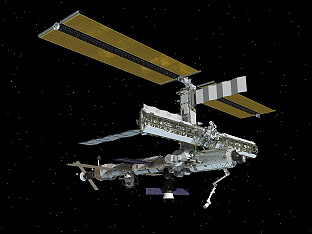
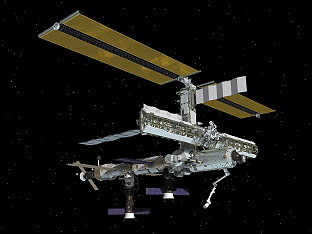
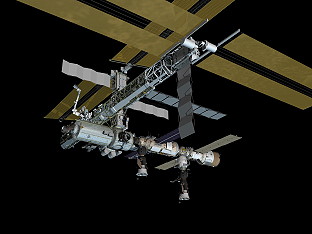
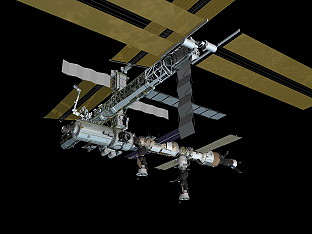
Aufbau der ISS
 |
 |
 |
 |
 |
 |
 |
 |
Fotos / Grafiken
 |
 |
|
Quello für alle Fotos ist Roskosmos / NASA |
|
 |
 |
 |
 |
 |
 |
 |
 |
 |
 |
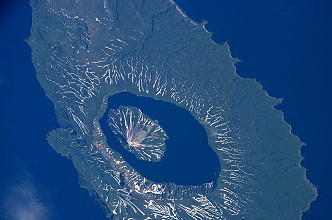
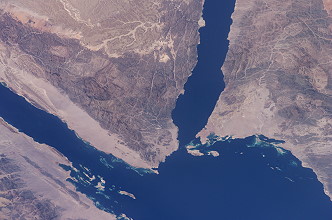
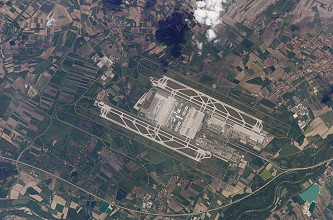
mehr Fotos Erdbeobachtung |
|
mehr EVA-Fotos |
|
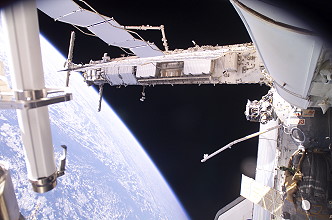
mehr Fotos von Bord der ISS |
|
| © |  |
Letztes Update am 10. November 2023.  |
 |