Besatzungen der ISS

ISS: Expedition 26 |
 |
 |
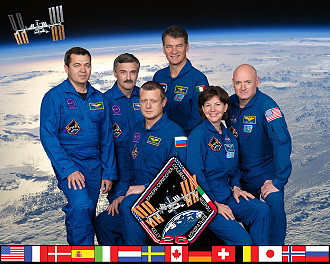 |
alternatives Crewfoto |
|
 |
 |
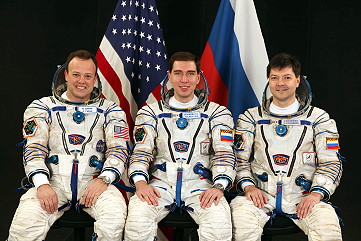
Besatzung, Start- und Landedaten
| Nr. | Nation | Name | Vorname | Position | Raumschiff (Start) |
Startdatum | Startzeit | Raumschiff (Landung) |
Landedatum | Landezeit | Flugdauer | Erdorbits |
| 1 |  |
Kelly | Scott Joseph | ISS-CDR | Sojus TMA-01M | 07.10.2010 | 23:10:54,810 UTC | Sojus TMA-01M | 16.03.2011 | 07:54:05,3 UTC | 159d 08h 43m 10s | 2509 |
| 2 |  |
Kaleri | Alexander Jurjewitsch | Bordingenieur-1 | Sojus TMA-01M | 07.10.2010 | 23:10:54,810 UTC | Sojus TMA-01M | 16.03.2011 | 07:54:05,3 UTC | 159d 08h 43m 10s | 2509 |
| 3 | |
Skripotschka | Oleg Iwanowitsch | Bordingenieur-2 | Sojus TMA-01M | 07.10.2010 | 23:10:54,810 UTC | Sojus TMA-01M | 16.03.2011 | 07:54:05,3 UTC | 159d 08h 43m 10s | 2509 |
| 4 | |
Kondratjew | Dmitri Jurjewitsch | Bordingenieur-4 | Sojus TMA-20 | 15.12.2010 | 19:09:24,963 UTC | Sojus TMA-20 | 24.05.2011 | 02:26:40,1 UTC | 159d 07h 17m 15s | 2508 |
| 5 |  |
Nespoli | Paolo Angelo | Flugingenieur-5 | Sojus TMA-20 | 15.12.2010 | 19:09:24,963 UTC | Sojus TMA-20 | 24.05.2011 | 02:26:40,1 UTC | 159d 07h 17m 15s | 2508 |
| 6 | |
Coleman | Catherine Grace "Cady" | Flugingenieurin-6 | Sojus TMA-20 | 15.12.2010 | 19:09:24,963 UTC | Sojus TMA-20 | 24.05.2011 | 02:26:40,1 UTC | 159d 07h 17m 15s | 2508 |
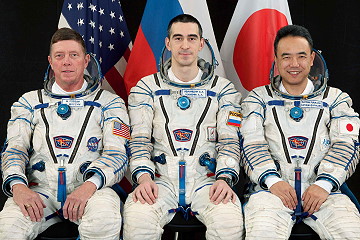
inoffizielle Ersatzmannschaft bzw. Double Crew
| Nr. | Nation | Name | Vorname | Position |
| 1 | |
Wolkow | Sergej Alexandrowitsch | ISS-CDR |
| 2 | |
Kononenko | Oleg Dmitrijewitsch | Bordingenieur |
| 3 | |
Garan | Ronald John, Jr. | Flugingenieur |
| 4 | |
Iwanischin | Anatoli Alexejewitsch | Bordingenieur |
| 5 |  |
Furukawa | Satoshi | Flugingenieur |
| 6 | |
Fossum | Michael Edward | Flugingenieur |
 |
 |
 |
Expeditionsverlauf
|
Start vom Kosmodrom Baikonur (Dmitri
Kondratjew, Paolo
Nespoli und Catherine
Coleman mit
Sojus
TMA-20). Scott
Kelly,
Alexander
Kaleri und Oleg
Skripotschka waren seit dem 10. Oktober 2010 an Bord der
Raumstation (Ankunft mit
Sojus
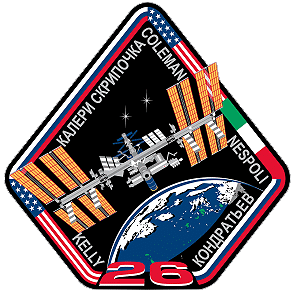
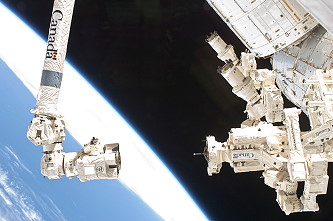
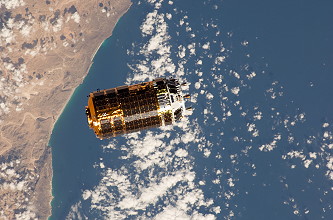
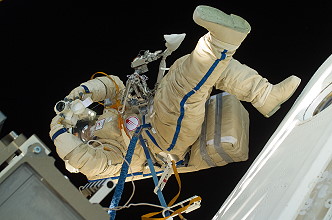
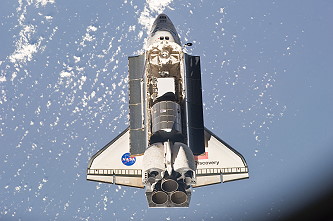
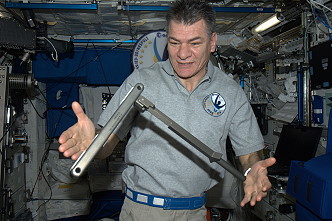
TMA-01M). Die ISS Expedition 26 begann mit der Abkopplung des russischen Raumschiffs Sojus TMA-19 am 26. November 2010 um 01:23:13 UTC, das die vorhergehende Stationsbesatzung (Fjodor Jurtschichin, Shannon Walker und Douglas Wheelock) zurück zur Erde brachte. Am 17. Dezember 2010 wurde die Besatzung der ISS mit der Ankunft von Sojus TMA-20 wieder auf sechs Personen aufgestockt. Zur Besatzung gehörten der Russe Dmitri Kondratjew, der Italiener Paolo Nespoli sowie die amerikanische Astronautin Catherine Coleman. Die erste EVA durch Dmitri Kondratjew und Oleg Skripotschka erfolgte am 21. Januar 2011 (5h 23m) zur Fertigstellung der Installation eines neuen Hochgeschwindigkeits-Übertragungssystems, Entfernung eines alten Plasma Pulse Experiments, Installation einer Kamera für das neue Rasswet Andockmodul und Bergung von einem Materialforschungsexperiment. Am 27. Januar 2011 erreichte das japanische Transportmodul HTV-2 "Kounotori2" die Internationale Raumstation und wurde von Catherine Coleman und Paolo Nespoli mit Hilfe des Greifarms Canadarm2 um 11:41 UTC an der Station befestigt. Es war am 22. Januar 2011 um 05:37:57 UTC vom japanischen Raumfahrtzentrum Tanegashima gestartet worden. Kounotori-2 führte 5,3 Tonnen Fracht im unter Luftdruck stehenden Bereich und 1,3 Tonnen Fracht im übrigen Teil des Moduls mit. Darunter befanden sich Ersatzteile, Lebensmittel, Wasser und wissenschaftliche Experimente. Am 28. März 2011 wurde der Transporter um 15:29 UTC wieder abgekoppelt und mit dem Greifarm der Station um 15:46 UTC auf eine eigene Umlaufbahn ausgesetzt. Am 30. März 2011 wurde es zu einem kontrollierten Absturz gebracht. Der unbemannte russische Frachter Progress M-09M legte am 30. Januar 2011 um 02:38:50 UTC an der Internationalen Raumstation an. Er war am 28. Januar 2011 um 01:31:39 UTC vom Kosmodrom Baikonur gestartet. Das Transport-Raumschiff brachte 2.666 Kilogramm Fracht, bestehend aus 1.444 Kilogramm Ausrüstungsgegenständen, 752 Kilogramm Treibstoff, 50 Kilogramm Sauerstoff und 420 Kilogramm Wasser zur Stammbesatzung. Am 22. April 2011 um 11:41 UTC koppelte Progress M-09M wieder ab und wurde danach noch für wissenschaftliche Experimente genutzt. Der Frachter wurde kontrolliert zum Absturz gebracht und verglühte am 26. April 2011 über dem Pazifischen Ozean. Die zweite und letzte EVA unternahmen Dmitri Kondratjew und Oleg Skripotschka am 16. Februar 2011 (4h 51m) zur Installation von zwei Experimenten. Eines davon soll seismische Daten zur Vorhersage von Erdbeben sammeln. Das zweite Experiment soll nach Gamma-Strahlen suchen und Daten über Blitze und Gewitter erheben. Weiterhin bargen sie dem Weltraum ausgesetzte Verkleidungen zur Erforschung besserer Materialien für den Bau von Langzeit-Raumschiffen. Letztlich setzten die Kosmonauten ein Experiment mit dem Namen ARISSat-1, oder Radioskaf-W aus. Hierbei handelt es sich um einen 25,8 kg schweren Nanosatelliten, der den Austausch von Nachrichten anlässlich des 50. Jahrestages der Eroberung des Weltraums durch den Menschen durch Juri Gagarin ermöglichen soll. Am 24. Februar 2011 15:59 UTC erreichte das europäische Transportmodul ATV-2 "Johannes Kepler" die Internationale Raumstation. Der unbemannte Frachter war am 16. Februar 2011 um 21:51 UTC vom europäischen Startgelände in Französisch-Guyana mit einer Ariane V ins All befördert worden. Johannes Kepler beförderte rund 7 Tonnen Fracht, darunter Lebensmittel, Kleidung, Wasser, Sauerstoff, Hardware für Experimente, Ersatzteile und persönliche Pakete für die Besatzungsmitglieder zur Internationalen Raumstation. Die Triebwerke von Johannes Kepler wurden auch genutzt, um die Umlaufbahn der ISS anzuheben. Am 20. Juni 2011 um 14:46 UTC koppelte Johannes Kepler wieder von der ISS ab und wurde am nächsten Tag kontrolliert über den Südpazifik zum Absturz gebracht. STS-133 koppelte am 26. Februar 2011 an die Internationale Raumstation an. Bei der Mission STS-133 (ISS ULF-5 / ELC-4) wurden der vierte EXPRESS Logistics Carrier (ELC-4) sowie Versorgungsgüter mit dem PMM Leonardo zur Internationalen Raumstation gebracht. Das PMM Leonardo verbleibt dauerhaft an der ISS. Eine besondere Nutzlast im Inneren von Leonardo war ein von NASA und General Motors gemeinsam entwickelter humanoider Roboter mit der Bezeichnung Robonaut 2, welcher nach Rückkehr des Shuttles zur Erde von den ISS-Besatzungen getestet wurde. Die EXPRESS Logistics Carriers (ELC) (EXpedite the PRocessing of Experiments to the Space Station) sind externe Transport- und Trägerplattformen für Experimente und Ersatzteile, so genannte ORUs, auf der Internationalen Raumstation ISS. Ein ELC besteht jeweils aus einer grauen, quaderförmigen Gitterstruktur, auf der sich gewünschte Elemente positionieren lassen, wobei auf jeder Gitterfläche in etwa ein halbes Dutzend Bauteile Platz findet. Außerdem sind zur Montage der Plattform und anderen Arbeiten Haltepunkte für den Greifarm angebracht. Die ersten beiden, ELC-1 und ELC-2, wurden am 18. November 2009 mit der Space-Shuttle-Mission STS-129 zur ISS transportiert. ELC-4 folgte am 26. Februar 2011 mit STS-133. ELC-3 wurde am 18. Mai 2011 während der Shuttle-Mission STS-134 an der ISS montiert. Während ELC-1 unten (Nadir) und ELC-3 oben (Zenit) am P3-Element der Integrated Truss Structure montiert wurde, befestigte man ELC-2 oben und ELC-4 unten am gegenüberliegenden S3-Truss. Die ELCs sind 1,6 Tonnen schwer, 4 mal 5 Meter groß, besitzen viereinhalb Tonnen Nutzlastkapazität und 30 Kubikmeter Stauraum. Mit seinen menschenähnlichen Händen soll Robonaut 2 dieselben Werkzeuge benutzen wie die menschliche ISS-Besatzung. Der Robonaut 2 ist modular aufgebaut, sodass etwa die Arme, der "Kopf" oder der Torso ausgetauscht werden können. Nach der Ankunft an der ISS wurden zunächst einige Versuchsreihen durchgeführt, wonach der Robonaut durch Austausch einzelner Module schrittweise modifiziert wurde. Nachdem er zunächst fest auf einer Basis installiert wurde, sollten auf diese Weise Beine zur Fortbewegung in der Station hinzukommen. Später soll Robonaut 2 auf die gleiche Art zu Außenbordeinsätzen befähigt werden. Der Robonaut 2 besitzt Kameras und kann aufgrund der zugrundeliegenden Bildanalyse eigenständig entscheiden, welche Aktionen auszuführen sind. Die dazu nötige komplexe Bildverarbeitung wurde von der NASA mit der deutschen Softwarebibliothek für die Bildverarbeitung HALCON von MVTec umgesetzt. Diese Bildverarbeitungssoftware setzt das Gesehene in Echtzeit in Motorik-Befehle um. So ist der Robonaut 2 in der Lage, einen Text in ein Handy einzugeben, Schalter zu erkennen und zu bedienen sowie Werkzeuge aufzunehmen und einzusetzen. Der Robonaut 2 kann also selbstgesteuert Arbeiten übernehmen, beispielsweise außerhalb der Raumstation. Dort soll er tatsächlich eingesetzt werden, um die Astronauten zu entlasten. In Zusammenarbeit mit der italienischen Raumfahrtagentur modifizierte die NASA das MPLM Leonardo. Für den permanenten Verbleib an der ISS mussten die Schilde gegen Weltraummüll und Mikrometeoriten verstärkt werden. Außerdem wurden nicht mehr benötigte Komponenten aus dem Modul entfernt, um mehr Fracht transportieren zu können. An Bord der ISS dient das Modul seither als Arbeits-, Wohn- und Stauraum für die Astronauten und Kosmonauten. In der Nähe der Station führte Steven Lindsey ein spektakuläres 360°-Manöver - das Rendezvous Pitch Maneuver (RPM) - durch, wobei er die Raumfähre innerhalb weniger Minuten um ihre Querachse drehen ließ. Die Besatzung der Raumstation fertigte währenddessen hochauflösende Aufnahmen des Shuttle-Hitzeschildes an. Die Aufnahmen wurden später zur Erde übertragen und von Fachleuten ausgewertet. Mit einer direkt vor der ISS reduzierten Annäherungsgeschwindigkeit auf zuletzt nur noch 3 Zentimeter pro Sekunde flog der Orbiter auf den Ankopplungsstutzen der Internationalen Raumstation zu. Wie die Kommandanten bei allen Kopplungsmissionen steuerte er den Raumgleiter von der hinteren Konsole im Flugdeck aus, weil er von dort freie Sicht auf die Raumstation hatte. Ohne Probleme konnte er sein Raumschiff an die ISS ankoppeln. Zum ersten Kontakt (Soft Capture) kam es um 19:14 UTC, jedoch musste man aufgrund der relativen Bewegungen zwischen Station und Shuttle etwa 40 Minuten warten, bis man den Andockring des Shuttles einfahren konnte um die verbleibende Lücke zu schließen (Hard Dock). Man begann danach die Vorbereitung zum Öffnen der Luken, sodass die Besatzungen von STS-133 und ISS Expedition 26 sich um 21:16 UTC begrüßen konnten. Mit der Discovery befanden sich erstmals sieben individuelle Raumfahrzeuge (Neben ihr je zwei Sojus- und Progress-Raumschiffe sowie einem Automated Transfer Vehicle und einem H-2 Transfer Vehicle) mit einer Gesamtmasse von etwa 530 Tonnen an der Raumstation. Dies entspricht knapp dem Abfluggewicht eines Airbus A380. Nach der üblichen Sicherheitseinweisung wurde, trotz Überschreitung der normalen Arbeitszeit, von Michael Barratt und Nicole Stott noch am selben Tag mit Hilfe des Greifarms der Raumstation der Express Logistic Carrier 4 aus der Ladebucht des Space Shuttle gelöst. Die Astronauten übergaben ihn dem Greifarm des Shuttle, der von Alvin Drew und Eric Boe gesteuert wurde. Von dort wurde der ELC-4 zur Installation auf die zur Erde zeigende Seite des Steuerbord-Truss manövriert. Dort dient er als Ersatzteil-Plattform, auf der auch eine Reserve-Heizung lagert, die mit der Discovery mitgebracht wurde. Die erste EVA durch Stephen Bowen und Alvin Drew wurde am 28. Februar 2011 (6h 34m) unternommen. Sie installierten ein Verlängerungskabel zwischen Unity und Tranquility, um bei Bedarf eine zusätzliche Energiequelle zu haben. Beide transportierten danach die defekte Ammoniak-Kühlpumpe, die im August 2010 noch zwischengelagert wurde, zur Quest Airlock. Alvin Drew und Stephen Bowen installierten dann eine kleine Hardware unterhalb der Kamera auf der Gitterstruktur ITS. Die Kamera wurde durch dieses Teil leicht gekippt, um Platz zu schaffen für ein etwas größeres Ersatzteil, das bei einer zukünftigen Mission geliefert wurde. Zudem wurde ein Steuerungssystem, das für das Steuern des Schienenkarrens längs der Gitterstruktur ITS benötigt wird, ersetzt. Diese Steuerung war während Arbeiten am Solar Alpha Rotary Joint der Steuerbordseite, entfernt worden. Am 01. März 2011 versetzten Michael Barratt und Nicole Stott mit Hilfe des Roboterarms der Raumstation eine Haltevorrichtung auf das Permanent Multipurpose Module (PMM). Das mit 12.860 kg voll beladene Modul wurde aus der Ladebucht der Discovery gehoben und am Unity-Andockstutzen dauerhaft befestigt. Die zweite und letzte EVA dieses Fluges durch Stephen Bowen und Alvin Drew erfolgte am 02. März 2011 (6h 14m). Die Astronauten beseitigten Isolationsmaterial von einer Plattform. Stephen Bowen wechselte einen Befestigungsbügel am Columbus Modul. Danach installierte er eine Kameravorrichtung am Dextre Roboter und entfernte Isolationsmaterial von der elektronischen Plattform von Dextre. Alvin Drew installierte eine Lampe an das CETA und reparierte ein Ventil auf der Gitterstruktur ITS, indem Isolationsmaterial ausgebessert wurde. Danach entfernte er noch Isolationsmaterial von Tranquility. Die letzte Aufgabe stellte das "Befüllen" einer Spezialflasche dar. Das war eine japanische Unterrichts-Payload. Die Flasche wurde später in einem Museum auf der Erde ausgestellt. Am 07. März 2011 koppelte die STS-133-Besatzung mittels Federkraft wieder von der ISS ab. Dadurch werden Beschädigungen oder Verunreinigungen der Station vermieden. Erst danach wurden die Steuerungstriebwerke aktiviert und die Raumfähre entfernte sich von ihr bis zu einer Distanz von etwa 150 Meter. Von dort aus umflog Eric Boe die Orbitalstation eineinhalb Mal, ehe die Triebwerke der Discovery erneut gezündet wurden und der Raumgleiter seine Distanz vergrößerte. Der Orbiter stoppte dann in einer Entfernung von etwa 75 Kilometer. Mit Hilfe des OBSS wurde eine letzte Überprüfung des Hitzeschutzschildes vorgenommen. Im Notfall hätte das Space Shuttle zur Internationalen Raumstation zurückkehren können. Nach der Übergabe des Kommandos über die Internationale Raumstation von dem amerikanischen Astronauten Scott Kelly an den russischen Kosmonauten Dmitri Kondratjew legte das Raumschiff Sojus TMA-01M am 16. März 2011 um 04:27:08 UTC mit Scott Kelly, Alexander Kaleri und Oleg Skripotschka an Bord von der Station ab. Die Expedition 26 der ISS war damit beendet und es begann die ISS Expedition 27. Während ihres Aufenthaltes an Bord der ISS führten die Crews der Expeditionen 25 / 26 folgende wissenschaftliche Experimente durch (vollständige Auflistung): 3D-Space (Mental Representation of Spatial Cues During Space Flight), ALTEA-Dosi (Anomalous Long Term Effects in Astronauts' - Dosimetry), ALTEA-Shield (Anomalous Long Term Effects in Astronauts' Central Nervous System - Shield), ARISS (Amateur Radio on the International Space Station), Bar (Choice and Development of Methods and Instruments to Detect the Location of a Loss of Pressurization of a Module on ISS), BCAT-5-3D-Melt (Binary Colloidal Alloy Test - 5: Three-Dimensional Melt), BCAT-5-Compete (Binary Colloidal Alloy Test - 5: Compete), BCAT-5-PhaseSep (Binary Colloidal Alloy Test-5: Phase Separation), BCAT-5-Seeded Growth (Binary Colloidal Alloy Test - 5: Seeded Growth), BCAT-6-Colloidal Disks (Binary Colloidal Alloy Test - 6 - Colloidal Disks), BCAT-6-Phase Separation (Binary Colloidal Alloy Test - 6 - Phase Separation), BCAT-6-PS-DNA (Binary Colloidal Alloy Test - 6: Polystyrene - Deoxyribonucleic Acid), BCAT-6-Seeded Growth (Binary Colloidal Alloy Test - 6: Seeded Growth), Biodegradation (Initial stage of Biodegradation and Biodeterioration in Space), Biological Rhythms (The Effect of Long-term Microgravity Exposure on Cardiac Autonomic Function by Analyzing 24-hours Electrocardiogram), Bisphosphonates (Bisphosphonates as a Countermeasure to Space Flight Induced Bone Loss), CCF (Capillary Channel Flow), CEO (Crew Earth Observations), CFE-2 (Capillary Flow Experiment - 2), CFS-A (Growth and Survival of Colored Fungi in Space), CVB (Constrained Vapor Bubble), DECLIC-ALI (DEvice for the study of Critical LIquids and Crystallization - Alice Like Insert), DECLIC-DSI (DEvice for the study of Critical LIquids and Crystallization - Directional Solidification Insert), DOSIS-DOBIES (Dose Distribution Inside ISS - Dosimetry for Biological Experiments in Space), DTN (Disruption Tolerant Networking for Space Operations), EarthKAM (Earth Knowledge Acquired by Middle School Students), EKE (Assessment of Endurance Capacity by Gas Exchange and Heart Rate Kinetics During Physical Training), EPO-Demos (Education Payload Operation - Demonstrations), FLEX (Flame Extinguishment Experiment), FLEX-2 (Flame Extinguishment Experiment - 2), Functional Task Test (Physiological Factors Contributing to Changes in Postflight Functional Performance), Hair (Biomedical Analyses of Human Hair Exposed to a Long-term Space Flight), HREP-HICO (HICO and RAIDS Experiment Payload - Hyperspectral Imager for the Coastal Ocean), HREP-RAIDS (HICO and RAIDS Experiment Payload - Remote Atmospheric and Ionospheric Detection System (RAIDS)), HydroTropi (Hydrotropism and Auxin-Inducible Gene expression in Roots Grown Under Microgravity Conditions), Hypersole (Cutaneous Hypersensitivity and Balance Control in Humans), Impuls (Impulse), Integrated Cardiovascular (Cardiac Atrophy and Diastolic Dysfunction During and After Long Duration Spaceflight: Functional Consequences for Orthostatic Intolerance, Exercise Capability and Risk for Cardiac Arrhythmias), Integrated Immune (Validation of Procedures for Monitoring Crewmember Immune Function), ISS Ham Radio (International Space Station Ham Radio), Izgib (Effect of Performance of Flight and Science Activities on the Function of On-Orbit Systems on ISS (Mathematical Model)), JAXA EPO 6 (Japan Aerospace Exploration Agency Education Payload Observation 6), Kids In Micro-g-2 (Kids In Microgravity-2 (2010-2011)), Kontur (Development of a System of Supervisory Control Over the Internet of the Robotic Manipulator in the Russian Segment of ISS), Kristallizator (Crystalization of Biological Macromolecules and Generation of Biocrystal Film in the Conditions of Microgravity), Lactolen (Influence of Factors of Space Flight on Lactolen Producer Strains), MABE (Microheater Array Boiling Experiment), MAI-75 (Space Devices and Modern Technology for Personal Communication), Matryeshka-R (Matryeshka-R), MAUI (Maui Analysis of Upper Atmospheric Injections), MAXI (Monitor of All-sky X-ray Image), MISSE-7 (Materials International Space Station Experiment - 7), Mouse Immunology-2 (Effect of Space Flight on Innate Immunity to Respiratory Viral Infections), Myco-2 (Mycological Evaluation of Crew Exposure to ISS Ambient Air - 2), NanoRacks-CubeLabs Module-10 (NanoRacks-CubeLabs_Module-10), NanoRacks-CubeLabs Module-1 and -3 (NanoRacks-CubeLabs Module-1 and -3), NanoRacks-CubeLabs Module-9 (NanoRacks-CubeLabs Module-9), Neurospat (Effect of Gravitational Context on EEG Dynamics: A Study of Spatial Cognition, Novelty Processing and Sensorimotor Integration), NLP-Cells-6 (National Laboratory Pathfinder - Cells - 6: Jatropha - 3), NLP-Vaccine-MRSA (National Laboratory Pathfinder - Vaccine - Methicillin-resistant Staphylococcus aureus), Nutrition (Nutritional Status Assessment), Otolith (Otolith Assessment During Postflight Re-adaptation), PACE (Preliminary Advanced Colloids Experiment: 100X Oil Test Target), PACE-LMM-Bio (Preliminary Advanced Colloids Experiment - Light Microscopy Module: Biological Samples), PADIAC (PAthway DIfferent ACtivators), Passages (Scaling Body-Related Actions in the Absence of Gravity), Photosynth (Photosynth™ Three-Dimensional Modeling of ISS Interior and Exterior), Pilot (Individual Characteristics of Psychophysiological Regulatory Status and Reliaility of Professional Activities of Cosmonauts in Long Duration Space Flight), Plasma Crystal (Dusty and Liquid Plasma Crystals in Conditions of Microgravity), Pro K (Dietary Intake Can Predict and Protect Against Changes in Bone Metabolism during Spaceflight and Recovery), Radioskaf (Creation of Preparation and Launch in the Prcess of Mini -Satellites), RAMBO-2 (Ram Burn Observations - 2), Reaction Self Test (Psychomotor Vigilance Self Test on the International Space Station), Relaksatia (Processes of Relaxation in the Ultraviolet Band Spectrum by High Velocity Interaction of Exhaust Products on ISS), Repository (National Aeronautics and Space Administration Biological Specimen Repository), Rusalka (Development of Methods to Determine the Carbon Dioxide and Methane (Greehouse Gases) Content in the Earths Atmosphere from On-Board ISS), SEDA-AP (Space Environment Data Acquisition Equipment - Attached Payload), SEITE (Shuttle Exhaust Ion Turbulence Experiments), SIMPLEX (Shuttle Ionospheric Modification with Pulsed Localized Exhaust Experiments), Sleep-Long (Sleep-Wake Actigraphy and Light Exposure During Spaceflight-Long), Sleep-Short (Sleep-Wake Actigraphy and Light Exposure During Spaceflight-Short), SMILES (Superconducting Submillimeter-Wave Limb-Emission Sounder), SNFM (Serial Network Flow Monitor), SODI-Colloid (Selectable Optical Diagnostics Instrument - Aggregation of Colloidal Solutions), Solar-SOLACES (Sun Monitoring on the External Payload Facility of Columbus - SOLar Auto-Calibrating EUV/UV Spectrophotometers), Solar-SOLSPEC (Sun Monitoring on the External Payload Facility of Columbus -Sun Monitoring on the External Payload Facility of Columbus -SOLar SPECtral Irradiance Measurements), SOLO (SOdium LOading in Microgravity), Sonokard (Physiological Functions (cardio-respiratory) of Humans Using Contactless Methods During Sleep in Long Duration Space Flight), SPHERES (Synchronized Position Hold, Engage, Reorient, Experimental Satellites), SPHERES-Zero-Robotics (Synchronized Position Hold, Engage, Reorient, Experimental Satellites-Zero-Robotics), Spinal Elongation (Spinal Elongation and its Effects on Seated Height in a Microgravity Environment), Sreda (Examination of the Features of IS as an Environment for Conducting Research), Ten'-Mayak (Study of Transmit/Receive Radio Signal Conditions in the Russian Segment of ISS Using the World-Wide Ham Radio Network), Thermolab (Thermoregulation in Humans During Long-Term Spaceflight), Tipologia (Study of the Typological Characteristis of ISS Crew Operators Activity at the Stages of Long Term Space Flight), Uragan (Hurricane: Experimental Development of Groundbased System of Monitoring and Predicting the Progression of a Naturally Occurring Technogenic Catastrophe), Vascular (Cardiovascular Health Consequences of Long-Duration Space Flight), VCAM (Vehicle Cabin Atmosphere Monitor), Vektor-T (Study of a High Precision System for Prediction Motion of ISS), Vessel ID System (Vessel ID System), Vessel Imaging (Vascular Echography), VO2max (Evaluation of Maximal Oxygen Uptake and Submaximal Estimates of VO2max Before, During, and After Long Duration International Space Station Missions), Vzaimodeystviye (Interactions: Monitoring of Space Crew Interactions During Extended Space Flight), Zag (Ambiguous Tilt and Translation Motion Cues After Space Flight). |
EVA-Daten
| Name | Beginn | Ende | Dauer | Mission | Schleuse | Anzug | Streifen | |
| EVA | Skripotschka, Oleg | 21.01.2011, 14:2? UTC | 21.01.2011, 19:5? UTC | 5h 23m | ISS-26 | ISS - Pirs | Orlan-MK Nr. 4 | blau |
| EVA | Kondratjew, Dmitri | 21.01.2011, 14:2? UTC | 21.01.2011, 19:5? UTC | 5h 23m | ISS-26 | ISS - Pirs | Orlan-MK Nr. 5 | rot |
| EVA | Skripotschka, Oleg | 16.02.2011, 13:3? UTC | 16.02.2011, 18:2? UTC | 4h 51m | ISS-26 | ISS - Pirs | Orlan-MK Nr. 4 | blau |
| EVA | Kondratjew, Dmitri | 16.02.2011, 13:3? UTC | 16.02.2011, 18:2? UTC | 4h 51m | ISS-26 | ISS - Pirs | Orlan-MK Nr. 5 | rot |
| Name | Beginn | Ende | Dauer | Mission | Schleuse | Anzug | Streifen | |
| EVA | Bowen, Stephen | 28.02.2011, 15:46 UTC | 28.02.2011, 22:20 UTC | 6h 34m | STS-133 | ISS - Quest | EMU Nr. 3017 | rot |
| EVA | Drew, Alvin | 28.02.2011, 15:46 UTC | 28.02.2011, 22:20 UTC | 6h 34m | STS-133 | ISS - Quest | EMU Nr. 3008 | ohne |
| EVA | Bowen, Stephen | 02.03.2011, 15:42 UTC | 02.03.2011, 21:56 UTC | 6h 14m | STS-133 | ISS - Quest | EMU Nr. 3017 | rot |
| EVA | Drew, Alvin | 02.03.2011, 15:42 UTC | 02.03.2011, 21:56 UTC | 6h 14m | STS-133 | ISS - Quest | EMU Nr. 3008 | ohne |
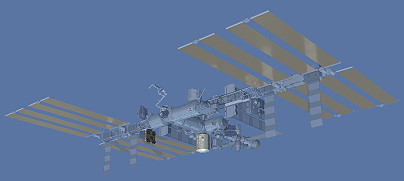
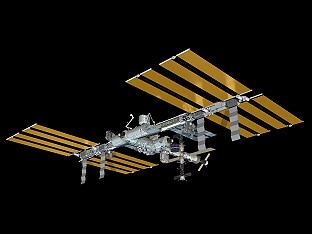
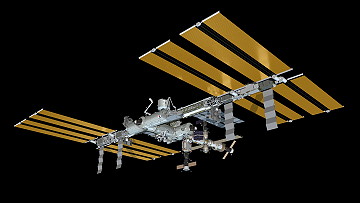
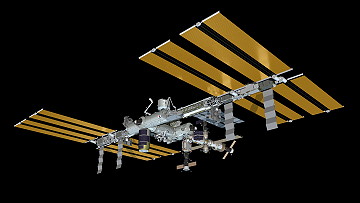
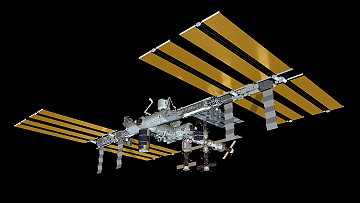
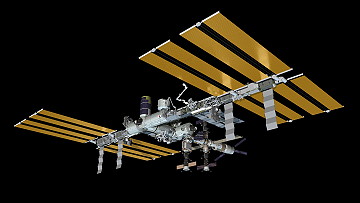
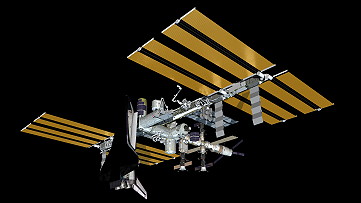
Aufbau der ISS
 |
 |
 |
 |
 |
 |
 |
 |
 |
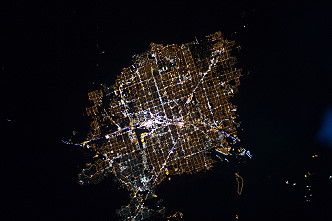
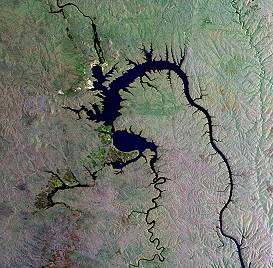
Fotos
 |
 |
|
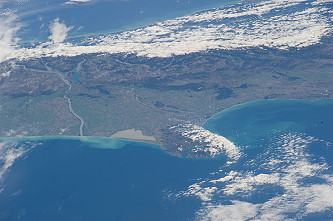
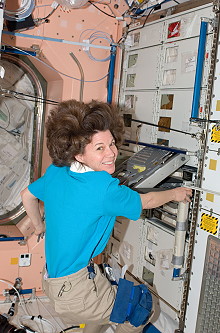
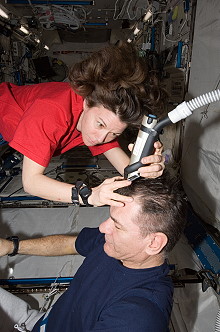
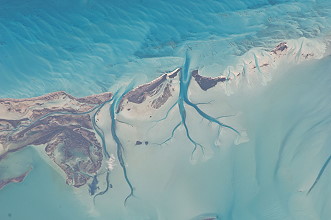
Quello für alle Fotos ist Roskosmos / NASA |
|
 |
 |
 |
 |
 |
 |
 |
 |
 |
 |
 |
 |
 |
|
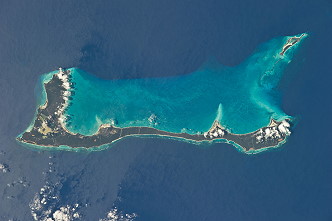
mehr Fotos Erdbeobachtung |
|
mehr EVA-Fotos |
|
mehr Fotos von Bord der ISS |
|
| © |  |
Letztes Update am 10. November 2023.  |
 |