Besatzungen der ISS

ISS: Expedition 23 |
 |
 |
 |
 |
 |
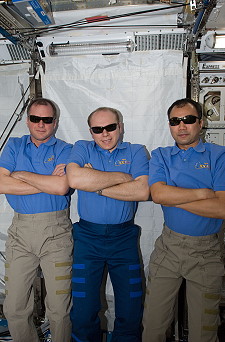
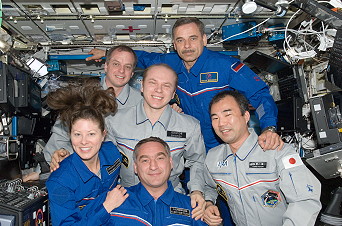
alternatives Crewfoto |
alternatives Crewfoto |
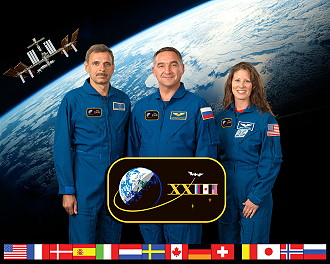 |
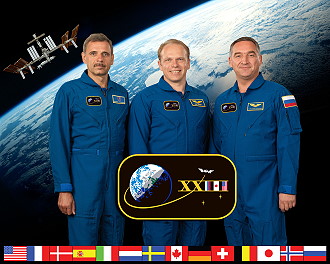 |
alternatives Crewfoto |
|
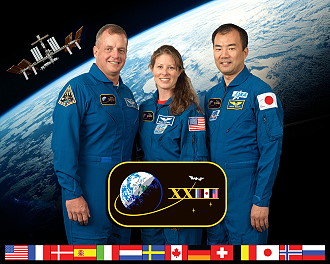 |
|
Besatzung, Start- und Landedaten
| Nr. | Nation | Name | Vorname | Position | Raumschiff (Start) |
Startdatum | Startzeit | Raumschiff (Landung) |
Landedatum | Landezeit | Flugdauer | Erdorbits |
| 1 |  |
Kotow | Oleg Walerijewitsch | ISS-CDR | Sojus TMA-17 | 20.12.2009 | 21:52:00,061 UTC | Sojus TMA-17 | 02.06.2010 | 03:24:32,2 UTC | 163d 05h 32m 32s | 2574 |
| 2 | |
Skworzow | Alexander Alexandrowitsch Jr. | Bordingenieur-1 | Sojus TMA-18 | 02.04.2010 | 04:04:33,061 UTC | Sojus TMA-18 | 25.09.2010 | 05:23:10,8 UTC | 176d 01h 18m 38s | 2756 |
| 3 |  |
Caldwell-Dyson | Tracy Ellen | Flugingenieurin -2 | Sojus TMA-18 | 02.04.2010 | 04:04:33,061 UTC | Sojus TMA-18 | 25.09.2010 | 05:23:10,8 UTC | 176d 01h 18m 38s | 2756 |
| 4 | |
Kornijenko | Michail Borissowitsch | Bordingenieur-3 | Sojus TMA-18 | 02.04.2010 | 04:04:33,061 UTC | Sojus TMA-18 | 25.09.2010 | 05:23:10,8 UTC | 176d 01h 18m 38s | 2756 |
| 5 |  |
Noguchi | Soichi | Flugingenieur -5 | Sojus TMA-17 | 20.12.2009 | 21:52:00,061 UTC | Sojus TMA-17 | 02.06.2010 | 03:24:32,2 UTC | 163d 05h 32m 32s | 2574 |
| 6 | |
Creamer | Timothy John "TJ" | Flugingenieur -6 | Sojus TMA-17 | 20.12.2009 | 21:52:00,061 UTC | Sojus TMA-17 | 02.06.2010 | 03:24:32,2 UTC | 163d 05h 32m 32s | 2574 |
inoffizielle Ersatzmannschaft bzw. Double Crew
| Nr. | Nation | Name | Vorname | Position |
| 1 | |
Schkaplerow | Anton Nikolajewitsch | ISS-CDR |
| 2 | |
Samokutjajew | Alexander Michailowitsch | Bordingenieur |
| 3 | |
Kelly | Scott Joseph | Flugingenieur |
| 4 | |
Borissenko | Andrej Iwanowitsch | Bordingenieur |
| 5 | |
Furukawa | Satoshi | Flugingenieur |
| 6 | |
Wheelock | Douglas Harry | Flugingenieur |
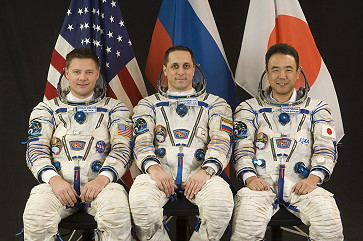 |
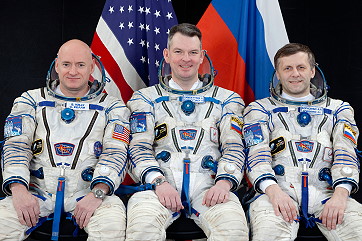 |
|
Quelle: Roscosmos PAO |
 |
Expeditionsverlauf
|
Start vom Kosmodrom Baikonur (Alexander
Skworzow, Michail
Kornijenko und Tracy
Caldwell-Dyson mit
Sojus
TMA-18). Oleg
Kotow,
Soichi
Noguchi und Timothy
Creamer waren seit dem 22. Dezember 2009 an Bord der
Raumstation (Ankunft mit
Sojus
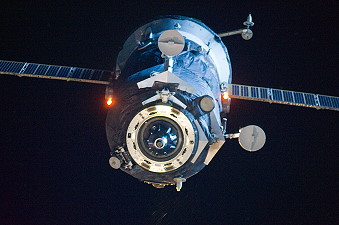
TMA-17). Die ISS Expedition 23 begann mit der Abkopplung des russischen Raumschiffs Sojus TMA-16 am 18. März 2010 um 08:03:03 UTC, das die vorhergehende Stationsbesatzung (Jeffrey Williams und Maxim Surajew) zurück zur Erde brachte. Am 04. April 2010 wurde die Besatzung der ISS mit der Ankunft von Sojus TMA-18 wieder auf sechs Personen aufgestockt. Zur Besatzung gehörten die Russen Alexander Skworzow, Michail Kornijenko sowie die amerikanische Astronautin Tracy Caldwell-Dyson. Der Raumgleiter STS-131 erreichte die Internationale Raumstation am 07. April 2010. Bei der Mission STS-131 (ISS-MPLM Leonardo) wurden das Logistikmodul Leonardo sowie der LMC-Träger genutzt, um Fracht zur ISS zu bringen. Darunter befand sich unter anderem ein Ammoniaktank, der mit STS-128 zur Erde zurückgeholt und nun wiederbefüllt zur Station zurückgebracht wurde. Im Rahmen von drei Weltraumausstiegen wurden der Austausch des Tanks sowie verschiedene Wartungsarbeiten an der Station durchgeführt. Das Multi-Purpose Logistics Module (MPLM) Leonardo, (Deutsch Mehrzwecklogistikmodul), wurde verwendet, um bei Space-Shuttle-Missionen Frachten zu und von der Internationalen Raumstation (ISS) in einem unter Luftdruck stehenden Raum zu transportieren. Das Modul wurde während des Transportes mit dem Shuttle in dessen Ladebucht befestigt. Nach dem Andocken an die ISS wurde das MPLM mit Hilfe des Roboterarmes Canadarm2 aus der Ladebucht gehoben und am Harmony-Modul angekoppelt. Anschließend wurde die Luke des Moduls geöffnet und die Astronauten erhielten Zugang zum MPLM, um es zu entladen sowie mit den zur Erde zu bringenden Frachten zu beladen. Bevor das Shuttle von der Station ablegte, wurde das Modul wieder in der Ladebucht befestigt und kehrte anschließend zusammen mit der Raumfähre zur Erde zurück. Der wesentliche Vorteil dieses Verfahrens lag darin, dass Transportgüter, insbesondere die sogenannten International Standard Payload Racks, direkt vom MPLM in den amerikanischen Teil der Station verladen werden konnten. Kopplungsadapter vom APAS-Typ russischer Bauart, die auch zum Andocken des Space Shuttles benutzt werden, haben einen wesentlich geringeren Durchmesser und lassen kein Verladen sperriger Gegenstände zu. Weiterhin ermöglichte der Einsatz des MPLM, nicht mehr benötigte Ausrüstung und beendete Experimente zurück zur Erde zu transportieren. Andere Transportschiffe wie die unbemannten Progress- und ATV-Frachter verglühen beim Wiedereintritt und transportieren daher ausschließlich Müll von der Station ab. In der Nähe der Station führte Alan Poindexter ein spektakuläres 360°-Manöver - das Rendezvous Pitch Maneuver (RPM) - durch, wobei er die Raumfähre innerhalb weniger Minuten um ihre Querachse drehen ließ. Die Besatzung der Raumstation fertigte währenddessen hochauflösende Aufnahmen des Shuttle-Hitzeschildes an. Die Aufnahmen wurden später zur Erde übertragen und von Fachleuten ausgewertet. Mit einer direkt vor der ISS reduzierten Annäherungsgeschwindigkeit auf zuletzt nur noch 3 Zentimeter pro Sekunde flog der Orbiter auf den Ankopplungsstutzen der Internationalen Raumstation zu. Wie die Kommandanten bei allen Kopplungsmissionen steuerte er den Raumgleiter von der hinteren Konsole im Flugdeck aus, weil er von dort freie Sicht auf die Raumstation hatte. Ohne Probleme konnte er sein Raumschiff an die ISS ankoppeln. Direkt nach der Begrüßung durch die Mannschaft der ISS Expedition 23 wurde mit der Übertragung der Daten aus dem Rendezvous Pitch Maneuver (RPM) und aus der Inspektion des Hitzeschutzschildes des Vortages an die NASA begonnen. Dazu wurde die intakte Ku-Band-Antenne der ISS benutzt. Am 08. April 2010 wurde das Leonardo Multipurpose Logistics Module von der Ladebucht der Discovery zu einem Andockpunkt am Modul Harmony umgesetzt. Das in Italien gebaute Modul enthält mehr als 7.700 Kilogramm Versorgungsgüter. Darunter befinden sich vier Racks mit Experimenten sowie die letzten persönlichen Schlafkabinen für die Besatzung. Dies ist der letzte Einsatz des 6,4 Meter langen und 4,5 Meter breiten Moduls Leonardo. Nach der Rückkehr zur Erde wird das Modul mit einem Schutzschild an der Außenseite versehen. Die Mission STS-133 im Februar 2011 brachte Leonardo dann als dauerhaftes Modul zur Raumstation. Die erste EVA durch Richard Mastracchio und Clayton Anderson wurde am 09. April 2010 (6h 27m) unternommen. Dabei wurde mit Hilfe des Roboterarms zunächst ein Ammoniak-Tank aus der Nutzladebucht gehoben und vorübergehend an der Station verstaut. Dieses Vorgehen war nötig, da der Greifarm der ISS nicht von einer Basis aus sowohl die Nutzlastbucht als auch die endgültige Position erreichen kann, sondern die Basis wechseln muss, während sich der Tank auf der Zwischenposition befindet. Ammoniak wird benötigt, um überschüssige Wärme aus der Station zu den Radiatoren außerhalb der Station zu leiten. Dann bargen die beiden Astronauten ein Samen-Experiment von außerhalb des japanischen Labors. Anschließend wurden Haltevorrichtungen an den Ammoniak-Tank angebracht und ein defektes Gyroskop des Navigationssystems der Station ausgetauscht. Da die beiden Astronauten gut im Zeitrahmen lagen, wurden schon einige Arbeiten, die eigentlich später geplant waren, gleich mit erledigt, indem man z.B. schon 11 von 12 Befestigungsklammern löste. Zwischenzeitlich entschieden die Manager der Mission, den Flug um einen Tag zu verlängern. So sollte eine späte Inspektion des Hitzeschildes der Discovery noch während der Kopplung mit der ISS gewährleistet werden. Durch die defekte Ku-Band-Antenne der Discovery war es nötig, die Antenne der ISS zu benutzen. Es wurde weitere Fracht aus Leonardo in die Station transportiert, darunter die Window Observational Research Facility (WORF), die am gegen die Erde gerichteten Fenster des US-Moduls Destiny angebracht wurde. Richard Mastracchio und Clayton Anderson trafen Vorbereitungen für ihren nächsten Außenbordeinsatz, bei dem der neue Ammoniaktank an seine endgültige Position gebracht werden soll. Die zweite EVA durch Richard Mastracchio und Clayton Anderson erfolgte am 11. April 2010 (7h 26m). Mit Hilfe des Stationsarmes wurde der leere Ammoniaktank von der Gitterstruktur ITS abgebaut und vorübergehend auf dem CETA verstaut. Anschließend wurde der neue Tank eingesetzt und befestigt. Während dieser EVA gab es aber massive Probleme mit einem Bolzen, um den Ammoniaktank zu befestigen. Der gesamte Zeitplan geriet durcheinander, bevor es Clayton Anderson dann doch nach 1,5 Stunden noch schaffte. Kühlleitungen konnten dann aber nicht mehr verlegt werden. Mit dem Stationsarm wurde dann der leere Tank nochmals versetzt. Die dritte und letzte EVA führten Richard Mastracchio und Clayton Anderson am 13. April 2010 (6h 24m) durch. Zunächst wurden die schwierigen Arbeiten beim Wechseln des Ammoniktanks beendet. Mit Hilfe des Greifarms der Station wurde der leere Ammoniaktank in die Ladebucht des Shuttle verfrachtet. Danach wurden die Haltevorrichtungen vom alten Tank entfernt und auf der Werkzeugplattform verstaut. Richard Mastracchio und Clayton Anderson bargen zum Abschluss dieser EVA noch einige Schutzkacheln vom Quest-Modul, um sie mit zur Erde zurückzubringen. Wegen der Verzögerungen wurden die geplante Installation einer Platte sowie einer Kamerabeleuchtung an Dextre, die Entfernung von Isoliermatten und die Auswechselung eine durchgebrannte Birne an einer Kamera an der Gitterstruktur ITS nicht mehr durchgeführt. Danach versuchten die Ingenieure in der Kontrollstation ein klemmendes Ventil im Bereich des Stickstoff-Tanks zu lösen. Das Ventil ist erforderlich, um den durch die Astronauten der Discovery bei drei Außeneinsätzen von Richard Mastracchio und Clayton Anderson installierten Ammoniak-Tank unter Druck zu setzen. Nach einigen Diskussionen entschieden die Flugleiter den erwogenen zusätzlichen Weltraumspaziergang und die dadurch erforderliche weitere Flugverlängerung um einen Tag nicht durchführen zu lassen. In dieser Zeit hätte der Stickstoff-Tank im Kühlsystem der Internationalen Raumstation ausgetauscht werden können. Die Ingenieure kamen zu dem Ergebnis, dass das Kühlsystem auch ohne das klemmende Ventil für einen längeren Zeitraum sicher betrieben werden kann. Am 15. April 2010 verlegten Stephanie Wilson und Naoko Yamazaki das Leonardo Multipurpose Logistics Module mit Hilfe der Roboterarms der Raumstation zurück in die Ladebucht der Discovery, um Leonardo zurück zur Erde zu bringen. Das Logistikmodul Leonardo wurde mit erheblicher Verspätung von der ISS abgekoppelt und über Nacht in eine Parkposition über die Ladebucht der Space Shuttle gebracht. Erst am nächsten Morgen verankerten die Astronauten das Modul an der Discovery. Die Rückverlegung von Leonardo in die Ladebucht der Discovery hatte sich wegen Problemen mit den Haltebolzen des MPLM verzögert. Danach begannen Stephanie Wilson, Dorothy Metcalf-Lindenburger und Discovery Pilot James Dutton mit der späten Inspektion des Hitzeschutzschildes der Discovery. Sie arbeiteten in Schichten mit Hilfe von Kommandant Alan Poindexter und Naoko Yamazaki. Mit Hilfe des Greifarms des Space Shuttle suchten sie den Hitzeschild nach möglichen Beschädigungen ab. Die für sieben Stunden angesetzte Inspektion war drei Stunden schneller als vorgesehen abgeschlossen. Die Arbeit wurde während der Ankopplung der Discovery an die Raumstation vorgenommen, weil die Ku-Band Antenne des Shuttles nicht funktionierte und daher die Bilder und Daten über die Antenne der Station zur Erde geschickt werden mussten. Am 17. April 2010 koppelte die STS-131-Besatzung mittels Federkraft wieder von der ISS ab. Dadurch wurden Beschädigungen oder Verunreinigungen der Station vermieden. Erst danach wurden die Steuerungstriebwerke aktiviert und die Raumfähre entfernte sich von ihr bis zu einer Distanz von etwa 150 Meter. Von dort aus umflog James Dutton die Orbitalstation eineinhalb Mal, ehe die Triebwerke der Discovery erneut gezündet wurden und der Raumgleiter seine Distanz vergrößerte. Die sonst nach der Abkopplung übliche letzte Überprüfung des Hitzeschutzschildes mit dem OBSS war wegen des Ausfalls der Ku-Band-Antenne vorgezogen worden. Der unbemannte russische Frachter Progress M-05M legte am 01. Mai 2010 um 18:30 UTC an der Internationalen Raumstation an. Etwa einen Kilometer vor der ISS versagte das automatische System Kurs, sodass Oleg Kotow den Frachter manuell mit dem TORU-System ankoppeln musste. Er war am 28. April 2010 um 17:15 UTC vom Kosmodrom Baikonur gestartet. Das Transport-Raumschiff brachte Lebensmittel, Wasser, Sauerstoff, Bücher und DVDs zur Stammbesatzung. Am 25. Oktober 2010 um 14:25 UTC koppelte Progress M-05M wieder ab und blieb noch etwa drei Wochen in einem niedrigen Orbit. Dort wurde Progress für geophysikalische Experimente verwendet. Der Frachter wurde kontrolliert zum Absturz gebracht und verglühte am 15. November 2010 über dem Pazifischen Ozean. Am 12. Mai 2010 verlegte die Stammbesatzung der Internationalen Raumstation das Raumschiff Sojus TMA-17 an einen anderen Andockpunkt, um Platz für die Installation des Modul Rasswet durch die Besatzung der Mission STS-132 zu schaffen. Mit STS-132 koppelte am 16. Mai 2010 ein zweites Space Shuttle während dieser ISS Expedition an die Raumstation an. Die Mission STS-132 (ISS ULF-4 ICC, MRM-1 (jetzt Rasswet), ERA) brachte das in Russland gebaute Erweiterungsmodul Rasswet, das am Sarja-Modul angedockt wurde, zur Internationalen Raumstation. Mit an Bord befand sich außerdem der Integrated Cargo Carrier (ICC-VLD). Dieser brachte 6 neue Batterien zur ISS, die dieselbe Anzahl alter im P6-Segment zu ersetzen. Außerdem wurde eine neue Ku-Band-Antenne installiert. Rasswet ("Morgendämmerung") ist ein Forschungsmodul der Internationalen Raumstation (ISS) und ein Beitrag der russischen Raumfahrtbehörde Roskosmos. Andere Bezeichnungen lauten Docking Cargo Module (DCM) oder Mini Research Module 1 (MRM-1 bzw. MIM-1). Da Rasswet im Gegensatz zu den meisten anderen Modulen russischer Bauart nicht über eigene Triebwerke verfügt, erfolgte der Start an Bord eines Space Shuttles im Rahmen der Mission STS-132. Im Gegenzug wurde der Innenraum Rasswets für den Transport von amerikanischer Ausrüstung reserviert. An der Außenhaut sind darüber hinaus Haltepunkte für den Transport einer Luftschleuse, eines Radiators und von Ersatzteilen für den europäischen Roboterarm ERA installiert. Die Startmasse von Rasswet betrug etwa 7,9 Tonnen. Die Installation an der ISS erfolgte genau wie die Umsetzung anderer Module mit Hilfe des großen Roboterarms Canadarm2. Die mitgeführte Luftschleuse für Forschungszwecke wird nach der Installation von Nauka an den freien Kopplungspunkt des MLMs verlegt und der Radiator an dessen Außenhaut angebracht. Die Leermasse von Rasswet beträgt etwa 5 Tonnen. Es ist etwa 6 Meter lang und aus Aluminiumlegierungen gefertigt. Rasswet hat einen Durchmesser von 2,35 Meter und bietet zusätzliche 17,4 m³ Stauraum und 5 Arbeitsplätze für die Astronauten. Der European Robotic Arm (ERA, englisch für Europäischer Roboterarm) ist ein von der ESA entworfener und in Europa gebauter Roboterarm, der vom russischen Segment der Internationalen Raumstation aus operieren soll. Nach derzeitigem Planungsstand soll ERA zusammen mit dem russischen Multipurpose Laboratory Module (MLM), auch Nauka genannt, an Bord einer russischen Proton-M-Rakete vom Weltraumbahnhof Baikonur aus zur Raumstation gebracht werden. Der Start des zugeteilten Aufbaufluges 3R wurde zum damaligen Zeitpunkt im NASA-Flugmanifest nach mehrfachen Verschiebungen derzeit (Stand Juli 2013) mit dem 11. Dezember 2013 angegeben. Auf Grund des Fehlstarts einer Proton-Rakete am 02. Juli 2013 wurde später mit einem Start im 1. Halbjahr 2014 gerechnet. Nach dem Vorbild des bereits an der ISS installierten kanadischen Greifarms Canadarm2 wird ERA in der Lage sein, von verschiedenen Versorgungspunkten des russischen Segmentes aus zu operieren. Dazu wird ERA sich ähnlich einer Spannerraupe anhand der sogenannten Power and Data Grapple Fixtures frei fortzubewegen. Einige der von ERA wahrgenommenen Tätigkeiten werden vollständig automatisch, also ohne die direkte Bedienung durch ein Mitglied der ISS-Besatzung, oder halbautomatisch ablaufen. Dies soll präzises Arbeiten sicherstellen und zusätzlich der Besatzung ermöglichen, anderen Tätigkeiten nachzugehen. Neben Inspektionsarbeiten und dem Transport von Experimenten wird ERA auch die Raumfahrer selbst zu ihren Einsatzorten bringen, was eine wesentlich schnellere Fortbewegung bei Außeneinsätzen ermöglicht. ERA besteht aus zwei ca. 5 m langen, symmetrische Arm-Sektionen, zwei identischen Greifern (engl. End Effectors (EE)) die auch Daten, Strom und mechanischen Antrieb auf Nutzlasten übertragen können, zwei Handgelenken mit je drei Verbindungsstellen, eine dem Ellbogen ähnliche Verbindung, einen zentralen Steuerungscomputer im Arm, vier Kameras und dazugehörige Beleuchtungseinheiten. Er hat eine Gesamtlänge von 11, 3 Meter und einen Operationsradius von 9,7 Meter. Seine Masse beträgt 630 Kilogramm und er kann eine Nutzlast von 8 Tonnen tragen. In der Nähe der Station führte Kenneth Ham ein spektakuläres 360°-Manöver - das Rendezvous Pitch Maneuver (RPM) - durch, wobei er die Raumfähre innerhalb weniger Minuten um ihre Querachse drehen ließ. Die Besatzung der Raumstation fertigte währenddessen hochauflösende Aufnahmen des Shuttle-Hitzeschildes an. Die Aufnahmen wurden später zur Erde übertragen und von Fachleuten ausgewertet. Mit einer direkt vor der ISS reduzierten Annäherungsgeschwindigkeit auf zuletzt nur noch 3 Zentimeter pro Sekunde flog der Orbiter auf den Ankopplungsstutzen der Internationalen Raumstation zu. Wie die Kommandanten bei allen Kopplungsmissionen steuerte er den Raumgleiter von der hinteren Konsole im Flugdeck aus, weil er von dort freie Sicht auf die Raumstation hatte. Ohne Probleme konnte er sein Raumschiff an die ISS ankoppeln. Etwa zwei Stunden später um 16:18 UTC wurden die Luken zwischen ISS und Atlantis geöffnet. Nach einer kurzen Willkommensfeier folgte die standardmäßige Sicherheitsunterweisung durch den Kommandanten der ISS Expedition 23 Oleg Kotow. Noch am selben Tag begann der Transfer von ersten Gütern zur ISS, darunter befanden sich auch die Raumanzüge für die folgenden drei Außenbordeinsätze (EVAs). Im Außenbereich wurde Canadarm2 benutzt, um den Integrated Cargo Carrier aus der Nutzlastbucht des Shuttles auf das Mobile Base System zu befördern. In Vorbereitung auf den ersten Außenbordeinsatz am folgenden Tag, verbrachten die Missionsspezialisten Garrett Reisman und Stephen Bowen die Nacht bei vermindertem Luftdruck in der Quest-Luftschleuse. Dadurch wird einer Dekompressionskrankheit aufgrund von Stickstoffübersättigung vorgebeugt. Die erste EVA unternahmen Garrett Reisman und Stephen Bowen am 17. Mai 2010 (7h 25m). Die beiden Astronauten begaben sich zunächst zur ICC-Frachtpalette. Von dort holten sie einen 2,7 Meter langen Antennenmast, der anschließend am Z1-Element der Station befestigt wurde. Garrett Reisman, der sich am Canadarm2 eingeklinkt hatte, wurde zurück zur Frachtpalette gefahren, um die Antennenschüssel von dort zu holen und auf dem bereits montierten Mast zu befestigen. Dies gelang nicht komplett, da sich die Verbindungsschrauben nicht vollständig anziehen ließen, weshalb die Starthalterungen, die ein Bewegen der Antenne verhindern sollten, nicht gelöst wurden. Die neue Ku-Band-Antenne dient als Ersatz für die ebenfalls auf dem Z1-Element montierte Hauptantenne. Danach befestigte Garrett Reisman eine Ersatzteilplattform für die Roboterhand Dextre am Modul Destiny. Da beide gut in der Zeit lagen, wurden zusätzliche Aufgaben in Vorbereitung des zweiten Ausstieges hinzugefügt. So wurde z.B. ein Teil der Schrauben, die die neuen Batterien an der ICC-Frachtpalette befestigten, gelöst. Am 18. Mai 2010 wurde das neue russische Modul Rasswet an die Internationale Raumstation angefügt. Kenneth Ham und Anthony Antonelli steuerten den Greifarm des Space Shuttle, um das neue Forschungsmodul aus der Ladebucht der Atlantis zu holen. Dann übergaben sie das Modul an den von Garrett Reisman und Piers Sellers geführten Greifarm der Internationalen Raumstation. Dieser brachte das MRM-1 oder Rasswet zu seiner neuen Position am russischen Segment. Überwacht wurden die Arbeiten durch den Kommandanten der Expedition 23 Oleg Kotow. Vom russischen Segment aus unterstützte er das automatische Andocken und die permanente Befestigung an die Raumstation. Die zweite EVA wurde durch Stephen Bowen und Michael Good am 19. Mai 2010 (7h 09m) ausgeführt. Zunächst brachten die beiden Astronauten eine Kabelschlaufe am Kipp-Schwenk-Mechanismus des OBSS an, womit das Hauptsystem wieder voll funktionstüchtig war. Hauptaufgabe war die Auswechslung von drei der sechs Batterien am B-Teil des P6-Elements. Die jeweils 165 kg schweren Batterien der A-Seite waren bereits während STS-127 gewechselt worden. Zunächst wurde eine alte Batterie ausgebaut und zwischengelagert. Danach wurde jeweils eine neue von der ICC-Frachtpalette im P6-Element eingebaut und die alte auf der Palette verstaut. Stephen Bowen und Michael Good kamen so gut voran, dass eine Batterie mehr als geplant gewechselt werden konnte, sodass für die dritte EVA nur zwei übrigblieben. Nachdem diese Aufgabe abgeschlossen war, begaben sich beide zur neuen Ku-Band-Antenne auf dem Z1-Element, um die Montage zu beenden. Nachdem sie die Verbindungsschrauben vollständig angezogen hatten, was im ersten Ausstieg nicht gelungen war, entfernten sie die Transporthalterungen und bereiteten die Antenne auf ihren Einsatz vor. Am Flugtag 7 wurden die Luken zu Rasswet geöffnet und die Besatzung betrat das Modul zum ersten Mal. Später am Tag breiteten sich Michael Good und Garrett Reisman für den dritten Außenbordeinsatz vor und begaben sich zum Campout in die Luftschleuse Quest. Die dritte und letzte EVA erfolgte durch Michael Good und Garrett Reisman am 21. Mai 2010 (6h 46m). Der Ausstieg diente zunächst dazu, eine Ammoniaküberbrückungsleitung zwischen dem P3- und P4-Element zu installieren. Danach tauschten Michael Good und Garrett Reisman die zwei verbliebenen Batterien des P6-Elements aus und befestigten die alten auf der ICC-Frachtpalette. Nachdem diese Arbeiten abgeschlossen waren, begaben sich beide in die Ladebucht der Atlantis, um eine Greifhalterung für den Canadarm2 zu holen. Diese brachten sie in die Luftschleuse Quest. Die Halterung soll bei einem späteren Außenbordeinsatz der ISS-Expedition am Sarja-Modul montiert werden. Als Zusatzaufgabe verstauten sie Werkzeuge an ihrem vorgesehenen Platz am Z1-Element. Am neunten Flugtag wurde zunächst die ICC-Frachtpalette mit dem Canadarm2 wieder in der Ladebucht der Atlantis verstaut. Später fanden Transferarbeiten vom Mitteldeck des Shuttles und zurück zur Station statt. Zudem beantworteten die Astronauten Fragen von Schülern. Am 23. Mai 2010 koppelte die STS-132-Besatzung mittels Federkraft wieder von der ISS ab. Dadurch wurden Beschädigungen oder Verunreinigungen der Station vermieden. Erst danach wurden die Steuerungstriebwerke aktiviert und die Raumfähre entfernte sich von ihr bis zu einer Distanz von etwa 150 Meter. Von dort aus umflog Anthony Antonelli die Orbitalstation eineinhalb Mal, ehe die Triebwerke der Atlantis erneut gezündet wurden und der Raumgleiter seine Distanz vergrößerte. Der Orbiter stoppte dann in einer Entfernung von etwa 75 Kilometer. Mit Hilfe des OBSS wurde eine letzte Überprüfung des Hitzeschutzschildes vorgenommen. Im Notfall hätte das Space Shuttle zur Internationalen Raumstation zurückkehren können. Nach der Übergabe des Kommandos über die Internationale Raumstation von dem russischen Kosmonauten Oleg Kotow an den russischen Kosmonauten Alexander Skworzow legte das Raumschiff Sojus TMA-17 am 02. Juni 2010 um 00:04:13 UTC mit Oleg Kotow, Soichi Noguchi und Timothy Creamer an Bord von der Station ab. Die Expedition 23 der ISS war damit beendet und es begann die ISS Expedition 24. Während ihres Aufenthaltes an Bord der ISS führten die Crews der Expeditionen 23 / 24 folgende wissenschaftliche Experimente durch (vollständige Auflistung): 3D-Space (Mental Representation of Spatial Cues During Space Flight), ALTEA-Dosi (Anomalous Long Term Effects in Astronauts' - Dosimetry), ALTEA-Shield (Anomalous Long Term Effects in Astronauts' Central Nervous System - Shield), APEX-CSA2 (Advanced Plant Experiment - Canadian Space Agency 2), ARISS (Amateur Radio on the International Space Station), Aryl (Influencing Factors of Space Flight on Expression of Strains of Interleukin), Astrovakcina (Cultivation in Weightless of E.coli- Producer of the Caf1 Protein), Bacteriophage (Investigation of the Effects of Space Flight Factors on Bacteriophages), Bar (Choice and Development of Methods and Instruments to Detect the Location of a Loss of Pressurization of a Module on ISS), Bif (Investigation of the Effects of Space Flight Factors on the Technological and Biomedical Characteristics of Bifidobacterium), Biodegradation (Initial stage of Biodegradation and Biodeterioration in Space), Bioemulsia (Research and Development of a Self-Contained Reactor of the Shielded Type For Production of Biomass of Microorganisms and Biologically Active Substances), Biological Rhythms (The Effect of Long-term Microgravity Exposure on Cardiac Autonomic Function by Analyzing 24-hours Electrocardiogram), Biorisk (Influence of Factors of the Space Environment on the Condition of the System of Microorganisms-Hosts Relating to the Problem of Environmental Safety of Flight Techniques and Planetary Quarantine), BISE (Bodies In the Space Environment: Relative Contributions of Internal and External Cues to Self - Orientation, During and After Zero Gravity Exposure), Bisphosphonates (Bisphosphonates as a Countermeasure to Space Flight Induced Bone Loss), BRIC-16-Cytoskeleton (Biological Research In Canisters - 16: Investigations of the plant cytoskeleton in microgravity with gene profiling and cytochemistry), BRIC-16-DNA (Biological Research In Canisters - 16: The Impact of Spaceflight on Arabidopsis: Deep Sequencing and DNA Arrays as Collaborative Readouts of the Transcriptome of Arabidopsis Seedlings and Undifferentiated Cells in Space), BRIC-16-Regulation (Biological Research In Canisters -16: Actin Regulation of Arabidopsis Root Growth and Orientation During Space Flight), BTN-M1 (Examination of the Flow of High Speed and Thermal Neutrons), CEO (Crew Earth Observations), CSLM-2 (Coarsening in Solid Liquid Mixtures-2), CVB (Constrained Vapor Bubble), DECLIC-ALI (DEvice for the study of Critical LIquids and Crystallization - Alice Like Insert), DECLIC-DSI (DEvice for the study of Critical LIquids and Crystallization - Directional Solidification Insert), DECLIC-HTI (DEvice for the study of Critical LIquids and Crystallization - High Temperature Insert), DOSIS-DOBIES (Dose Distribution Inside ISS - Dosimetry for Biological Experiments in Space), DTN (Disruption Tolerant Networking for Space Operations), Dykhanie (Regulation and Biomechanics of Respiration in Space Flight), EarthKAM (Earth Knowledge Acquired by Middle School Students), EKE (Assessment of Endurance Capacity by Gas Exchange and Heart Rate Kinetics During Physical Training), Ekon (Experimental Survey on Evaluating the Possibility of Using th Russian Segment of ISS for Environmental Inspection of Work Areas of Various Facilities (Features)), EPO-Cloud Observation-Demos (Education Payload Operations-Cloud Observation-Demonstrations), EPO-Demos (Education Payload Operation - Demonstrations), ERB-2 (Erasmus Recording Binocular - 2), ExPRESS Payload Simulator (ExPRESS Payload Simulator), Facet (Investigation of Mechanism of Faceted Cellular Array Growth), Ferulate (Regulation by Gravity of Ferulate Formation in Cell Walls of Rice Seedlings), Fish Scales (Investigation of the Osteoclastic and Osteoblastic Responses to Microgravity Using Goldfish Scales), FLEX (Flame Extinguishment Experiment), FLEX-2 (Flame Extinguishment Experiment - 2), Functional Task Test (Physiological Factors Contributing to Changes in Postflight Functional Performance), Genara-A (Gravity Related Genes in Arabidopsis - A), HREP-HICO (HICO and RAIDS Experiment Payload - Hyperspectral Imager for the Coastal Ocean), HREP-RAIDS (HICO and RAIDS Experiment Payload - Remote Atmospheric and Ionospheric Detection System (RAIDS)), HydroTropi (Hydrotropism and Auxin-Inducible Gene expression in Roots Grown Under Microgravity Conditions), Hypersole (Cutaneous Hypersensitivity and Balance Control in Humans), Impuls (Impulse), Integrated Cardiovascular (Cardiac Atrophy and Diastolic Dysfunction During and After Long Duration Spaceflight: Functional Consequences for Orthostatic Intolerance, Exercise Capability and Risk for Cardiac Arrhythmias), Integrated Immune (Validation of Procedures for Monitoring Crewmember Immune Function), IVGEN (IntraVenous Fluid GENeration for Exploration Missions), Izgib (Effect of Performance of Flight and Science Activities on the Function of On-Orbit Systems on ISS (Mathematical Model)), JAXA-AstroReport (Japan Aerospace and Exploration Agency - Astronaut Report), JAXA EPO 1 (Japan Aerospace Exploration Agency Education Payload Observation 1), JAXA EPO 2 (Japan Aerospace Exploration Agency Education Payload Observation 2), JAXA EPO 3 (Japan Aerospace Exploration Agency Education Payload Observation 3), JAXA EPO 5 (Japan Aerospace Exploration Agency Education Payload Observation 5), JAXA PCG (Japan Aerospace Exploration Agency Protein Crystal Growth), Kids In Micro-g (Kids In Micro-gravity (2009-2010)), Kontur (Development of a System of Supervisory Control Over the Internet of the Robotic Manipulator in the Russian Segment of ISS), Lactolen (Influence of Factors of Space Flight on Lactolen Producer Strains), MAI-75 (Space Devices and Modern Technology for Personal Communication), MAXI (Monitor of All-sky X-ray Image), Micro-2 (Gravitational Effects on Biofilm Formation During Space Flight), MISSE-7 (Materials International Space Station Experiment - 7), Mouse Immunology (Mouse Antigen-Specific CD4+ T Cell Priming and Memory Response during Spaceflight), MSL-CETSOL and MICAST (Materials Science Laboratory - Columnar-to-Equiaxed Transition in Solidification Processing and Microstructure Formation in Casting of Technical Alloys under Diffusive and Magnetically Controlled Convective Conditions), MyoLab (Molecular Mechanism of Microgravity-Induced Skeletal Muscle Atrophy - Physiological Relevance of Cbl-b Ubiquitin Ligase), NanoRacks-CubeLabs Module-1 and -3 (NanoRacks-CubeLabs Module-1 and -3), NanoRacks-CubeLabs Module-2 and -4 (NanoRacks-CubeLabs Module-2 and -4), Nanoskeleton (Production of High Performance Nanomaterials in Microgravity), NeuroRad (Biological Effects of Space Radiation and Microgravity on Mammalian Cells), NLP-Cells-3 (National Laboratory Pathfinder - Cells - 3: Jatropha Biofuels), NLP-Cells-4 (National Laboratory Pathfinder - Cells - 4: Jatropha-2), NLP-Vaccine-MRSA (National Laboratory Pathfinder - Vaccine - Methicillin-resistant Staphylococcus aureus), NLP-Vaccine-Salmonella (National Laboratory Pathfinder - Vaccine - Salmonella), Nutrition (Nutritional Status Assessment), OChB (Influence of Factors of Space Flight on Superoxide Strain Producer), Otolith (Otolith Assessment During Postflight Re-adaptation), Passages (Scaling Body-Related Actions in the Absence of Gravity), Pilot (Individual Characteristics of Psychophysiological Regulatory Status and Reliaility of Professional Activities of Cosmonauts in Long Duration Space Flight), Plasma Crystal (Dusty and Liquid Plasma Crystals in Conditions of Microgravity), Pneumocard (Examination of the Influencing Factors of Space Flight on Autonomic Regulation of Blood Circulation, Respiration and Cardiac Contractile Function in Long Duration Space Flight), Poligen (Revealing Genotypical Characteristics, Defining Individual Differences in Resistance of Biological Oranisms to Factors of Long Duration Space Flight), Pro K (Dietary Intake Can Predict and Protect Against Changes in Bone Metabolism during Spaceflight and Recovery), Reaction Self Test (Psychomotor Vigilance Self Test on the International Space Station), Relaksatia (Processes of Relaxation in the Ultraviolet Band Spectrum by High Velocity Interaction of Exhaust Products on ISS), Repository (National Aeronautics and Space Administration Biological Specimen Repository), Rusalka (Development of Methods to Determine the Carbon Dioxide and Methane (Greehouse Gases) Content in the Earths Atmosphere from On-Board ISS), SAME (Smoke and Aerosol Measurement Experiment), SEDA-AP (Space Environment Data Acquisition Equipment - Attached Payload), SIMPLEX (Shuttle Ionospheric Modification with Pulsed Localized Exhaust Experiments), Sleep-Long (Sleep-Wake Actigraphy and Light Exposure During Spaceflight-Long), Sleep-Short (Sleep-Wake Actigraphy and Light Exposure During Spaceflight-Short), SMILES (Superconducting Submillimeter-Wave Limb-Emission Sounder), SNFM (Serial Network Flow Monitor), SODI-Colloid (Selectable Optical Diagnostics Instrument - Aggregation of Colloidal Solutions), SOLO (SOdium LOading in Microgravity), Sonokard (Physiological Functions (cardio-respiratory) of Humans Using Contactless Methods During Sleep in Long Duration Space Flight), SpaceDRUMS (Space Dynamically Responding Ultrasonic Matrix System), SPHERES (Synchronized Position Hold, Engage, Reorient, Experimental Satellites), SPHERES-Zero-Robotics (Synchronized Position Hold, Engage, Reorient, Experimental Satellites-Zero-Robotics), Spinal Elongation (Spinal Elongation and its Effects on Seated Height in a Microgravity Environment), Sreda (Examination of the Features of IS as an Environment for Conducting Research), STL-Microbial Immunity (Space Tissue Loss - Microbial Immunity), STL-Regeneration (Space Tissue Loss - Stem Cell Regeneration), TAGES (Transgenic Arabidopsis Gene Expression System), Taste In Space (Taste In Space), Thermolab (Thermoregulation in Humans During Long-Term Spaceflight), Tipologia (Study of the Typological Characteristis of ISS Crew Operators Activity at the Stages of Long Term Space Flight), Tropi (Analysis of a Novel Sensory Mechanism in Root Phototropism), Try Zero-G (Try Zero-Gravity), Uragan (Hurricane: Experimental Development of Groundbased System of Monitoring and Predicting the Progression of a Naturally Occurring Technogenic Catastrophe), Vascular (Cardiovascular Health Consequences of Long-Duration Space Flight), VCAM (Vehicle Cabin Atmosphere Monitor), Vektor-T (Study of a High Precision System for Prediction Motion of ISS), Vessel ID System (Vessel ID System), Vessel Imaging (Vascular Echography), VO2max (Evaluation of Maximal Oxygen Uptake and Submaximal Estimates of VO2max Before, During, and After Long Duration International Space Station Missions), Vsplesk (Burst: Monitoring of Seismic Effects - Bursts of High Energy Particles in Low Earth Space Region (Orbit)), Vzaimodeystviye (Interactions: Monitoring of Space Crew Interactions During Extended Space Flight), WAICO (Waving and Coiling of Arabidopsis Roots at Different g-levels), Zag (Ambiguous Tilt and Translation Motion Cues After Space Flight). |
EVA-Daten
| Name | Beginn | Ende | Dauer | Mission | Schleuse | Anzug | Streifen | |
| EVA | Mastracchio, Richard | 09.04.2010, 05:31 UTC | 09.04.2010, 11:58 UTC | 6h 27m | STS-131 | ISS - Quest | EMU Nr. 3017 | rot |
| EVA | Anderson, Clayton | 09.04.2010, 05:31 UTC | 09.04.2010, 11:58 UTC | 6h 27m | STS-131 | ISS - Quest | EMU Nr. 3008 | ohne |
| EVA | Anderson, Clayton | 11.04.2010, 05:30 UTC | 11.04.2010, 12:56 UTC | 7h 26m | STS-131 | ISS - Quest | EMU Nr. 3008 | ohne |
| EVA | Mastracchio, Richard | 11.04.2010, 05:30 UTC | 11.04.2010, 12:56 UTC | 7h 26m | STS-131 | ISS - Quest | EMU Nr. 3017 | rot |
| EVA | Mastracchio, Richard | 13.04.2010, 06:14 UTC | 13.04.2010, 12:38 UTC | 6h 24m | STS-131 | ISS - Quest | EMU Nr. 3017 | rot |
| EVA | Anderson, Clayton | 13.04.2010, 06:14 UTC | 13.04.2010, 12:38 UTC | 6h 24m | STS-131 | ISS - Quest | EMU Nr. 3008 | ohne |
| Name | Beginn | Ende | Dauer | Mission | Schleuse | Anzug | Streifen | |
| EVA | Reisman, Garrett | 17.05.2010, 11:54 UTC | 17.05.2010, 19:19 UTC | 7h 25m | STS-132 | ISS - Quest | EMU Nr. 3018 | ohne |
| EVA | Bowen, Stephen | 17.05.2010, 11:54 UTC | 17.05.2010, 19:19 UTC | 7h 25m | STS-132 | ISS - Quest | EMU Nr. 3004 | rot |
| EVA | Bowen, Stephen | 19.05.2010, 10:38 UTC | 19.05.2010, 17:47 UTC | 7h 09m | STS-132 | ISS - Quest | EMU Nr. 3004 | rot |
| EVA | Good, Michael | 19.05.2010, 10:38 UTC | 19.05.2010, 17:47 UTC | 7h 09m | STS-132 | ISS - Quest | EMU Nr. 3009 | rot-weiß linear |
| EVA | Good, Michael | 21.05.2010, 10:27 UTC | 21.05.2010, 17:13 UTC | 6h 46m | STS-132 | ISS - Quest | EMU Nr. 3009 | rot-weiß linear |
| EVA | Reisman, Garrett | 21.05.2010, 10:27 UTC | 21.05.2010, 17:13 UTC | 6h 46m | STS-132 | ISS - Quest | EMU Nr. 3018 | ohne |
Umkopplungen bemannter Raumschiffe
| Raumschiff | von | Abkopplung | Zeit UTC | nach | Ankopplung | Zeit UTC |
| Sojus TMA-17 | ISS - Sarja | 12.05.2010 | 13:26:12 | ISS - Swesda | 12.05.2010 | 13:53:09 |
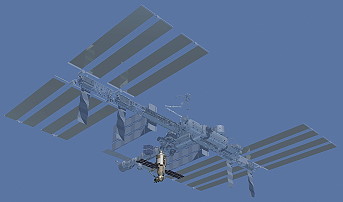
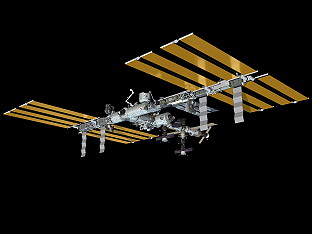
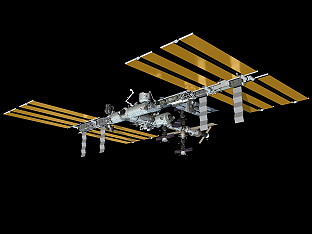
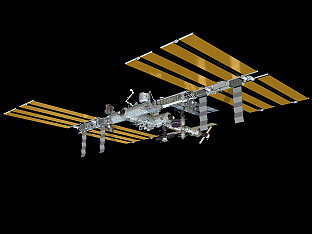
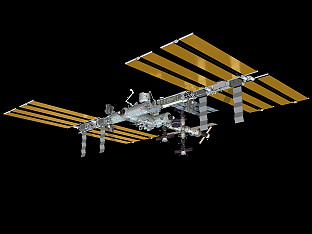
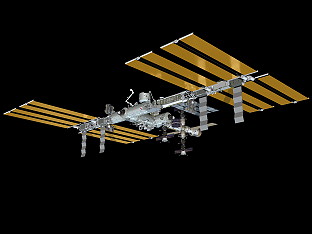
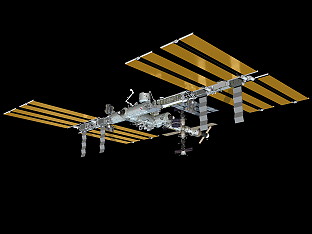
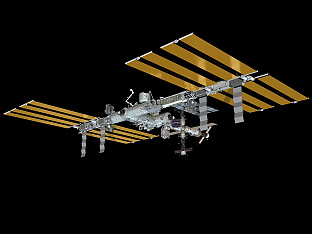
Aufbau der ISS
 |
 |
 |
 |
 |
 |
 |
 |
 |
Fotos
 |
 |
 |
 |
 |
 |
 |
 |
 |
|
mehr Fotos Erdbeobachtung |
|
mehr Fotos von Bord der ISS |
|
| © |  |
Letztes Update am 10. November 2023.  |
 |